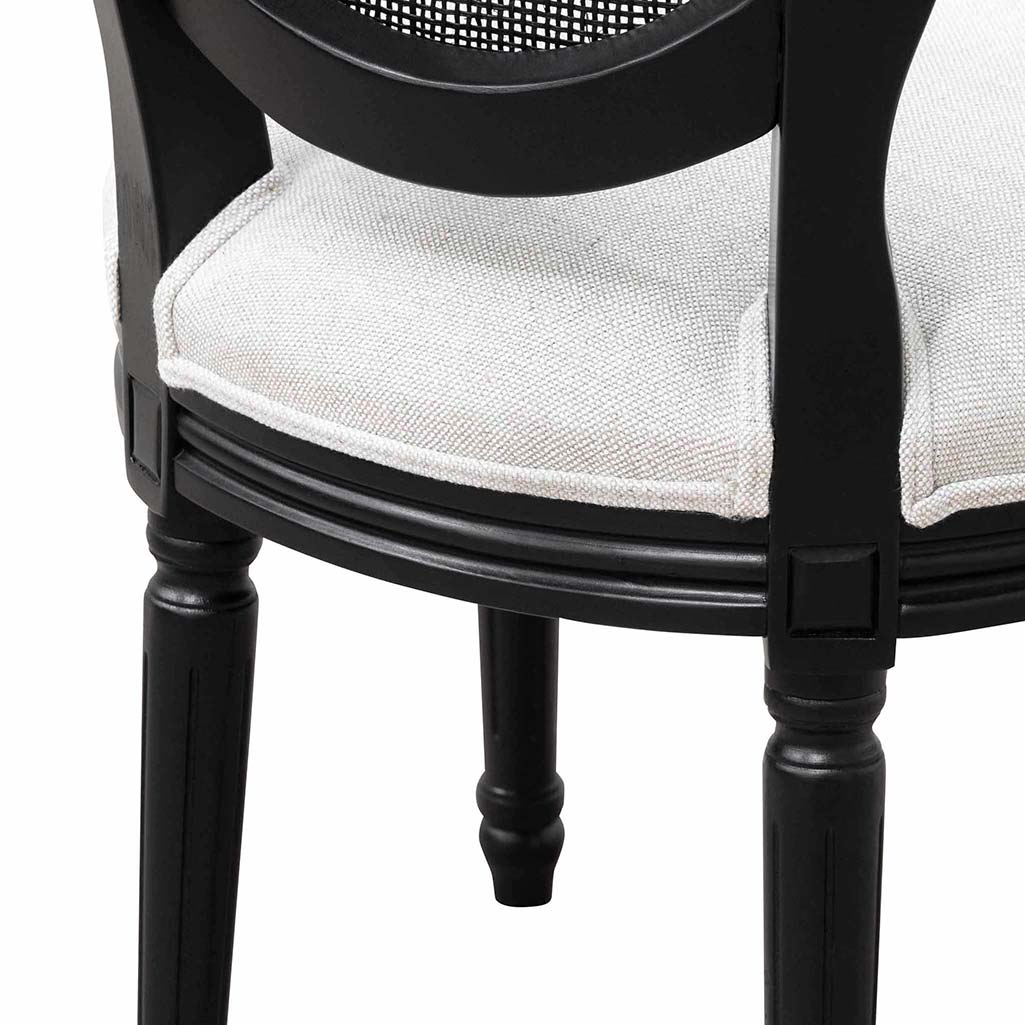




Fabric bar stools bring warmth, softness and comfort to a kitchen island or breakfast bar, but their location also puts them directly in the path of coffee splashes, cooking grease, crumbs, sauces, makeup, and the occasional glass of wine. Cleaning those marks is not as simple as reaching for the strongest stain remover in the cupboard. Upholstery can react differently to water, detergents, solvents, heat, and aggressive scrubbing, and using the wrong treatment can leave a faded patch or cleaning ring that is more noticeable than the original spill.
That matters particularly with today’s wide range of fabric bar stools, which can include smooth woven upholstery, boucle-style textures, chenille-like fabrics, polyester blends, and other performance textiles. Only Dining Chairs’ Australian range, for example, includes conventional fabric as well as textured boucle designs, so there is no single cleaning formula that is appropriate for every stool. The retailer’s own upholstery-care advice emphasises regular vacuuming, prompt blotting, and avoiding abrasive detergents and chemicals.
The safest approach is therefore straightforward: identify the fabric first, remove as much of the spill as possible, use the least aggressive compatible cleaning method, and stop before a small stain becomes permanent upholstery damage.
Check Your Fabric Before Cleaning the Stain
Before applying water or cleaner, check the stool’s care instructions, product information, or upholstery label. Different fabrics can require dramatically different treatment. Some pile fabrics such as velvet and chenille, flat-woven fabrics, soil-resistant upholstery, and washable textiles all have different cleaning requirements. Some permit upholstery shampoo or hot-water extraction, while others may permit dry-cleaning solvents or recommend professional treatment.
This is why a cleaning technique that worked perfectly on your previous bar stool might damage your new one.
Pay particular attention to textured upholstery. For pile fabrics such as velvet and chenille, regular low-suction vacuuming is recommended. Avoid stiff-bristle scrubbing, dry the fabric away from direct heat, and consider professional cleaning when required.
Before using any new upholstery-cleaning product, test a small amount in an inconspicuous location and allow it to dry. Look for changes in colour, texture, pile direction, or finish before treating the visible stain. Pre-testing is important because some treatments can cause colour loss or dye bleeding.
One more rule is worth remembering: a removable-looking cover is not automatically a washable cover. Some upholstery manufacturers specifically warn that covers should not be removed and washed separately even when a zipper is present.
Clean Fabric Bar Stools in the Right Order
When a spill happens during breakfast or while entertaining, speed matters more than scrubbing power. Deal with stains promptly before they have more opportunity to set, and gently blot upholstery spills instead of rubbing them.
For most everyday accidents, follow this sequence:
-
Remove loose material first. Pick up crumbs and gently lift thicker food, sauce, or other residue with a spoon or blunt edge rather than pushing it deeper into the upholstery. Scrape away surface soil before applying cleaning liquid.
-
Blot liquid immediately. Press a clean, absorbent white cloth against the spill. Lift and reposition the cloth repeatedly rather than rubbing sideways. Blotting removes moisture without spreading the affected area or unnecessarily disturbing the fibres.
-
Vacuum surrounding dry soil. Once loose debris is gone, use an upholstery attachment at gentle suction. Regular vacuuming is part of Only Dining Chairs’ recommended upholstery maintenance and helps prevent surface dust from becoming embedded during wet cleaning.
-
Apply only a compatible upholstery treatment. If the care information permits water-based spot cleaning, put a small amount of the recommended product on a clean cloth rather than flooding the seat. Avoid saturating the fabric or filling underneath.
-
Work gradually from the outside toward the centre. Treating the outer edge first helps control the size of the affected area. Use a fresh portion of the cloth as the stain transfers rather than repeatedly pressing removed soil back into the upholstery.
-
Remove cleaning residue and let the area dry naturally. Follow the upholstery product’s directions for rinsing or blotting away residue, then allow the stool to dry thoroughly before sitting on it. Dry in the shade and away from direct heat.
The goal is not to soak the stain until it disappears. Controlled moisture is safer because upholstered seats contain padding beneath the visible fabric, and excessive liquid can reach that filling.

Match the Cleaning Method to the Type of Stain
Different stains behave differently, so once the initial blotting is complete, identify what actually landed on the stool.
Coffee, Tea, Wine, Juice, and Food Spills
For a fresh drink spill, absorb as much liquid as possible before adding anything else. Do not immediately scrub a red-wine splash or coffee mark with a wet sponge; spreading the liquid increases the area you will eventually need to clean. Prompt blotting is consistently recommended for upholstery care.
If the stool’s instructions permit water-based cleaning, use the specified upholstery cleaner sparingly and continue blotting with a clean cloth. Be patient: several light applications are generally more controlled than saturating the fabric in one attempt. Gently remove surface soil or liquid, and avoid overusing soap or detergent with water.
Thick foods such as tomato sauce or chocolate need an extra first step. Lift the excess carefully rather than wiping it across the weave, then treat the remaining discolouration according to the fabric’s cleaning instructions.
Avoid popular internet shortcuts such as automatically applying bleach or a strong laundry stain remover. Stain-removal products can damage unsuitable materials, including wool, linen, silk, leather, and other delicate fabrics. Upholstery has its own cleaning requirements, so the product instructions and furniture care label should take priority.
Grease, Makeup, Ink, Mud, and Dye Transfer
Grease from cooking, butter, oily sauces, and some cosmetics needs extra caution because an oil-based stain may not respond to the same treatment as coffee or juice. Greasy stains can require a different approach from water-based spills. On upholstered furniture, however, a solvent should only be used when the fabric’s instructions specifically permit it; otherwise, an upholstery professional is the safer option.
With makeup and ink, resist the temptation to scrub. Remove what you can by blotting, then check whether the fabric permits an appropriate spot-cleaning agent or solvent. Pale upholstery deserves particular care: dye from blue jeans and other clothing can transfer onto light-coloured fabrics and may become impossible to remove after penetrating the surface.
For dried mud or similar dry soil, deal with the solid material before introducing moisture. Allow mud to dry so that loose material can be scraped or brushed away before further stain treatment; on a bar stool, gentle vacuuming is a practical way to remove the released dry particles without soaking them into the upholstery.
Prevent Cleaning Rings, Fading, and Repeat Stains
A clean stool should not end up with a pale halo around the original mark. Cleaning rings can occur when too much liquid, soap, or spot cleaner remains concentrated in one area. Only Dining Chairs specifically notes that spot cleaning can sometimes cause a ring or fading and says professional cleaning of the entire piece or cushion casing can provide a more uniform result.
Soap residue can create its own problems as well. Excessive soap can leave an apparent watermark on certain easy-clean upholstery, so remove excess cleaning residue carefully. The exact cleaning formula varies by fabric, which is another reason not to assume that more detergent produces a better result.
For longer-lasting fabric bar stools:
-
Vacuum upholstery regularly with an upholstery attachment, using gentle suction on delicate or fabric bar stools.
-
Keep upholstered stools out of unnecessary direct sunlight and strong heat where practical, as this can help preserve upholstery appearance.
-
Do not scrub stains with stiff brushes or abrasive products unless the specific fabric manufacturer says they are safe.
-
Be cautious with aftermarket fabric sprays and protectors. Only Dining Chairs warns against non-commercial fabric fresheners and notes that some added upholstery protection treatments may affect warranty coverage.
-
Escalate persistent stains rather than repeatedly applying stronger chemicals. Seek professional help for persistent marks.
For frequently used seating, occasional professional cleaning can also help address accumulated soil that spot cleaning does not remove. As a benchmark, Only Dining Chairs’ broader upholstered-chair care guide recommends professional cleaning at least annually and every six months for chairs used daily.
Frequently Asked Questions
Can I clean fabric bar stools with dishwashing liquid?
Not automatically. Some specialty performance fabrics permit mild soap, but upholstery care labels for other fabrics specifically warn against dishwashing and laundry detergents. Follow the stool’s care instructions rather than applying one household cleaner to every upholstery type.
Should I scrub a fabric stool to remove a stubborn stain?
No. Start by blotting rather than rubbing. Stiff or aggressive scrubbing can disturb upholstery fibres or pile, and both Only Dining Chairs and upholstery-care guidance advise gentler treatment.
Can I use a steam cleaner on fabric bar stools?
Only when the fabric’s cleaning instructions permit the relevant extraction or steam-cleaning method. Some upholstery supports hot-water extraction, while other fabrics have different requirements. Steam cleaning should be a last resort for certain performance fabrics and is best handled professionally.
How do I clean boucle fabric bar stools?
Start with gentle vacuuming and prompt blotting. Because “boucle” describes a textured looped appearance rather than one universal fibre composition, check the actual upholstery specification before using water or chemicals. Some modern boucle-look performance fabrics are easy-clean, while other textured upholstery needs more cautious treatment.
When should I call a professional upholstery cleaner?
Call a professional when the care instructions recommend professional cleaning, when a stain remains after safe spot treatment, when the fabric requires specialised solvent or extraction cleaning, or when spot cleaning is producing rings, fading, or texture changes.