



If you've got timber floors and stools pulled up to the kitchen bench, you already know the sound. That quick scrape as someone shuffles back after breakfast. On its own it's nothing. Multiply it by a family of four, three meals a day, plus every time someone drags a stool over to reach a top shelf, and you're looking at hundreds of small drags across the same patch of floor every week.
Timber flooring is one of the bigger investments in an Australian home, and the kitchen island is usually where it copes with the most traffic. Spotted gum, blackbutt, Tasmanian oak, engineered boards, bamboo. They all mark if you give them enough reason to. The good news is that scratched floors under bar stools are almost always preventable, and the fixes are cheap compared to a re-sand and re-coat. Here's how to actually stop it happening.
Why bar stools scratch timber more than other furniture
A lounge chair sits in one spot for years. A bar stool gets moved constantly, and that difference is the whole problem. Three things tend to be at play.
It's usually grit, not the stool
Most scratches don't come from the timber feet themselves. They come from what gets trapped underneath them. Fine grit walks in on shoes and bare feet, settles around the base of the island, and then a hard stool foot presses it into the finish and drags it. You've essentially turned a grain of sand into sandpaper. This is why a kitchen with a back door to the garden or a beach house tends to scratch faster than a first-floor apartment.
The feet are harder than they look
Plenty of wooden stools ship with small plastic domes or exposed screw heads on the base, and some have bare timber that's been sealed but not softened. Against a matte oiled floor or a softer species, those feet leave fine white lines. Metal footrests and cross-bars are another culprit when a stool tips back on two legs.
They move every single day
A dining chair might get pushed in twice a day. A bench stool at a busy island gets nudged, spun, and repositioned far more than that. Frequency is what turns a harmless bit of contact into a visible arc of scratches over a season.
Match the fix to your floor first
Before buying anything, look at what you're protecting. A hard, satin polyurethane finish over a dense species like spotted gum is forgiving. A matte, oiled finish over Tasmanian oak or a softer engineered board shows every mark and needs more care.
Oiled and matte floors scratch more visibly because there's no thick sacrificial coating sitting on top. Softer timbers dent as well as scratch, so a heavier person on a stool with tiny hard feet can leave a mark just from the pressure. If you're not sure what finish you have, a quick test helps: a satin or gloss floor throws a clear reflection, while an oiled floor looks flatter and feels slightly more like raw timber. The flatter it looks, the more careful you need to be.
The protectors that actually work
Not all floor protectors are equal, and the wrong one can be worse than nothing. A cheap adhesive pad that peels off and leaves exposed adhesive will collect grit and grind it in. Here's what holds up under stools specifically.
-
Self-adhesive felt pads. The default choice for most homes and the cheapest. Go for thick industrial felt in the largest diameter that fits the foot, not the thin dots from the two-dollar bin. Bigger pads spread the load and stay put longer.
-
Nail-in or screw-in felt glides. Better for stools that get moved a lot, because they don't rely on adhesive that eventually gives up. Worth the extra effort on your two or three most-used stools.
-
Silicone stool caps (chair socks). Stretchy caps that pull over the whole foot like a sock. Excellent grip on the timber, they never fall off mid-slide, and they're ideal if kids like to tip stools onto two legs. The trade-off is that they can look a little casual up close, so they suit relaxed kitchens more than formal ones.
-
Rubber or silicone floor protectors, not standard rubber. Some cheap rubber compounds leave dark scuff marks or even react with certain floor finishes over time. If you go rubber, choose a non-marking silicone version made for timber.
For a runner of stools along a long island, a low-pile rug or a purpose-made floor mat under the whole row is another option. It removes the stool-to-timber contact entirely, though it changes the look and needs to be a mat that won't itself trap grit against the floor.

Fit and maintain them so they keep doing their job
A protector only works while it's clean, attached, and unworn. This is the step most people skip, and it's why floors still get scratched with felt pads fitted.
Wipe the foot with metho or a bit of rubbing alcohol before sticking on an adhesive pad, because dust stops it bonding. Press firmly and leave the stool untouched for an hour so the glue sets properly. After that, make it a habit to tip your stools over once a month and run a finger across each pad. You're checking for two things: pads starting to lift, and grit that's worked its way into the felt. Embedded grit is the sneaky one. A felt pad can look fine while carrying a hard particle that scratches with every move. Peel and replace anything that's flattened, dirty, or curling.
One more habit that costs nothing: lift stools instead of dragging them when you can, and sweep or vacuum around the island regularly so there's less grit to trap in the first place. The cleaner the floor, the less work the pads have to do.
Choose stools that are kinder to the floor from the start
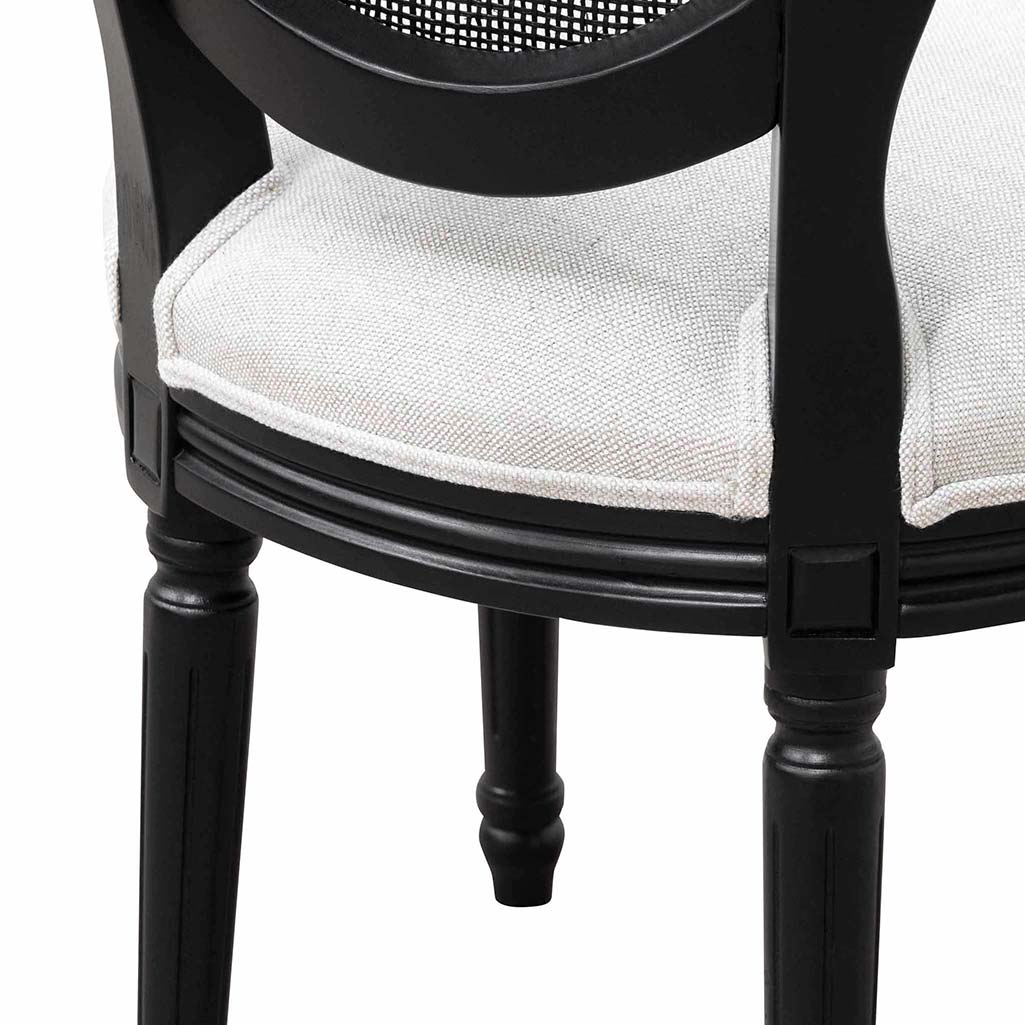
If you're still shopping, you can avoid most of this by picking the right stool. The base matters more than the seat here. When you're looking at wooden bar stools, turn the photos to the feet before you fall for the fabric.
Flat timber feet with a bit of surface area spread the weight and take a pad neatly. Tiny point feet or exposed hardware concentrate pressure and are awkward to protect. A swivel stool with a fixed base can be a smart move at a busy island, because people spin instead of dragging the whole stool sideways every time they get up. Weight is worth a thought too: a very heavy stool on a soft floor pushes harder, so pair it with generous pads rather than the minimum.
The short version
Scratched timber under bar stools is a grit-and-movement problem, not bad luck. Keep the floor clean, fit proper felt or silicone protectors, and check them every month so worn or dirty ones get replaced before they do damage. Match the protector to your floor, going gentler on oiled and matte finishes and softer species. And if you're buying, let the feet decide as much as the style does.
Do that and your floor should still look sharp long after the stools have earned their keep. A re-coat runs into the hundreds; a bag of felt pads and ten minutes a month does not.
FAQs
Do felt pads or silicone caps protect timber floors better?
Felt pads glide more smoothly and look tidier, so they suit most kitchens. Silicone caps grip better and never fall off, which makes them the safer pick if stools get tipped or you have kids. Many people use felt on formal stools and silicone on the everyday ones.
How often should I replace the pads under my stools?
Check them monthly and replace as needed. On heavily used island stools that's often every few months, because the felt flattens and collects grit. Lightly used stools can go much longer.
Will rubber feet or protectors damage my timber floor?
Some cheaper rubber compounds leave dark scuff marks or react with certain finishes. If you want the grip of rubber, use a non-marking silicone protector made specifically for timber floors rather than generic rubber.
My floor is already scratched. Can I fix it before adding protectors?
Light surface scratches in the finish can often be buffed or touched up with a matching timber marker or a floor-specific repair kit. Deeper scratches that reach the timber usually need a professional. Fit protectors afterwards so the repair lasts.
Are heavier wooden bar stools worse for timber floors?
They put more pressure on each foot, so on soft or oiled floors they can mark more easily. A heavier stool is fine as long as you fit larger pads to spread the load and keep the floor clean underneath.