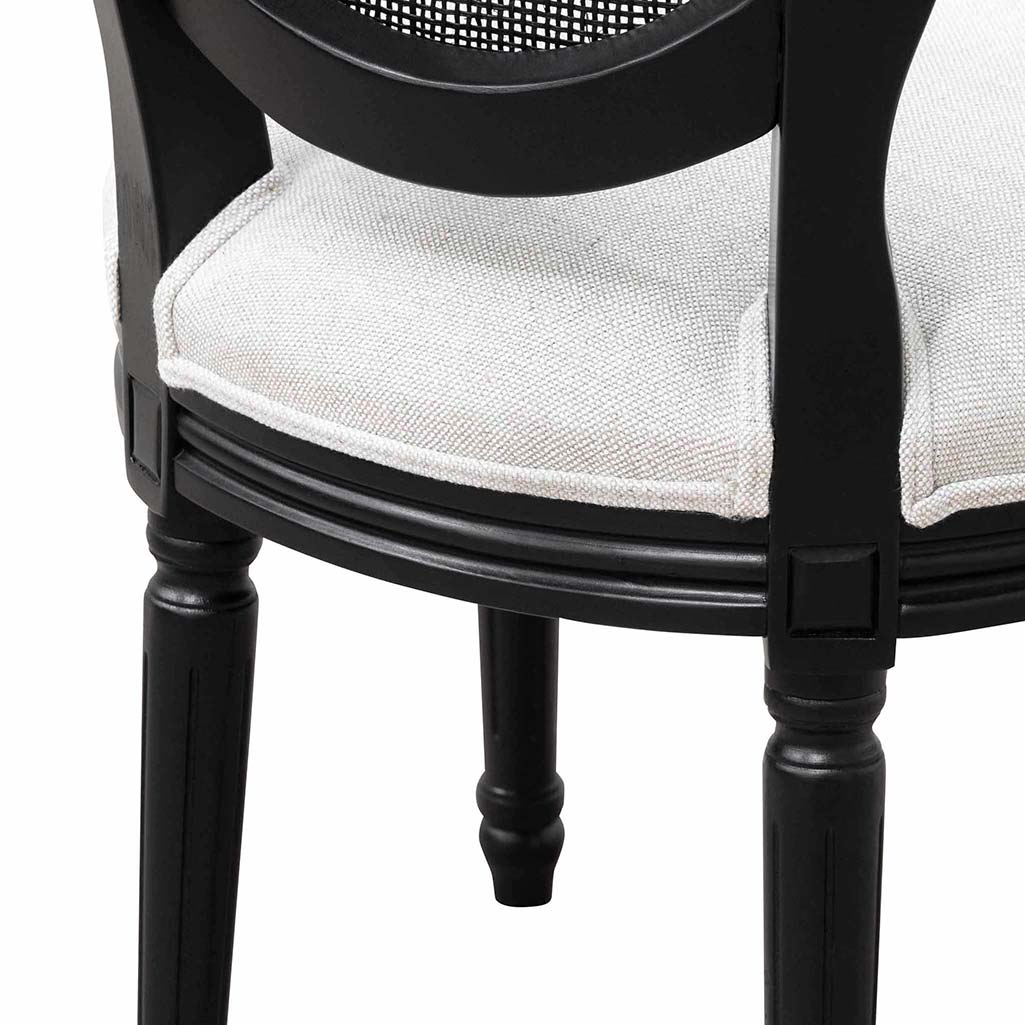




Rattan dining chairs can make a dining space feel lighter, warmer and more relaxed, but choosing them on appearance alone can be an expensive mistake. The word “rattan” is used across chairs with very different constructions: some use genuine natural rattan, some use synthetic PE rattan, and others combine a woven rattan back with timber, steel, fabric or upholstered seating. Those differences affect where the chair can be used, how comfortable it feels, how much maintenance it needs and how well it will age.
This matters particularly in Australia. Strong sunlight, outdoor entertaining, humid coastal conditions and sudden rain can be hard on furniture that was designed primarily for indoor use. Only Dining Chairs itself recommends protecting outdoor furniture from direct UV exposure where possible and notes that sun and environmental factors can deteriorate wicker and other furniture finishes over time.
So, are rattan dining chairs worth buying? For many homes, absolutely—but the right answer depends on what type of rattan you choose and where the chairs will live.
Rattan, Cane and Wicker Are Not Quite the Same Thing
Before comparing the pros and cons, it helps to understand the terminology.
Rattan is a material. Natural rattan comes from climbing palms and can be used for furniture frames and woven components. Cane generally refers to material taken from the outer part of rattan and is commonly used in woven chair backs and seats. Wicker, on the other hand, describes a weaving method rather than a particular material. Wicker furniture can therefore be made from natural rattan, cane or synthetic fibres.
There is also synthetic rattan, often sold as PE rattan, poly rattan or resin wicker. It is designed to reproduce the woven appearance of natural rattan while providing greater resistance to moisture and outdoor conditions. Quality outdoor versions are commonly woven around steel or aluminium frames.
That distinction should be the starting point for every purchase. A chair that looks perfect for your patio may actually contain natural fibres better suited to the dining room.
The Main Advantages of Rattan Dining Chairs
Rattan has remained popular because it solves several design and practical problems at once. It introduces noticeable texture without creating the visual bulk of a heavily upholstered dining chair.
The main benefits include:
-
A lighter visual appearance. Open cane backs and woven surfaces allow more light and background colour to remain visible, which can help smaller dining rooms feel less crowded.
-
Versatile styling. Natural rattan sits comfortably beside timber, white finishes, stone, linen and black metal, making it suitable for coastal, Hamptons, contemporary and modern-organic interiors. The current Only Dining Chairs collection spans natural, black, white and grey finishes as well as timber-, metal- and upholstered combinations.
-
Easy movement. Many natural rattan and cane designs are relatively light, making them convenient when chairs are frequently moved for family meals, entertaining or cleaning.
-
Good material flexibility. Rattan can be bent and woven into curved backs, rounded seats and decorative patterns that are difficult to achieve with rigid materials alone.
-
Potential sustainability advantages. Natural rattan is a renewable non-timber forest product, and because it grows by climbing existing forest vegetation, responsible rattan production can support standing forests rather than requiring trees to be felled. Sustainability still depends on how and where it is harvested, so responsible sourcing matters.
Rattan Can Be More Comfortable Than Its Appearance Suggests
A woven chair may look less comfortable than a thick upholstered one, but comfort depends on the entire chair rather than the weave alone.
A gently curved woven back can provide useful support while allowing air to circulate around the sitter. For long dinners, designs that combine rattan with a padded seat can offer an appealing middle ground: you retain the natural texture without sitting directly on a firm woven surface for several hours.
The Only Dining Chairs range demonstrates this hybrid approach. The Garner chair, for example, combines a wooden frame and rattan backrest with a fabric seat, while the Clovelly uses a PE-rattan back with high-resilience foam and a PU leather seat.
For households where the dining table doubles as a homework desk, work-from-home area or weekend entertaining space, that combination can be more practical than choosing a chair purely for its woven aesthetic.
The Disadvantages to Consider Before Buying
The biggest disadvantage of rattan is that the term covers products with dramatically different levels of weather resistance.
Natural rattan should not automatically be treated as outdoor furniture. Prolonged moisture can weaken natural fibres and encourage mould, while extended direct sunlight can dry and discolour the material. Synthetic PE rattan is generally a better choice for genuine outdoor dining because it is specifically manufactured to cope with moisture and UV exposure more effectively.
There are other practical compromises as well. Food crumbs can lodge in intricate woven sections. Individual strands can eventually loosen or become damaged. A completely woven seat may also feel firm during long meals, meaning a cushion may be desirable.
Quality varies considerably too. A good-looking product photo does not tell you how strong the frame is, whether the weave is natural or synthetic, or how much weight the chair is designed to support. The Only Dining Chairs collection includes different constructions and capacities: the natural-rattan Darwin uses a steel frame and has a listed 100 kg capacity, Garner has a wooden frame and 120 kg capacity, while the PE-rattan-backed Clovelly is listed at 150 kg.

Australian Weather Makes Material Choice Especially Important
For an indoor dining room, natural rattan can be an excellent choice. For an exposed deck, courtyard or alfresco area, the decision is different.
Outdoor-oriented designs frequently use UV-resistant PE wicker over powder-coated steel or aluminium. For example, current outdoor sets in the Only Dining Chairs range use combinations such as UV-resistant PE wicker with powder-coated steel or aluminium frames, and some include protective covers.
Even outdoor-rated materials benefit from protection. Only Dining Chairs recommends avoiding unnecessary direct UV exposure and using furniture covers to improve longevity. Its care guidance also notes that fading and sun or UV damage to wicker may fall outside warranty coverage, making the product's care conditions worth reading before placing it permanently in full sun.
What to Check Before Buying Rattan Dining Chairs
The best rattan dining chair is not necessarily the most expensive or the most decorative one. It is the chair whose construction matches your table, room and daily use.
Before ordering, check:
-
Natural or synthetic material: Choose natural rattan primarily for indoor or well-protected environments; look for outdoor-suitable PE wicker or synthetic rattan when significant weather exposure is expected.
-
Frame construction: Look beyond the weave. Timber creates a warmer indoor appearance, while steel or aluminium frames can provide additional rigidity and are frequently used underneath synthetic outdoor wicker.
-
Seat and arm height: Measure your existing table rather than assuming every dining chair will fit. Armrests are particularly important because a comfortable armchair can become frustrating if its arms hit the table apron and prevent the chair from tucking underneath. The Only Dining Chairs collection itself offers several seat- and arm-height ranges, so dimensions vary significantly between models.
-
Chair width and available floor space: Wide rattan armchairs can be excellent for leisurely dining but may reduce the number of people you can seat around a compact table.
-
Weight capacity: Check the manufacturer's stated limit rather than judging strength visually. Current rattan-related models on the site show capacities ranging from 100 kg to 150 kg among the examples reviewed.
-
Assembly and floor protection: Some chairs arrive fully assembled, while others require assembly. Floor protectors or anti-slip feet are useful on timber, tile and other hard flooring.
Think about the household as well. A delicate natural cane chair may be perfect in a quiet formal dining room but less suitable for a busy kitchen where children regularly spill drinks and drag chairs around. In that setting, a stable frame, padded seat and easier-clean synthetic woven surface may make more sense.
FAQs About Rattan Dining Chairs
Are rattan dining chairs durable?
Yes, well-made rattan dining chairs can be durable, but longevity depends on the weave, frame and environment. Natural rattan performs best indoors, while quality synthetic rattan is generally better suited to outdoor conditions.
Can natural rattan dining chairs be used outside?
They are better kept indoors or in highly protected areas. Extended exposure to moisture and direct sun can damage natural fibres. For regular outdoor use, choose a chair specifically rated for outdoors.
How do you clean natural rattan dining chairs?
Remove dust regularly and use a barely damp cloth when necessary, then dry the surface promptly. Avoid soaking natural rattan because moisture can penetrate the fibres.
Are rattan dining chairs comfortable for long dinners?
They can be, especially with curved back support and a padded seat. Completely woven seats tend to feel firmer, so cushions or upholstered-rattan combinations are worth considering for extended use.
What is better for outdoor dining: natural or synthetic rattan?
Synthetic PE rattan is generally the more practical outdoor option because it is designed to resist moisture and, when properly specified, UV exposure. Natural rattan is the stronger choice when authenticity, texture and an indoor natural-material look are the priorities.
Are Rattan Dining Chairs Worth Buying?
Rattan dining chairs are worth considering because they offer something many dining-chair materials struggle to combine: visual warmth, texture and an airy appearance without making the dining setting feel overly formal or heavy. They can work just as naturally with a coastal timber table as they can with black metal, stone or contemporary furniture.