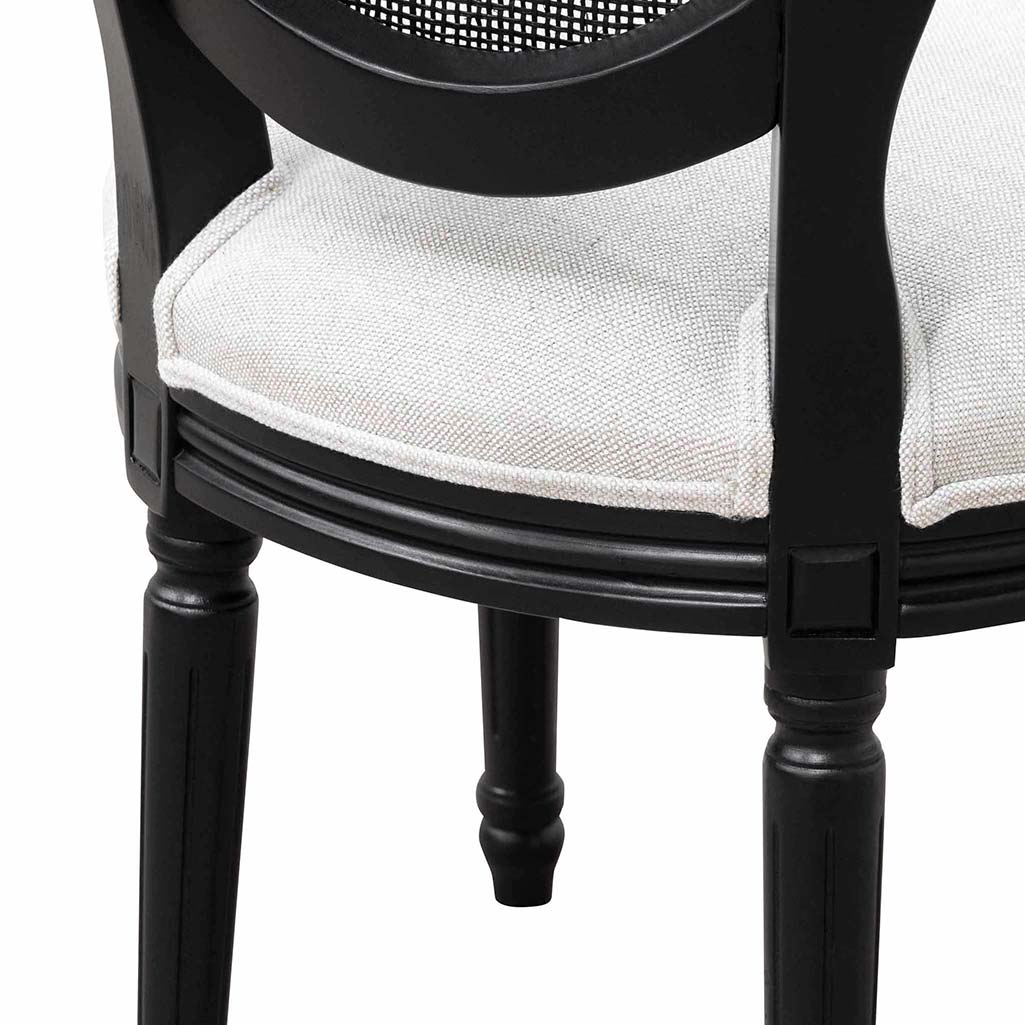




The bar stool has the roughest job of any seat in the house, and most people don't realise it until they've already bought the wrong ones.
Think about where it lives. Pulled up to the kitchen island or the breakfast bar, right in the splash zone, where the morning coffee gets knocked, toast crumbs land, the kids do homework, and someone always leans back a bit too far. A dining chair works a couple of times a day. A bar stool is in use from the first cup of coffee to the last glass of wine.
So when you're weighing up velvet against leather, you're not really choosing a look. You're choosing what has to survive breakfast, spills, sticky little hands and a long Australian summer. Both materials can be brilliant. They just fail in completely different ways, and knowing how each one behaves under real daily pressure is what saves you from that sinking feeling six months in.
Why a bar stool is a harder test than a normal chair
Height is the first thing that changes everything. Because a bar stool sits up at counter level, it's usually the closest seat to whatever is happening on the bench. Chopping, frying, pouring, splashing. The seat catches the fallout that a dining chair, tucked a metre away at a table, never sees.
Then there's how often it moves. Bar stools get dragged out, spun around, climbed onto and shoved back dozens of times a day. That constant handling is exactly where cheaper materials start to show their age, long before the frame ever gives out. So the material question isn't really "which looks nicer in the showroom." It's "which one still looks decent after two years of being lived on."
How velvet holds up day to day
Velvet has a reputation as the delicate, precious option, and that reputation is about ten years out of date.
"Velvet" now usually means performance velvet
The velvet on most modern bar stools isn't the silk your grandmother worried about. It's a woven polyester pile, and a lot of it comes treated with a stain guard baked into the fibres. That means a splash of juice or a smear of pasta sauce tends to sit on top of the pile for a moment instead of soaking straight in, which gives you time to blot it before it becomes a permanent guest.
Where velvet genuinely wins is comfort and warmth. It's soft the instant you sit down, it doesn't go icy in a Melbourne winter, and it gives a room a depth of colour that leather can't match. Deep greens, mustards, dusty pinks and navy read far richer in a pile fabric than they ever do on a flat surface.
Now the honest downsides. Velvet has a pile, and pile crushes. Sit in the same spot every day and you'll see a slightly flattened patch where the fibres have laid down. It's not damage, and a quick brush usually lifts it, but it is something you'll notice. Velvet also holds onto crumbs and pet hair more than a smooth surface does, so if you own a golden retriever that treats the kitchen as home base, you'll be vacuuming the seats now and then. And plain, untreated velvet can water mark, so a wet cloth used carelessly can leave a ring.
How leather handles the same daily grind
Leather is the material people reach for when they picture a low fuss kitchen, and for good reason. A spill on leather is a five second job with a damp cloth. No soaking in, no blotting, no worrying about the pile. For a household where food is flying around the island every night, that wipe clean surface is hard to beat.
Good leather also ages in a way fabric simply can't. It softens, it develops a bit of character where you sit, and a genuine hide often looks better after a few years than it did on day one.
The genuine versus bonded leather trap
Here's the part that catches people out. Not all "leather" is leather.
Bonded and reconstituted leather is basically leather scraps ground up and glued to a backing, then given a coating. It's cheap, it looks convincing in photos, and on a seat that gets daily use it tends to crack and peel within a couple of years. Those flaking patches you've seen on old office chairs? That's almost always bonded leather giving up. If you're spending money on leather stools for a busy kitchen, it's worth knowing whether you're buying a full hide, a top grain, or a bonded product, because the cheapest option is the one most likely to disappoint you fastest.
The other thing to accept with leather is temperature. It can feel cold and hard when you first sit on a winter morning, and it can get warm and slightly sticky against bare legs on a hot day. Which brings us to the factor a lot of buyers overlook.
The Australian factor most people forget
Whichever material you lean towards, the local climate deserves a seat at the table.
Leather and the Australian sun have a complicated relationship. If your breakfast bar sits under a big north or west facing window, direct sun will slowly fade and dry out a hide over the years, and dried out leather is the leather that cracks. It's completely manageable, but it does mean leather near strong sun needs the occasional conditioning to stay supple.
Velvet has its own climate quirks worth thinking through:
-
In a cool southern climate, velvet's warmth is a genuine bonus. It never gives you that cold shock on a July morning.
-
In a hot, humid climate up north, good airflow matters, since any thick upholstery holds warmth and moisture more than a smooth surface does.
-
Velvet doesn't fade as dramatically as leather in sunlight, but bright colours in a very sunny spot will still soften over a long time.
None of this rules either material out. It just means the "better" material partly depends on which window your stools are parked next to and how brutal your summers get.

Matching the stool to how you actually live
The right answer really does change from house to house. A few honest scenarios:
-
Young family, food everywhere: Leather usually wins for its wipe and go surface. If you love velvet, insist on a performance grade fabric so spills don't become stains.
-
Couple or adults who linger over dinner and wine: Velvet's comfort and warmth make those long evenings at the bench more pleasant, and there's less mess to worry about.
-
Pet household: Smooth leather sheds hair with a single wipe. Velvet will need regular brushing if your dog or cat has claimed the kitchen.
-
Entertainers who care about the room's look: Velvet delivers that richer, more designed feel, especially in a bold colour that becomes a talking point.
-
Set and forget, minimal upkeep: Genuine leather takes the least day to day fuss, as long as you keep it out of harsh direct sun.
What upkeep actually looks like
Neither material is truly maintenance free, but the effort lands in different places.
Velvet asks for a light routine. A regular vacuum with a soft brush attachment keeps crumbs and dust out of the pile, a quick brush revives any flattened spots, and spills get blotted quickly rather than rubbed. Treated performance velvet forgives the occasional accident far more than plain velvet does.
Leather asks for less frequent but slightly more deliberate care. Wipe spills as they happen, keep it out of blazing sun where you can, and give genuine leather a conditioning treatment once or twice a year so it stays soft instead of drying into cracks. Do that, and it will outlast most fabrics comfortably.
So which is better?
There's no universal winner, and anyone who tells you otherwise is selling something.
Leather is the safer pick for a chaotic, spill prone kitchen and for anyone who wants to wipe the seat clean and move on, provided you buy a genuine hide and keep it out of harsh sun. Velvet is the better pick for comfort, warmth and character, and modern performance velvet closes most of the durability gap that used to make people nervous.
If I had to boil it down: choose leather when the kitchen is a battlefield and low effort is the priority, and choose velvet when comfort, colour and the feel of the room matter more than being able to hose it down. Both will serve you well for years if you buy quality and match the material to your actual life rather than a showroom fantasy.
As homes keep blending the kitchen and living space into one room, the bar stool is only becoming more of a design piece and less of an afterthought. That shift is exactly why performance fabrics like treated velvet have grown so popular. They finally let you have the soft, styled look without babysitting it. Whichever way you lean, the smartest move is to picture your stools after a normal Tuesday night, not a staged photo, and buy for that.
FAQs
Is velvet or leather easier to clean on a bar stool?
Leather is easier for everyday spills since you can wipe it clean in seconds. Velvet needs blotting and the occasional vacuum, though performance velvet with a stain guard handles accidents far better than plain velvet.
Does leather get too hot or sticky in Australian summers?
It can feel warm and slightly sticky against bare skin on very hot days, and it warms up in direct sun. Keeping stools out of harsh window sun helps, and the effect is usually minor indoors with airflow or air conditioning.
Will velvet bar stools flatten or wear out where you sit?
The pile can flatten in your usual spot, but this is normal and usually lifts with a quick brush. It isn't damaged, and good quality velvet keeps its look for years.
Is bonded leather worth buying for daily use?
Generally no. Bonded leather tends to crack and peel within a couple of years of regular use. For a busy kitchen, genuine or top grain leather is a much better long term buy.
Which lasts longer, velvet or leather?
Genuine leather typically lasts longest and often looks better with age. Quality performance velvet is more durable than people expect and will hold up for many years, but cheap velvet or bonded leather are the two options most likely to wear out early.