



Choosing dining chairs sounds simple until you start comparing materials. A solid timber chair may look timeless, feel sturdy, and promise easy cleanup. An upholstered chair can feel noticeably softer and make a dining room more inviting. Both can be excellent choices, but they suit very different households.
That difference matters because dining chairs are not decorative pieces you occasionally use. They are pulled out, pushed back, exposed to food and drinks, moved around the room, and sometimes used for homework, working from home, entertaining, or long weekend lunches. The best chair is therefore not simply the one that looks best in a product photo. It is the one that matches how your dining area is actually used.
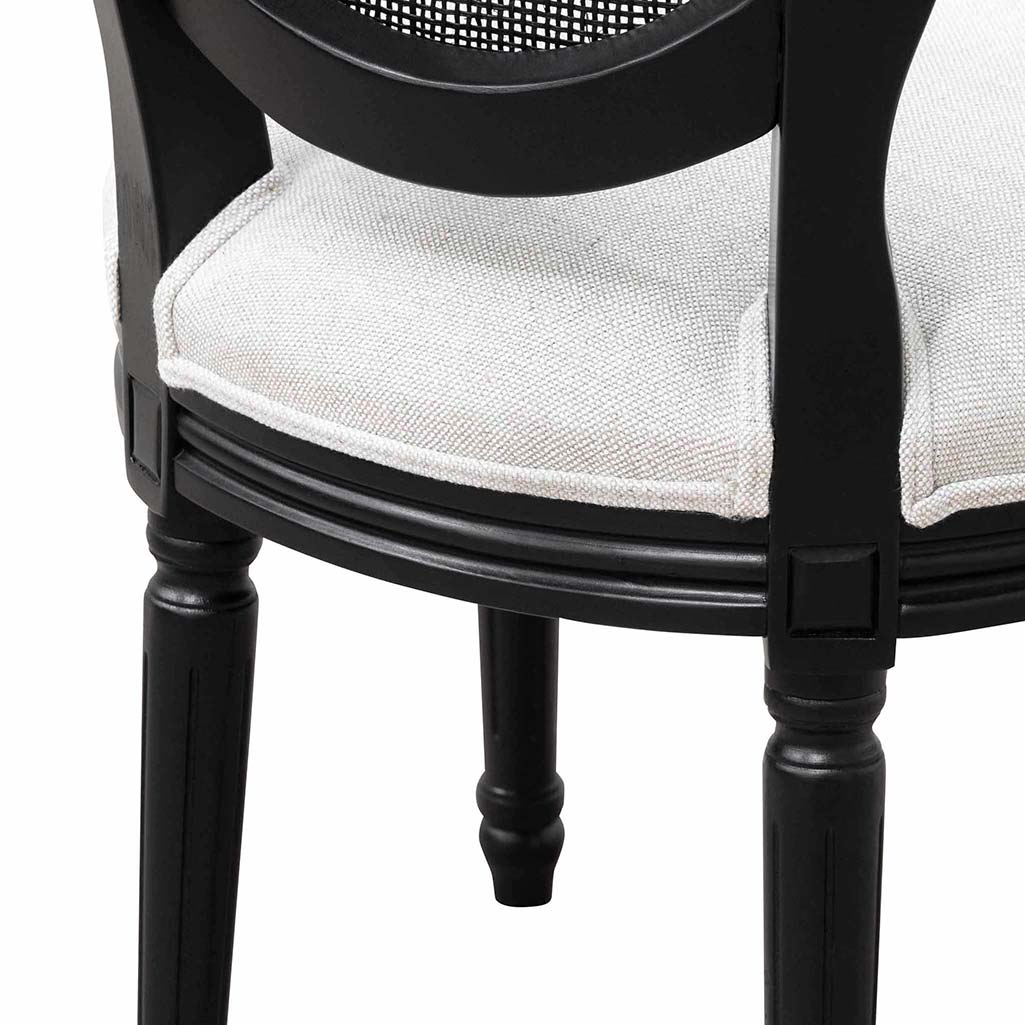
There is also more overlap between the two categories than the names suggest. A wooden dining chair does not necessarily mean a completely hard timber seat, while an upholstered chair may still use a substantial wooden frame. The current Only Dining Chairs wooden collection, for example, includes exposed timber designs alongside models combining wood with fabric, rattan, and upholstered or PU-leather seating.
So, wooden vs upholstered dining chairs: which is better? For most buyers, the answer comes down to five things—comfort, maintenance, durability, available space, and lifestyle.
Comfort Comes Down to More Than Cushioning
Upholstery has an obvious advantage when you first sit down, but padding alone should not decide your purchase. Chair height, seat depth, back shape, frame proportions, and the relationship between the chair and dining table can have just as much influence on everyday comfort.
For Australian dining settings, a seat height of roughly 45–48 cm is common, while around 25–30 cm between the seat and tabletop generally provides comfortable legroom. Armchairs also need enough clearance to slide beneath the tabletop or table apron.
That means an attractive, deeply cushioned chair can still be uncomfortable if its seat is too high for your table. Equally, a well-shaped wooden chair with a supportive curved back can be more pleasant than a poorly proportioned upholstered model.
Upholstered chairs are better for longer, more relaxed dining
The main advantage of upholstery is simple: it puts padding between your body and the chair structure. Upholstered models commonly use cushioned seats, cushioned backs, or both, which makes them especially appealing for people who regularly spend long periods around the dining table. Only Dining Chairs positions its upholstered collection around this combination of padded comfort, multiple fabrics, and a wide range of styles.
Think about a household where dinner often turns into coffee, dessert, and another hour of conversation. In that environment, a supportive upholstered back and padded seat can make a meaningful difference.
Upholstery can also create a softer visual atmosphere. Velvet, boucle, textured fabric, leather-look materials, and neutral woven finishes introduce colour and texture without requiring additional decor. Upholstered chairs are available across contemporary, French Provincial, Mid-Century, and other design styles, so padded seating no longer has to look traditional or bulky.
Wooden chairs are better when practicality matters most
A properly designed wooden chair does not have to feel uncomfortable. Curved backrests, shaped seats, woven sections, and well-considered proportions can provide good support without thick cushioning. Bentwood chairs, for example, can be relatively lightweight and easy to move, while slat, Windsor, cross-back, and other timber designs provide very different levels of back coverage and visual weight.
Wooden seating becomes especially attractive when meals are shorter or the dining space works hard throughout the day. A kitchen table used for breakfast, children’s snacks, craft activities, and casual dinners often benefits more from a chair that is simple to wipe down than from extra padding.
You can also add a removable seat pad when extra softness is occasionally needed, rather than committing the entire chair to permanent upholstery.
Durability, Maintenance and Australian Conditions
This is where the distinction between the two options becomes much clearer.
For a busy household, an exposed timber chair generally has fewer surfaces that can absorb spills or collect dust and food particles. Timber furniture still needs care: spills should be removed promptly, harsh chemicals should be avoided, and prolonged exposure to strong sunlight, heat, or major humidity fluctuations can affect the timber and its finish.
Routine cleaning, however, can be relatively straightforward. Timber furniture typically needs regular dust removal and suitable gentle cleaning rather than the vacuuming and stain-management routine associated with fabric. Regular dusting, prompt spill cleanup, and protection from sunlight and heat are recommended for timber furniture.
Upholstered dining chairs require more attention because the covering itself becomes another component to maintain. Fabric-care guidance recommends regular vacuuming, quickly blotting spills rather than rubbing them, protecting upholstery from strong sunlight, and using cleaning products suitable for the specific fabric. Some upholstery may eventually require professional cleaning.
That does not mean upholstered chairs are fragile. Modern furniture fabrics can include synthetic fibres selected for improved wear, stain resistance, fading resistance, and easier cleaning. Performance therefore varies considerably between a delicate natural fabric and a commercial-grade or easy-clean textile.
For Australian households, the practical choice usually looks like this:
-
Children eating at the table every day: exposed timber or an easy-clean upholstered surface usually makes life simpler.
-
Pets that shed or climb furniture: timber avoids fabric collecting hair and reduces the risk of claws catching woven upholstery; pet claws and soiling can damage fabric.
-
A formal dining room used mainly for entertaining: upholstery is easier to justify because the chairs experience fewer everyday spills.
-
A bright dining area beside large windows: protect either option from prolonged direct sunlight because both timber finishes and upholstery can fade or deteriorate with UV exposure.
The key lesson is that durability is not simply “wood is strong” or “fabric wears out.” Construction quality, joinery, finish, fabric specification, foam quality, and how the chair is maintained all matter. A well-built upholstered chair can serve a household for years, while a poorly constructed wooden chair can loosen or fail regardless of the material.

Style, Space and Long-Term Value
Material changes not only how a dining chair feels but also how much visual space it occupies.
Exposed wooden frames—particularly open-back, slatted, cross-back, bentwood, and Scandinavian-inspired designs—can make a compact dining area feel lighter because more of the room remains visible through and around the chair. Simpler, less bulky chair profiles are often better for small dining spaces.
That makes wooden chairs particularly useful in apartments, breakfast areas, and open-plan Australian homes where the dining area shares space with the kitchen or living room.
Upholstered chairs tend to have more visual presence. A fully padded back can help define a larger dining zone and make an otherwise minimal room feel more finished. They are particularly effective when the dining table is the centrepiece of the room rather than something that needs to visually disappear.
Neither material has exclusive ownership of a particular decorating style. The wooden chair range at Only Dining Chairs spans Scandinavian, traditional, oak-inspired, walnut and contemporary looks, while its upholstered range includes modern designs, boucle, velvet, neutrals, dark colours, and more decorative options.
Long-term value is also more complicated than the initial purchase price.
A simple timber chair can offer strong value because there is no upholstery layer or seat foam to maintain. Minor surface wear can sometimes become part of the character of timber, depending on its finish and construction. Upholstered seating brings additional comfort and design flexibility but may eventually require fabric cleaning, repair, or recovering as the covering ages.
One particularly practical solution is the hybrid dining chair: a visible wooden structure paired with a padded or upholstered seat. Only Dining Chairs’ wooden collection already includes models combining these materials, illustrating why the decision does not need to be strictly one or the other.
A hybrid gives you much of the warmth and structural appearance of timber while placing cushioning exactly where it delivers the greatest comfort.
How to Choose the Right Chair for Your Household
Instead of asking which material is universally best, consider what happens around your table on an ordinary Tuesday—not just when guests arrive.
Use these questions as a practical checklist:
-
How long do you normally sit at the table? Choose upholstery when long dinners and entertaining are common; consider timber for shorter, highly active everyday use.
-
How often are spills likely? Timber usually reduces cleaning complexity, while fabric requires more immediate stain care.
-
Do you have children or pets? Prioritise smooth, easily maintained surfaces or upholstery specifically designed for demanding use.
-
Is the dining area compact? Slimmer open-frame wooden designs can feel less visually crowded. Also measure the room carefully; allow about 90 cm between the edge of the dining table and surrounding walls or furniture where possible so chairs can move comfortably.
-
Does the chair actually fit your table? Check seat height, total width, arm height, and table-apron clearance before focusing on colour or fabric.
-
Do you want both comfort and easy styling? Look at wooden chairs with an upholstered seat rather than treating the choice as an either-or decision.
For many Australian family dining areas, wooden dining chairs are the more practical all-round choice, particularly where easy maintenance and flexible styling are priorities. For adults who entertain frequently or use the dining room as a place to linger for hours, upholstered chairs often justify their additional upkeep through superior softness.
Frequently Asked Questions
Are wooden dining chairs more durable than upholstered chairs?
They can be, particularly because there is no fabric or cushioning layer to wear or stain. Actual durability still depends on the timber, joinery, finish, construction quality, and maintenance.
Are upholstered dining chairs difficult to clean?
Not necessarily, but they generally need more routine care. Fabric chairs should be vacuumed regularly, spills should be treated quickly, and the manufacturer’s fabric-care instructions should be followed.
Which dining chairs are best for families with young children?
Wooden or other wipeable chairs are usually the simplest option for frequent spills. An easy-clean upholstered material can also work when extra comfort is important.
Can wooden dining chairs be comfortable without cushions?
Yes. Comfort also depends on seat shape, depth, height, backrest design, and how the chair fits your body and table—not simply whether padding is present.
Can I mix wooden and upholstered dining chairs?
Yes. Keeping seat heights compatible is more important than making every chair identical. Styling guidance supports mixing chair designs while maintaining consistent seating heights for practical use around the same table.