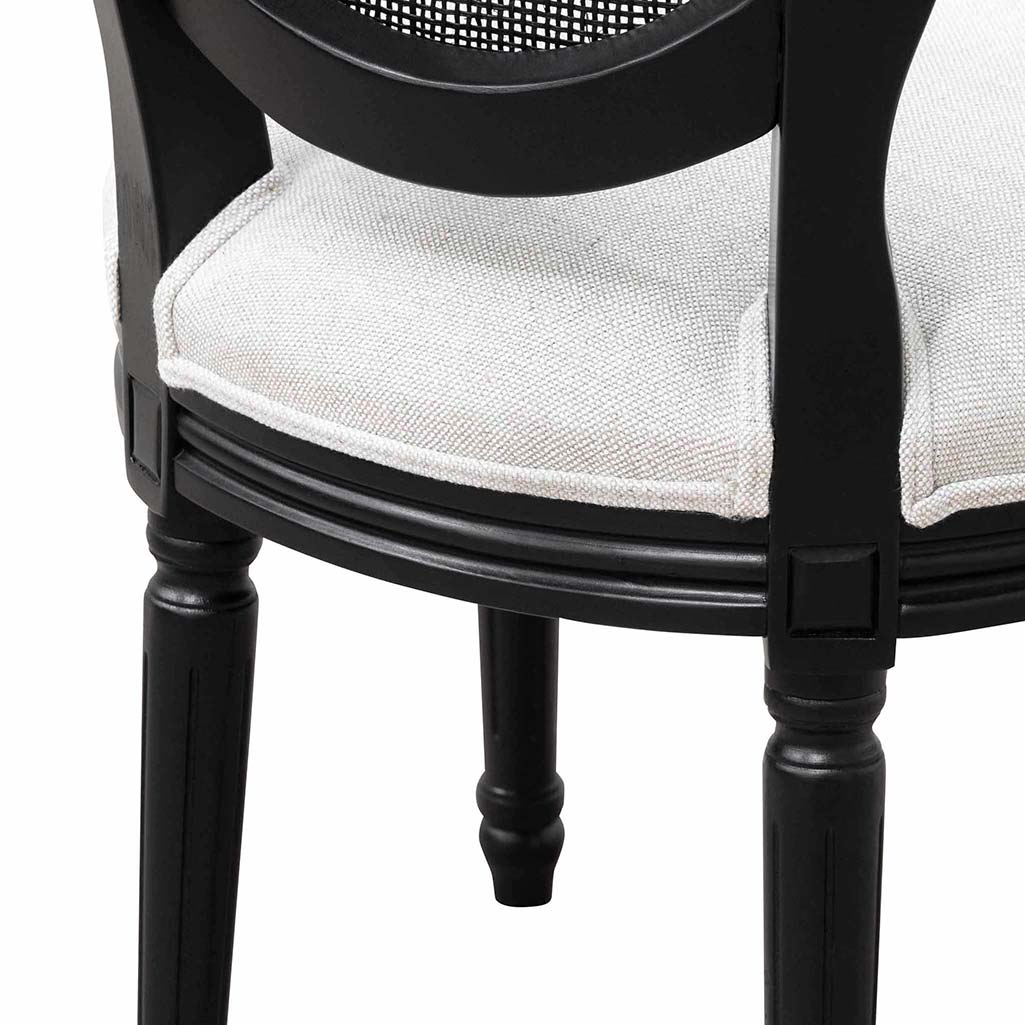




Choosing barstools looks simple until you start comparing heights, fabrics, frames, backrests, colours and kitchen layouts. A stool that looks beautiful online can feel awkward in real life if the seat is too high, the fabric is difficult to maintain, or the design does not suit how your family actually uses the space. In Australian homes, where kitchen islands and breakfast bars often work as dining spots, work zones, homework tables and social corners, the right fabric barstools can make the whole area feel more comfortable, polished and practical.
Fabric barstools are popular because they soften the look of hard kitchen surfaces. Stone benchtops, timber cabinetry, tiled floors and metal tapware all benefit from the warmth of upholstered seating. The key is knowing what to look for before buying. This guide explains the most important styles, heights and features so you can choose fabric barstools that suit your home, lifestyle and everyday comfort.
Why Fabric Barstools Are a Smart Choice for Australian Homes
Fabric barstools bring a relaxed, welcoming feel to kitchens and bar areas. Unlike timber or metal stools, fabric seating adds softness, texture and visual warmth. This is especially useful in modern Australian interiors where open-plan spaces often combine kitchens, dining areas and living rooms in one connected zone.
A fabric stool can make a kitchen island feel less like a workbench and more like a place to gather. For example, a family kitchen with white cabinetry and a stone benchtop can feel more inviting with beige, grey or textured fabric stools. A darker kitchen can feel more balanced with light upholstery, while a coastal-style home can benefit from woven-look fabrics and natural timber legs.
Fabric also works well for long sitting periods. If the bar area is used for breakfast, casual dinners, remote work or after-school routines, padded fabric seats usually feel more comfortable than hard surfaces. The goal is not only to make the space look better, but to make it easier to use every day.
Understanding the Right Barstool Height Before You Buy
Height is one of the most important details when choosing fabric barstools. Even a stylish stool can feel uncomfortable if there is not enough room between the seat and the benchtop. The right height allows people to sit naturally, rest their feet and move in and out without bumping their knees.
Counter Height Barstools for Kitchen Islands
Most kitchen islands and counters need counter-height stools rather than tall bar stools. These are designed for standard kitchen bench heights and are ideal for everyday use. They work well for breakfast bars, island seating and casual family meals.
A good rule is to leave enough space between the seat and the underside of the counter so the person sitting has comfortable legroom. This space is what makes the stool feel natural rather than cramped.
Bar Height Stools for Raised Benches and Home Bars
Bar-height stools are taller and suit raised breakfast bars, home bars or entertainment areas. These are not always suitable for standard kitchen islands, so it is important to measure first. A stool that is too tall can force people to hunch, while one that is too short makes the counter feel out of reach.
Before buying, measure from the floor to the top of your counter or bar surface. Then compare that measurement with the stool’s seat height, not the total height of the stool.
Adjustable Height Stools for Flexible Spaces
Adjustable fabric barstools are useful when the same seating area is used by different people or when you are unsure about exact height requirements. They can work across multiple bench heights and suit homes where adults, teenagers and guests all use the same kitchen zone.
However, adjustable stools often have a more contemporary look, usually with a central pedestal base. They suit modern kitchens but do not always blend with Hamptons, coastal or farmhouse interiors as naturally as fixed-leg upholstered stools.
Popular Fabric Barstool Styles and Where They Work Best
Fabric barstools come in many styles, and each one creates a different mood. The best choice depends on your kitchen design, available space and how formal or casual you want the area to feel.
Modern Fabric Barstools for Clean, Minimal Kitchens
Modern fabric barstools usually feature slim profiles, simple stitching, neutral upholstery and metal or timber legs. They work well in apartments, townhouses and contemporary homes where the kitchen has clean lines and limited visual clutter.
Choose grey, charcoal, beige or cream fabric for a timeless look. These colours pair easily with white, black, oak, walnut and stone finishes.
Coastal and Hamptons-Inspired Fabric Barstools
Coastal and Hamptons interiors suit lighter fabric tones, soft textures and natural frames. Think linen-look upholstery, pale timber legs, curved backs and relaxed shapes. These stools work beautifully in bright kitchens with white cabinetry, shaker doors, marble-look benchtops and natural light.
The benefit of this style is that it feels calm without looking plain. It adds comfort while keeping the room fresh and airy.
Mid-Century Fabric Barstools for Warm Character
Mid-century fabric barstools often include curved seats, tapered legs and warm timber finishes. They suit homes with walnut accents, pendant lighting, open shelving and earthy colour palettes.
This style is a good choice when you want the kitchen to feel designed, but not overly formal. It creates personality without dominating the room.
Fabric Barstools with Backs for Everyday Comfort
Fabric barstools with backs are ideal for families, long meals and relaxed entertaining. The backrest gives support and makes the stool feel closer to a proper dining chair. This is especially helpful if your kitchen island is used as a regular dining space.
Low-back designs keep the look streamlined, while high-back stools offer more support and presence. If the stools will be visible from the living room, choose a back shape that looks good from all angles.
Key Features That Make Fabric Barstools More Practical
Looks matter, but the features determine how well the stools perform over time. A good fabric barstool should feel stable, clean easily and suit the daily rhythm of the home.
Consider these features before making a final choice:
-
Comfortable padding: Choose cushioning that feels supportive, not overly soft. A seat that sinks too much can lose shape faster.
-
Footrest placement: A well-positioned footrest improves posture and makes taller seating more comfortable.
-
Strong frame material: Timber frames feel warm and classic, while metal frames suit modern and industrial kitchens.
-
Backrest style: Backless stools save space, while backed stools offer better support for longer sitting.
-
Swivel function: Swivel stools are useful in social kitchens, but they need enough surrounding space.
-
Fabric durability: Look for upholstery that can handle regular use, especially in family homes.
-
Easy-clean surface: Darker or textured fabrics can be more forgiving in busy kitchens.
-
Floor protection: Check whether the stool legs include glides or caps to reduce marks on timber or tiled floors.
Choosing the Best Fabric Colour for Your Kitchen or Bar Area
Colour has a major effect on how barstools change the room. Since stools sit at eye level when viewed across an open-plan space, they often become part of the kitchen’s main design statement.
Neutral Fabric Barstools for Long-Term Flexibility
Neutral colours such as beige, grey, taupe, cream and charcoal are safe choices for most Australian homes. They work well with changing décor, seasonal styling and different flooring tones.
A beige fabric stool can soften a white kitchen. A charcoal stool can ground a light space. A warm grey stool can connect stainless steel appliances with timber or stone finishes.
Dark Fabric Barstools for Contrast and Practicality
Black, dark grey and deep brown fabric barstools create contrast and can hide everyday marks better than very light upholstery. They suit homes with black tapware, dark pendant lights, industrial accents or bold cabinetry.
Dark stools also help define the island area in open-plan layouts. This is useful when the kitchen blends into the dining or lounge area and needs a clear visual anchor.
Soft Statement Colours for Personality
Soft blue, olive, rust or muted green fabric stools can add personality without overwhelming the kitchen. These colours work best when repeated subtly elsewhere, such as in artwork, cushions, décor pieces or dining accessories.
The trick is to keep the tone muted rather than overly bright. A gentle colour feels more expensive and easier to live with over time.

Matching Fabric Barstools with Your Interior Style
A stool should connect with the room rather than look like a last-minute purchase. The easiest way to achieve this is to match at least one element of the stool with an existing feature.
For example, timber legs can connect with timber flooring, open shelves or dining furniture. Black metal legs can match tapware, pendant lights or cabinet handles. Cream upholstery can soften a white kitchen, while textured grey fabric can complement stone benchtops.
In open-plan homes, also consider the dining chairs nearby. The barstools do not need to match them exactly, but they should feel related. A good approach is to repeat either the colour family, frame material or overall design style.
Space Planning: How Many Barstools Do You Need?
The number of stools depends on the length of your island and the width of each stool. Overcrowding is one of the most common mistakes. Too many stools can make the kitchen look busy and make it difficult for people to sit comfortably.
As a practical guide, leave enough space between each stool for elbows, movement and easy access. Wider stools with arms or curved backs need more room than slim backless designs. If your island is compact, two well-chosen fabric barstools will look better than three squeezed into the same area.
Also think about walkway clearance. Stools need space behind them so people can pull them out without blocking the kitchen path. This matters even more in apartments, galley kitchens and busy family homes.
Fabric Barstools for Families, Entertaining and Daily Living
The best fabric barstool depends on how the space is used. A couple who uses the island for coffee and occasional drinks has different needs from a family with children eating breakfast there every morning.
For Family Kitchens
Choose durable fabric, supportive backs and stable frames. Mid-tone colours are practical because they are easier to maintain than very pale upholstery. A footrest is also important for children and teenagers who sit for longer periods.
For Entertaining Spaces
Choose stools with a little more style impact. Curved backs, textured upholstery, swivel seats or darker tones can make the bar area feel more refined. Comfort still matters because guests often gather around the island before moving to the dining table.
For Small Apartments
Backless or low-back fabric barstools work best in tight spaces because they can slide neatly under the counter. Light colours and slim frames help the kitchen feel open rather than crowded.
Fabric Care and Maintenance Tips
Fabric barstools are easy to live with when they are maintained properly. Since kitchens are high-use areas, regular light cleaning is better than waiting until stains become difficult to remove.
Vacuum the seat and backrest to remove crumbs and dust. Treat spills quickly by blotting rather than rubbing. Use gentle fabric-safe cleaning methods and always follow the care instructions for the specific upholstery. In busy homes, textured or darker fabrics often feel more forgiving than flat, pale materials.
If the stools are placed near cooking areas, good ventilation also helps. Fabric can absorb odours more easily than timber or metal, so keeping the kitchen fresh protects the seating over time.
Common Mistakes to Avoid When Buying Fabric Barstools
Many buying mistakes happen because people choose by appearance alone. A beautiful stool still needs to fit the counter, suit the room and work with daily habits.
Avoid these common issues:
-
Buying stools before measuring the counter height
-
Choosing seats that are too wide for the island
-
Ignoring legroom under the benchtop
-
Selecting pale fabric for a high-spill family kitchen
-
Choosing backless stools for a space used as the main dining area
-
Forgetting to check footrest comfort
-
Mixing too many styles in one open-plan area
-
Choosing a design that blocks walkway space
Why Quality Matters When Buying Fabric Barstools
Fabric barstools get used more than many people expect. In many homes, they become the first seat people choose for morning coffee, quick meals, laptop work and conversations while cooking. That regular use means quality matters.
A well-made stool feels steady, keeps its shape and supports the body properly. Better upholstery also improves how the stool ages. Cheap padding can flatten, weak frames can wobble, and poor fabric can look tired quickly. Spending carefully on the right design often gives better long-term value than replacing uncomfortable or poorly made stools later.
For businesses such as cafés, display homes, Airbnb properties and office breakout areas, quality is even more important. Seating affects how people experience the space. Comfortable, attractive fabric barstools can make an interior feel more considered, which improves the impression guests, buyers or customers take away.
Conclusion
Fabric barstools can transform a kitchen or bar area, but the best choice is never based on looks alone. Height, spacing, fabric type, frame strength, back support and colour all shape how the stools feel in daily use. A well-chosen fabric barstool adds warmth to hard surfaces, improves comfort and helps the kitchen become a more inviting part of the home.
As Australian interiors continue to favour open-plan living, kitchen seating will remain more than a finishing touch. It will continue to influence how people gather, eat, work and connect at home. Choosing the right fabric barstools today means creating a space that looks refined, feels comfortable and supports real everyday living.
FAQs
What height should fabric barstools be for a kitchen island?
Measure your island from the floor to the benchtop, then choose a stool that leaves comfortable legroom between the seat and counter.
Are fabric barstools suitable for family kitchens?
Yes, fabric barstools work well in family kitchens when you choose durable upholstery, stable frames and colours that are easy to maintain.
Should I choose barstools with backs or without backs?
Choose stools with backs for longer sitting and everyday dining. Choose backless stools for compact spaces or a cleaner, tucked-away look.
What fabric colour is best for barstools?
Neutral tones such as beige, grey, cream and charcoal are the most flexible. Darker colours are practical for busier kitchens.
How many fabric barstools fit at a kitchen island?
It depends on island length and stool width. Leave enough space between each stool so people can sit, move and eat comfortably.