



You've sorted the bench, picked the splashback, and worked out how many stools fit without everyone bumping elbows. Then you hit the question that quietly holds up the whole decision: fabric or leather?
It sounds like a small choice. It isn't. Bar stools cop more daily wear than almost any other seat in an Australian home. Breakfast happens on them, homework happens on them, the third glass of wine on a Friday night happens on them. The frame usually outlives everything, so the material you sit on is what decides whether the stool still looks good in five years or gets shoved into the garage. Get it right and you barely think about it again. Get it wrong and you're reminded every time someone spills a coffee.
So let's compare the two properly, based on how they actually behave in a real kitchen, not how they look in a showroom under perfect lighting.
Comfort: how each one actually feels day to day
Comfort is the part people judge in the store and then completely rethink at home.
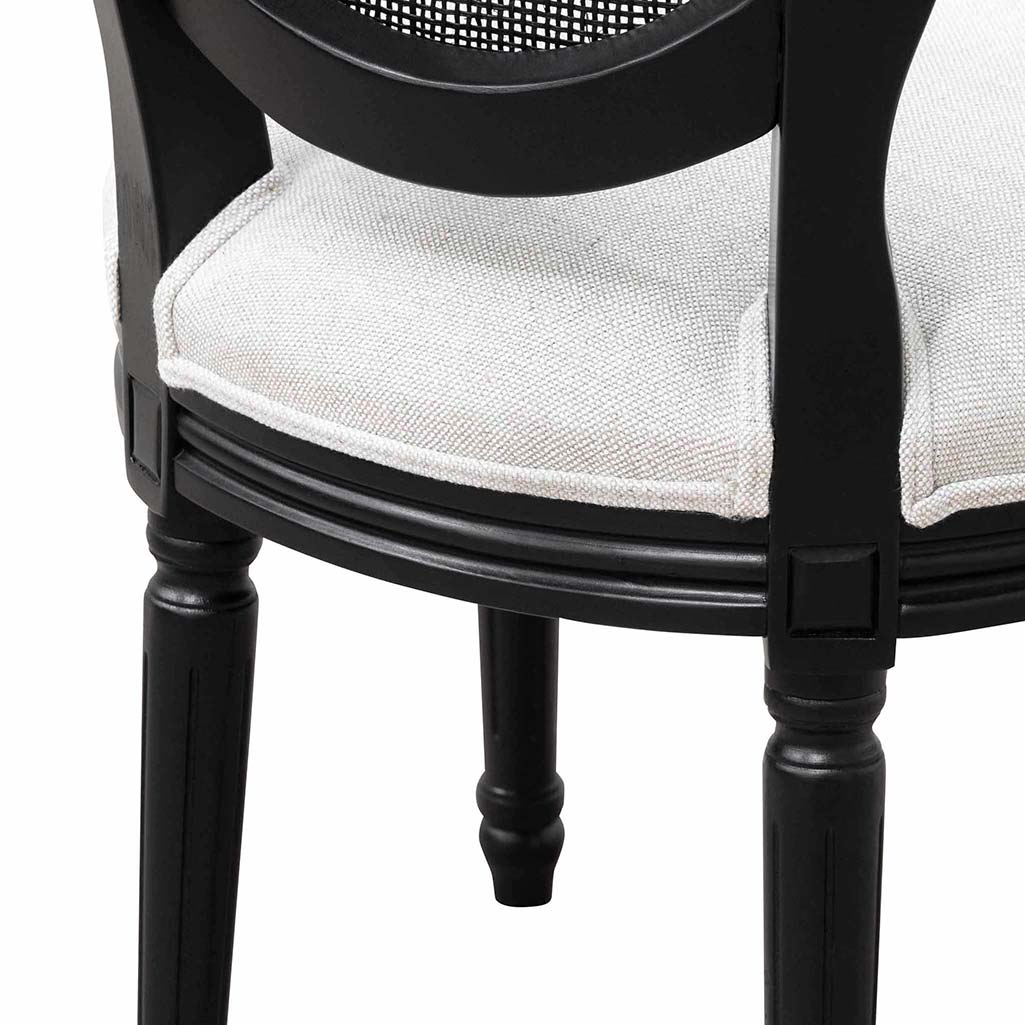
Fabric wins on immediate softness. It has a bit of give, it feels warm to the touch, and it doesn't change temperature with the seasons. You sit down and it's just comfortable, no adjustment period.
Leather starts firmer. A good hide takes a few weeks of use before it relaxes and starts to mould slightly to how you sit. Some people love that broken-in feel once it arrives. Others are never quite warm to it.
And then there's the thing nobody mentions in the product description: the Australian summer. Leather and bare skin in February is not a happy combination. On a 38-degree afternoon, a leather seat gets hot, and if you're in shorts, it sticks. Fabric breathes, so it stays closer to room temperature and never has that peel-off-the-seat moment. If your kitchen runs warm or you rarely use the air con during the day, that alone can settle the argument.
Winter flips it slightly, but only slightly. The leather feels cold for the first thirty seconds, then it's fine. Fabric skips that cold start entirely.
Cleaning and maintenance: the daily reality
This is usually the deciding factor, and there's a bit of myth to clear up.
The common assumption is: leather wipes clean, fabric stains, done. It's true that a spill on leather sits on the surface long enough to grab a cloth, while a spill on fabric can soak in if you're slow. But that's only half the story, because leather has its own upkeep that fabric doesn't.
Here's the honest version of what you're signing up for with each.
Leather:
-
Wipe most spills straight off with a damp cloth. Wine, juice, sauce, all manageable if you catch them reasonably quickly.
-
No vacuuming, no crumbs working their way into a weave.
-
The catch: real leather needs conditioning a couple of times a year, or it dries out and starts to crack, especially in a dry or air-conditioned home. Skip it for long enough and no amount of cleaning brings it back.
-
Scratches show. A ring, a belt buckle, a dog's paw, and it's there permanently.
Fabric:
-
Modern seating fabrics are far more stain-resistant than the fabric your parents had. Many are treated with liquid beads on top for a while before soaking in, which buys you time.
-
Some stools have removable, washable covers, which is a genuine advantage if you've got young kids.
-
The catch: you'll need to vacuum crumbs occasionally, and a set-in stain sometimes needs a proper upholstery cleaner rather than a quick wipe.
-
Once it's clean, it's clean. There's no ongoing conditioning routine.
The short version: leather is easier at the moment but asks for occasional maintenance. Fabric asks for a little more care with spills but no long-term ritual. Neither is truly low-effort, they're just low-effort in different ways.
Durability: which lasts longer, and why "leather" is a slippery word
This is where most regret comes from, and it's almost always down to one misunderstanding.
Not all leather is leather.
Genuine, full or top-grain leather is one of the most durable seating surfaces you can buy. It can take a decade or more of daily use and actually look better for it, developing that soft patina people pay extra for. If longevity is your priority and the budget's there, real leather is hard to beat.
But a lot of "leather-look" stools are PU, faux, or bonded leather. These can look almost identical when new and cost a fraction of the price. The problem shows up around the two-to-five year mark, when the coating starts to flake, peel and crack, usually right where you sit. Once that starts, there's no fixing it. If a leather stool seems suspiciously cheap, this is almost always why, and it's worth asking exactly what the material is before you buy.
Fabric durability is more predictable. Quality upholstery fabric is rated for how much rubbing it can handle before wearing, so a hard-wearing weave holds up to years of daily use without drama. The two things to watch are pilling on cheaper fabrics and fading from sunlight. That second one matters a lot here. Australian sun is brutal, and if your stools sit under a north-facing window or in a bright open-plan kitchen, a darker or lower-quality fabric can lose colour on one side over time. A good quality, fade-resistant fabric handles it, but it's worth thinking about where the stools will actually sit.

Matching the stool to your household
The best material genuinely depends on who's using it. A few real-world scenarios:
-
Family with young kids: Fabric with a removable, washable cover, or a wipeable performance fabric. You want something you can deal with after a dropped Weet-Bix bowl without panicking.
-
You entertain a lot: Leather, if you can afford genuine. Spills wipe off fast during a dinner party, and it reads as more formal against a stone benchtop.
-
Café, bar or high-traffic commercial space: Commercial-rated leather or a heavy-duty fabric built for constant use. Domestic stools won't survive the turnover.
-
Bright, sunny kitchen: Either works, but insist on genuine leather or a fade-resistant fabric. Cheap faux leather bakes and cracks; cheap fabric fades.
-
You just want comfort and warmth: Fabric, every time. It's the cosier seat and allows for a warmer climate.
Cost and long-term value
Sticker price and true cost aren't the same thing here.
Faux leather is the cheapest to buy and often the most expensive to own, because you'll likely replace it within a few years once it starts peeling. Genuine leather costs the most upfront but spreads that cost over a decade or more, so per year it can work out cheaper than you'd expect. Quality fabric sits in the middle: reasonable to buy, long-lasting if you choose a durable weave, and cheap to refresh if it ever has a removable cover.
The practical takeaway is to be wary of the bargain leather-look stool. Budget fabric from a decent range will usually outlast budget faux leather and cost you less heartache along the way.
The verdict
There's no universal winner, and anyone who tells you otherwise is guessing. Leather rewards you with easy wipe-downs, a formal look and, in its genuine form, real longevity, as long as you accept the odd conditioning session and a climate that turns the seat into a hotplate in summer. Fabric gives you warmth, breathability, softer comfort and far more colour and texture to play with, in exchange for being a touch more careful with spills.
If your household is busy, warm and full of kids, fabric is the sensible, comfortable, forgiving choice, and the modern stain-resistant options have closed most of the gap that leather used to hold. If you want a more formal finish and you're buying genuine hide for the long haul, leather earns its keep.
Buy the stool that fits how you actually live, in the climate you actually live in. That's the part the showroom never tells you, and it's the part that decides whether you love the choice for years or regret it by next summer.
FAQs
Are fabric bar stools hard to keep clean?
Not with modern fabrics. Most quality upholstery fabrics are treated to resist stains, so spills bead on top long enough to wipe away. For anything that sets in, an upholstery cleaner handles it, and some stools have removable covers you can wash.
Do leather bar stools crack over time?
Genuine leather can crack if it dries out, which is why it needs conditioning once or twice a year. Faux or PU leather is more likely to crack and peel, often within a few years, and can't be repaired once it starts.
Which is better for a hot Australian climate?
Fabric, in most cases. It breathes and stays close to room temperature, while leather gets hot and can stick to bare skin in summer. If you go leather, genuine hide handles heat better than cheap faux versions.
Which lasts longer, fabric or leather?
Genuine leather usually lasts longest and ages well. Good quality fabric also lasts many years. The short-lived option is faux leather, which tends to wear out fastest despite looking like the real thing when new.
Are fabric or leather stools better for a home with kids?
Fabric, especially a wipeable performance fabric or one with a removable, washable cover. It's more forgiving of everyday spills and messes, and generally the more comfortable seat for long family breakfasts.