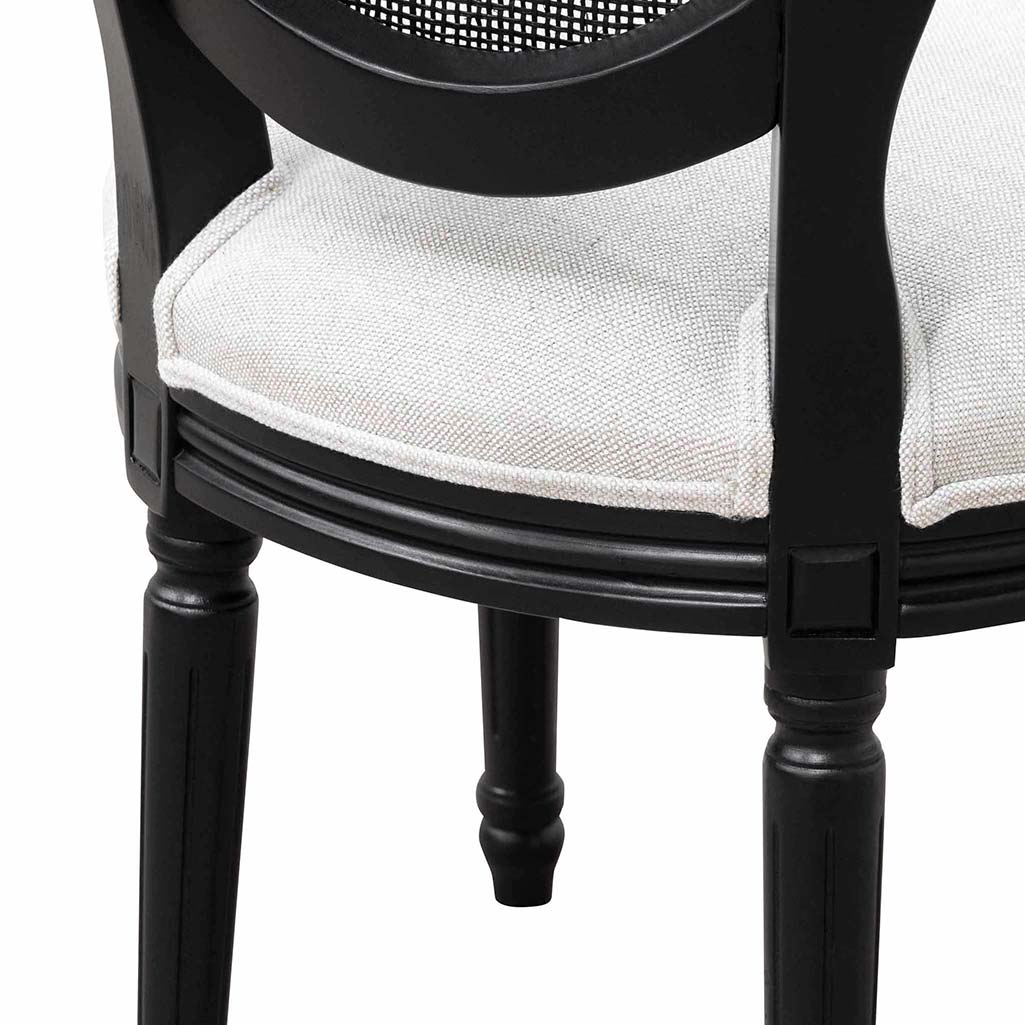




A dining room should feel welcoming, not just well-furnished. It is the place where family dinners, weekend breakfasts, casual conversations, and special gatherings naturally happen. Yet many dining spaces feel cold or overly styled because the furniture focuses only on shape, colour, or trend. Cane dining chairs offer a more balanced solution. They bring texture, warmth, comfort, and a relaxed natural character without making the room look heavy or cluttered.
For Australian homes, where open-plan layouts, natural light, timber flooring, coastal influences, and indoor-outdoor living are common, cane dining chairs fit beautifully. Their woven details soften hard surfaces, their neutral tones work with many interiors, and their lightweight look helps a dining area feel fresh and breathable. Whether your home leans modern, coastal, Scandinavian, Hamptons, or classic, cane chairs can add the organic feel that makes a dining space more inviting.
Why Cane Dining Chairs Feel Naturally Warm
Cane has a visual softness that many solid materials do not offer. The woven surface creates depth, shadow, and movement, which makes a dining chair feel more handcrafted and less manufactured. Instead of looking flat, cane introduces a natural pattern that changes slightly with light throughout the day.
Texture Makes the Room Feel More Lived-In
Modern dining rooms often include smooth surfaces such as glass, stone, polished timber, tiles, or painted walls. While these finishes look clean, they can feel a little sharp when used alone. Cane dining chairs help balance that effect. Their woven texture adds warmth without needing bold colours or heavy decoration.
For example, a simple oak dining table paired with cane-back chairs instantly feels more relaxed. The same applies to a white dining table, where cane prevents the space from looking too plain. This is why cane chairs are often used in homes that want a calm, natural, and welcoming mood.
Natural Tones Work Well in Australian Interiors
Cane usually sits within soft neutral tones such as honey, beige, tan, light brown, and natural blonde. These colours blend easily with Australian interior palettes, especially homes that use white walls, timber floors, linen curtains, jute rugs, stone benchtops, or earthy décor.
Instead of forcing attention, cane quietly supports the overall design. It adds warmth in a subtle way, which makes it easy to style across seasons. In summer, the cane feels light and coastal. In winter, it pairs beautifully with warmer textures such as wool rugs, timber sideboards, and soft upholstered cushions.
How Cane Chairs Create an Organic Dining Experience
An organic dining room does not mean rustic or unfinished. It means the space feels connected, comfortable, and natural. Cane dining chairs help achieve this by bringing handmade character into a room that still needs to function every day.
They Soften Open-Plan Living Areas
Many Australian homes use open-plan kitchen, dining, and living zones. In these layouts, dining chairs are visible from several angles, so they need to look attractive without overpowering the space. Cane chairs are ideal because they have presence, but they do not appear bulky.
Their open weave allows light to pass through, which keeps the room feeling spacious. This is especially useful in apartments, townhouses, and smaller dining areas where heavy chairs can make the room feel crowded.
They Add Warmth Without Darkening the Room
Some homeowners try to make a dining space feel warmer by using dark furniture, but this can reduce brightness. Cane offers a better middle ground. It brings warmth through texture and tone while keeping the room airy.
A cane dining chair with a timber frame, for instance, can warm up a white or grey dining space without making it feel dark. This makes cane a smart option for homes that want natural comfort while still keeping a bright, open feel.
Cane, Wicker, and Rattan: Understanding the Difference
The terms cane, wicker, and rattan are often used together, but they do not mean exactly the same thing. Understanding the difference helps you choose dining chairs more confidently.
Cane Is Known for Its Fine Woven Look
Cane is commonly used for woven chair backs, seats, and decorative panels. It has a refined appearance, making it suitable for dining chairs that need to feel elegant rather than overly casual. Cane-back dining chairs are especially popular because they offer comfort, airflow, and visual detail.
Wicker Refers to the Weaving Style
Wicker is not one single material. It refers to the technique of weaving flexible fibres into furniture or decorative surfaces. A wicker-style dining chair can be made from natural or synthetic materials, depending on the design.
Rattan Often Provides Structure and Shape
Rattan is frequently used for furniture frames and curved forms because it is lightweight and flexible. In dining chair design, rattan and cane often work together to create a chair that feels natural, detailed, and easy to place in different interiors.
Interior Styles That Work Beautifully with Cane Dining Chairs
One reason cane dining chairs remain popular is their flexibility. They do not belong to only one design style. With the right table, rug, lighting, and décor, cane can shift from casual to refined very easily.
Coastal Homes
Cane is a natural match for coastal interiors. Pair cane dining chairs with a whitewashed timber table, linen napkins, ceramic tableware, and soft blue or sandy accents. The result feels relaxed, bright, and easy to live with.
Modern Organic Interiors
For a modern organic look, combine cane chairs with curved furniture, stone textures, warm timber, indoor plants, and neutral walls. This style works well in newer Australian homes where the goal is clean design with natural warmth.
Hamptons and Classic Dining Rooms
Cane can also feel elegant in a Hamptons-inspired dining room. Choose chairs with a white, black, or natural timber frame and pair them with a solid dining table, pendant lighting, and soft upholstered details. The woven cane adds charm without making the room feel too decorative.
Scandinavian Spaces
Scandinavian interiors rely on simplicity, function, and natural materials. Cane dining chairs fit this style because they look light and practical while still adding character. They work especially well with pale oak tables, white walls, and minimal décor.
Practical Benefits of Cane Dining Chairs for Everyday Homes
Cane dining chairs are not only chosen for appearance. They also offer practical advantages that suit busy households, apartments, family homes, and casual entertaining spaces.
Key everyday benefits include:
-
A lighter visual profile that helps small dining rooms feel more open
-
Natural airflow through the woven back or seat
-
Easy pairing with timber, stone, marble, glass, or painted dining tables
-
A warm neutral appearance that suits changing décor trends
-
A relaxed look that works for both daily meals and guest entertaining
This combination of style and practicality makes cane dining chairs a strong choice for people who want their dining space to feel beautiful without becoming too formal.

How to Choose the Right Cane Dining Chairs
A cane chair should look good, but it also needs to suit your table, room size, lifestyle, and comfort preferences. The best choice is not always the most decorative one. It is the chair that fits naturally into how you use your dining space.
Match Chair Height with Your Dining Table
Comfort starts with proportion. A chair that is too high or too low can make everyday dining uncomfortable. Check the seat height and make sure there is enough room between the chair seat and the underside of the table for comfortable leg space.
Consider the Frame Material
Cane dining chairs often come with timber, metal, or painted frames. Timber frames create a warmer, more natural look. Black frames add contrast and suit modern or industrial spaces. White frames feel fresh and coastal. The frame choice changes the entire mood of the chair, so it should connect with the rest of your dining room.
Look at the Weave Quality
A well-made cane chair should have a neat, consistent weave. Loose or uneven cane can affect both appearance and comfort. For dining rooms used every day, choose a chair that feels stable, supportive, and properly finished.
Think About Comfort for Long Meals
Some cane dining chairs have woven seats, while others combine cane backs with upholstered seats. If your family often sits at the table for long dinners, homework, work-from-home tasks, or weekend gatherings, an upholstered seat can add extra comfort while still keeping the natural cane look.
Styling Ideas for a Warm and Organic Dining Room
Cane dining chairs look best when they are part of a complete design story. The goal is to build layers of natural texture rather than relying on the chair alone.
Try these styling ideas:
-
Pair cane chairs with a timber dining table for a grounded, natural look
-
Add a woven rug under the dining table to create softness and define the space
-
Use warm pendant lighting above the table to highlight the cane texture
-
Choose ceramic, linen, or stone table décor for an organic finish
-
Add indoor plants nearby to strengthen the natural feel
-
Keep the colour palette calm with beige, white, soft grey, olive, tan, or warm brown tones
These details help the room feel intentional. Cane dining chairs provide the foundation, while the surrounding materials complete the atmosphere.
Caring for Cane Dining Chairs in Australian Homes
Cane is a natural material, so it benefits from simple, consistent care. You do not need a complicated routine, but you should protect the weave from conditions that can weaken it over time.
Keep Them Away from Harsh Direct Sun
Strong sunlight can dry natural fibres and affect the finish. In bright Australian homes, place cane dining chairs away from prolonged harsh sun where possible, or use curtains and blinds during peak sunlight hours.
Clean the Weave Gently
Dust can settle into the woven pattern, so regular light cleaning helps maintain the chair’s appearance. Use a soft brush, dry cloth, or vacuum with a gentle brush attachment. For small marks, use a lightly damp cloth and dry the area properly afterwards.
Avoid Excess Moisture
Cane handles normal indoor use well, but it should not stay wet. Wipe spills quickly and avoid placing natural cane chairs in damp areas for long periods. Good airflow helps preserve the weave and keeps the chair fresh.
Why Cane Dining Chairs Are a Smart Choice for Homeowners and Businesses
Cane dining chairs are useful beyond private homes. Cafés, boutique accommodation, display homes, interior styling studios, and short-stay properties often choose cane because it photographs well and creates an inviting first impression.
For homeowners, cane adds warmth and personality without needing a full renovation. For businesses, it helps create a relaxed and memorable dining environment. A café with cane dining chairs can feel more welcoming. A holiday rental with natural textures can feel more considered. A styled property can look softer and more liveable.
This is where cane becomes more than a design detail. It influences how people feel in a space. A chair that looks natural, comfortable, and thoughtfully chosen can improve the entire dining experience.
Common Mistakes to Avoid When Styling Cane Chairs
Cane is versatile, but it still needs balance. One common mistake is using too many woven pieces in the same room. Cane chairs, a rattan pendant, a jute rug, and multiple baskets can look busy if they all compete for attention. Choose one or two key woven elements and let the rest of the room breathe.
Another mistake is ignoring contrast. Cane looks best when paired with different surfaces such as smooth timber, stone, linen, or painted finishes. This contrast helps the woven texture stand out.
The third mistake is choosing style over comfort. A dining chair should support real use. Before choosing a design, think about how often the chair will be used, who will sit on it, and whether you need arms, cushioning, or a stronger frame for daily family dining.
Conclusion
Cane dining chairs bring warmth, texture, and natural character into the home in a way that feels effortless. They soften modern dining rooms, brighten open-plan spaces, and create a relaxed organic feel that suits Australian living. Their woven detail adds visual interest without overwhelming the room, while their neutral tones make them easy to style with timber, stone, linen, and soft décor.
The real strength of cane dining chairs is their balance. They feel stylish but not stiff, natural but not rustic, and timeless without feeling outdated. As more homes move toward comfortable, calming, and material-rich interiors, cane dining chairs will continue to be a smart choice for people who want a dining space that feels warm, personal, and easy to enjoy every day.
FAQs
Are cane dining chairs comfortable for everyday use?
Yes, cane dining chairs can be comfortable for daily dining, especially when they have a supportive frame and well-shaped back. For longer sitting, choose a design with an upholstered seat.
Do cane dining chairs suit modern homes?
Yes, cane dining chairs work well in modern homes because they add warmth and texture without making the space look heavy. They pair nicely with clean lines, neutral colours, and timber finishes.
What dining table works best with cane chairs?
Cane chairs work beautifully with timber, white, black, stone, and glass dining tables. Timber creates a natural look, while black or white tables create stronger contrast.
Are cane dining chairs hard to maintain?
No, cane dining chairs are easy to maintain with regular dusting and gentle cleaning. Keep them away from excess moisture and harsh direct sunlight to protect the weave.
Can cane dining chairs make a small dining room look bigger?
Yes, their open woven design and light visual profile can make a small dining room feel more spacious compared with bulky solid-back chairs.