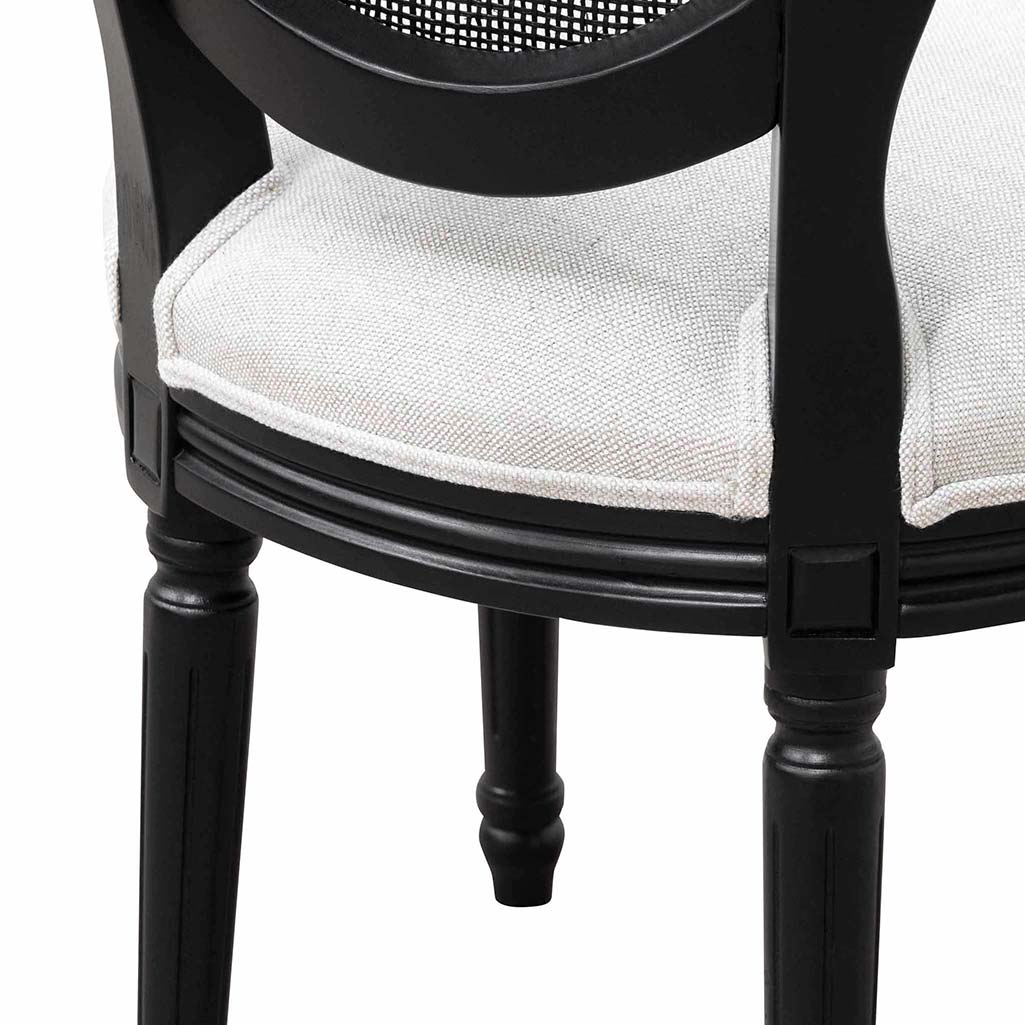




A kitchen island or home bar can look beautifully finished in photos, yet feel incomplete in real life. Often, the issue is not the cabinetry, benchtop, lighting, or flooring. It is the seating. Barstools sit directly in the visual centre of many Australian open-plan homes, so the wrong choice can make the entire space feel flat, cold, crowded, or disconnected.
Fabric barstools offer a simple but powerful way to soften a room, add comfort, introduce colour, and create a more welcoming atmosphere. Unlike plain timber or metal stools, fabric designs bring texture and warmth into everyday spaces. They make a kitchen island feel less like a work surface and more like a place for breakfast, conversation, coffee, homework, evening drinks, and relaxed entertaining.
For Australian homes where kitchens often connect with dining and living areas, fabric barstools help bridge the gap between practical furniture and interior styling. They are not just extra seats. They are design pieces that can shape the mood, balance hard surfaces, and make the home feel more considered.
Why Fabric Barstools Make Such a Strong Interior Design Impact
Fabric barstools stand out because they affect both how a room looks and how it feels. Kitchens and bar areas usually include hard materials such as stone, tile, glass, timber, stainless steel, and painted cabinetry. While these finishes are practical, too many hard surfaces can make a space feel sharp or unfinished.
Fabric adds softness where the room needs it most. A padded seat, upholstered backrest, or textured fabric finish can reduce the visual harshness of a kitchen island and make the area feel more comfortable. This is especially valuable in modern Australian interiors, where open-plan layouts can sometimes look minimal but feel a little cold.
They Add Warmth Without Major Renovation
One of the biggest advantages of fabric barstools is that they can change the feeling of a space without changing permanent fixtures. You do not need to replace cabinets, repaint walls, or install new flooring. A carefully chosen set of fabric barstools can refresh the room almost instantly.
For example, a white kitchen with a stone benchtop can feel clean but plain. Add beige, charcoal, olive, taupe, or soft grey fabric barstools, and the same kitchen suddenly feels warmer and more layered. The effect is subtle, but it makes the room feel more lived-in and professionally styled.
They Make Open-Plan Living Feel More Cohesive
In many Australian homes, the kitchen, dining area, and lounge are visually connected. Fabric barstools can help link these zones together. A stool upholstered in a colour that appears in the sofa, rug, curtains, or dining chairs creates a quiet design connection across the space.
This does not mean everything needs to match. In fact, interiors usually look better when pieces coordinate rather than copy each other. A fabric barstool can repeat a tone, texture, or mood from another part of the room, helping the whole home feel intentional.
Choosing the Right Fabric Barstool Style for Your Kitchen or Bar Area
Fabric barstools come in many shapes, heights, colours, and finishes. The best choice depends on the way the space is used, the style of the home, and the level of comfort needed.
Backless Fabric Barstools for Clean, Minimal Spaces
Backless fabric barstools are ideal when you want a neat and uncluttered look. They can be tucked under the bench when not in use, which works well in smaller kitchens, apartments, or narrow walkways.
They are a smart option for quick meals, casual coffee spots, or compact breakfast bars. However, they are usually better for shorter sitting periods rather than long dinners or extended entertaining.
Fabric Barstools with Backs for Comfort and Support
Fabric barstools with backs are better suited to homes where the kitchen island is used often. If family members eat meals there, guests gather around it, or children use it for homework, a supportive backrest makes a noticeable difference.
These styles also create more visual presence. A row of upholstered barstools with shaped backs can act almost like a design feature, giving the kitchen a more polished and complete appearance.
Swivel Fabric Barstools for Flexible Everyday Use
Swivel fabric barstools suit busy households and social spaces. They make it easy to turn between the kitchen, dining area, and living room without dragging the stool across the floor.
This can be especially useful in open-plan homes where people naturally move between cooking, chatting, serving food, and relaxing. A swivel function adds convenience while still allowing the fabric upholstery to keep the look soft and stylish.
How Fabric Barstools Improve Comfort in Everyday Living
Interior design is not only about appearance. A beautiful room still fails if people do not want to sit in it. Fabric barstools improve comfort because they offer a softer seating experience than hard timber, plastic, or metal stools.
This matters more than many homeowners expect. The kitchen island has become a casual dining table, work surface, coffee spot, conversation hub, and entertaining zone. Seating needs to support that lifestyle.
Better Seating Encourages More Use of the Space
When barstools are uncomfortable, people avoid using them for long. They might perch for a few minutes, then move to the sofa or dining table. With cushioned fabric seating, the kitchen island becomes a place people naturally want to stay.
This is useful for families, couples, and entertainers. A comfortable barstool can make morning routines smoother, after-school conversations easier, and weekend hosting more relaxed.
Fabric Adds a Softer Feel Against the Body
Fabric upholstery feels warmer and softer than many hard surfaces. This makes it more comfortable during everyday use, especially in air-conditioned homes or cooler seasons. It also adds a sense of casual luxury without making the space feel too formal.
A fabric seat with gentle padding can make even a small kitchen feel more inviting. It tells people the space is not just for cooking; it is for sitting, sharing, and spending time.
Using Fabric Barstools to Add Colour, Texture, and Personality
Fabric barstools are an effective way to introduce personality into a kitchen without overwhelming the room. Since kitchens often use neutral cabinetry and simple surfaces, the barstools become a natural place to add interest.
Neutral Fabric Barstools for Timeless Interiors
Neutral tones such as grey, beige, cream, oatmeal, charcoal, and taupe are popular because they work with many interior styles. They are easy to pair with timber floors, stone benchtops, black hardware, brushed metal finishes, and white cabinetry.
Neutral fabric barstools are ideal if you want a calm, timeless look. They also give you flexibility to update other parts of the room later, such as cushions, artwork, lighting, or table décor.
Dark Fabric Barstools for Contrast and Definition
Black, charcoal, navy, or deep brown fabric barstools can add structure to a light kitchen. They help ground the room and prevent pale interiors from looking too washed out.
For example, dark fabric barstools can work beautifully with white cabinetry, marble-look benchtops, or light oak flooring. The contrast adds depth while the fabric finish keeps the look softer than solid black metal or plastic seating.
Coloured Fabric Barstools for a Designed Look
Colour can make a kitchen feel more personal. Soft green, muted blue, warm rust, blush, or deep olive fabric barstools can introduce character without making the room feel busy.
The key is to choose a colour that connects with something else in the home. This might be a rug, artwork, pendant light, indoor plant, dining chair fabric, or lounge cushion. That small connection makes the colour feel deliberate rather than random.
Matching Fabric Barstools with Popular Australian Interior Styles
Different homes need different styling choices. Fabric barstools are versatile because they can suit coastal, modern, contemporary, Hamptons, Scandinavian, industrial, and apartment interiors.
Coastal and Relaxed Australian Homes
For coastal-inspired homes, choose light fabric tones such as linen, beige, soft grey, or warm white. These shades pair well with natural timber, rattan accents, pale flooring, and bright open spaces.
A fabric barstool with timber legs can create an easy, breezy feel without looking too casual. It works well in homes near the beach, holiday houses, or relaxed family kitchens.
Modern and Contemporary Kitchens
Modern kitchens often feature clean lines, stone surfaces, black accents, and minimal cabinetry. Fabric barstools soften this look without taking away from the modern feel.
Choose streamlined shapes, simple silhouettes, and refined colours such as charcoal, taupe, grey, or cream. A stool with slim legs and a padded seat can bring comfort while keeping the design sharp.
Warm Minimalist Interiors
Warm minimalism is about simplicity with texture. Fabric barstools are perfect for this look because they add softness without clutter.
Instead of bold colours, focus on tactile fabric, curved shapes, natural tones, and balanced proportions. The result feels calm, comfortable, and refined.
Luxe Home Bar Settings
For a home bar, fabric barstools can create a more elevated atmosphere. Darker upholstery, curved backs, metal accents, or deeper tones can make the area feel sophisticated and social.
This works especially well in apartments, entertainment rooms, open-plan living areas, or homes with a dedicated drinks station.
Practical Features to Consider Before Buying Fabric Barstools
A beautiful barstool still needs to work for real life. Before choosing a style, think about height, comfort, cleaning, durability, and how the stool will fit into your daily routine.
Important details to check include:
-
Seat height that suits your kitchen island, breakfast bar, or home bar
-
Enough legroom between the stool and benchtop
-
Fabric that suits your household, especially if you have children or frequent guests
-
Footrests for better comfort during longer sitting
-
Backrests if the stools will be used for meals or entertaining
-
Floor-friendly legs or protectors for timber, tile, or hybrid flooring
-
A shape that allows people to move around the kitchen easily
These details affect comfort and usability every day. A stool that looks good but feels awkward will quickly become frustrating.
Why Fabric Barstools Are Valuable for Homeowners and Interior-Focused Businesses
Fabric barstools are not only useful for private homes. They also matter for businesses that care about atmosphere, presentation, and customer experience.
For homeowners, they improve the way the kitchen functions and feels. For property stylists, Airbnb hosts, cafés, display homes, and boutique accommodation providers, they can help create a more polished and memorable impression.
They Help Create a More Premium First Impression
When someone walks into a kitchen or bar area, the barstools are often one of the first things they notice. Well-chosen fabric barstools can make the space look finished, cared for, and visually balanced.
For short-stay rentals or styled homes, this matters. Guests and buyers respond to interiors that feel comfortable and thoughtfully arranged. Upholstered seating can make the space feel more inviting in photos and more pleasant in person.
They Support Better Guest Comfort
In hospitality-style spaces, comfort affects how long people stay and how they feel about the experience. Fabric barstools create a softer, more relaxed seating option, which is useful in breakfast bars, casual dining areas, waiting zones, and boutique interiors.
A comfortable stool encourages people to sit, talk, eat, and enjoy the setting. That practical benefit directly supports the overall mood of the space.

Styling Tips to Make Fabric Barstools Look More Expensive
The right styling can make fabric barstools look even more refined. Small design decisions often create the biggest difference.
Try these simple styling ideas:
-
Use an odd or even number of stools based on bench length, but leave enough breathing room between each seat
-
Match the stool leg finish with nearby hardware, lighting, or table legs
-
Choose fabric tones that complement the benchtop rather than compete with it
-
Avoid overcrowding the island with too many stools
-
Add pendant lighting above the bench to frame the seating area
-
Keep the benchtop styling simple so the stools remain a feature
-
Use nearby décor, such as artwork or cushions, to repeat the fabric colour subtly
A premium look comes from restraint. Fabric barstools should enhance the room, not fight for attention with every other element.
Common Mistakes to Avoid When Choosing Fabric Barstools
Many people choose barstools based only on appearance, then realise later that the size, comfort, or colour does not suit the home. Avoiding a few common mistakes can save money and frustration.
Choosing the Wrong Height
Barstool height is one of the most important details. If the seat is too high, sitting feels cramped. If it is too low, people feel awkward reaching the benchtop. Always measure the counter or bar before buying and allow enough space for knees and movement.
Ignoring the Scale of the Kitchen
Large, bulky stools can overwhelm a small kitchen, while tiny stools can look lost under a wide island. The stool should feel proportionate to the bench, cabinetry, and room size.
In smaller apartments, slim legs and lower backs can keep the space open. In larger kitchens, upholstered backs or wider seats can create a stronger design statement.
Picking Fabric Without Thinking About Lifestyle
Light fabric can look beautiful, but it needs to suit the way the home is used. For busy family kitchens, darker tones, textured weaves, or easy-care fabrics can be more practical. For adult households or formal spaces, lighter upholstery can work well with the right care routine.
How to Care for Fabric Barstools So They Stay Looking Fresh
Fabric barstools can remain stylish for years when cared for properly. The goal is to prevent everyday marks from becoming permanent and to protect the fabric from unnecessary wear.
Regular vacuuming helps remove dust, crumbs, and small particles from the fabric surface. Spills should be blotted quickly rather than rubbed, because rubbing can push liquid deeper into the fibres. It is also wise to check the care instructions for the specific upholstery before using any cleaning product.
If the stools sit in direct sunlight for long periods, rotating them occasionally can help reduce uneven fading. For homes with children, pets, or heavy daily use, choosing a textured or darker fabric can make maintenance easier.
Conclusion
Fabric barstools can instantly elevate a kitchen or bar area because they solve several design challenges at once. They soften hard surfaces, add comfort, introduce texture, create visual warmth, and help open-plan spaces feel more connected.
For Australian homes, where the kitchen often acts as the centre of daily life, the right barstools can make the space more useful and more beautiful. They can turn a plain island into a welcoming gathering point, make a home bar feel more polished, and give the entire interior a more considered finish.
The future of home interior design is not about filling rooms with more furniture. It is about choosing pieces that work harder, feel better, and bring personality into everyday spaces. Fabric barstools do exactly that. They are practical, stylish, comfortable, and versatile enough to suit many Australian homes, making them one of the simplest upgrades for a more elevated interior.
FAQs
Are fabric barstools good for everyday use?
Yes. Fabric barstools are comfortable for daily use, especially when they have padded seats, supportive backs, and durable upholstery.
What colour fabric barstools suit most Australian homes?
Neutral colours such as grey, beige, taupe, cream, and charcoal suit most Australian interiors because they pair well with timber, stone, and white cabinetry.
Are fabric barstools hard to clean?
They are easy to maintain with regular vacuuming and quick spill cleaning. Always follow the fabric care instructions provided with the stool.
Should fabric barstools have a backrest?
A backrest is best if the stools are used for meals, entertaining, or long sitting periods. Backless stools are better for compact spaces and quick seating.
How many fabric barstools should I place on a kitchen island?
It depends on the island length. Leave enough space between stools so people can sit comfortably without feeling crowded.