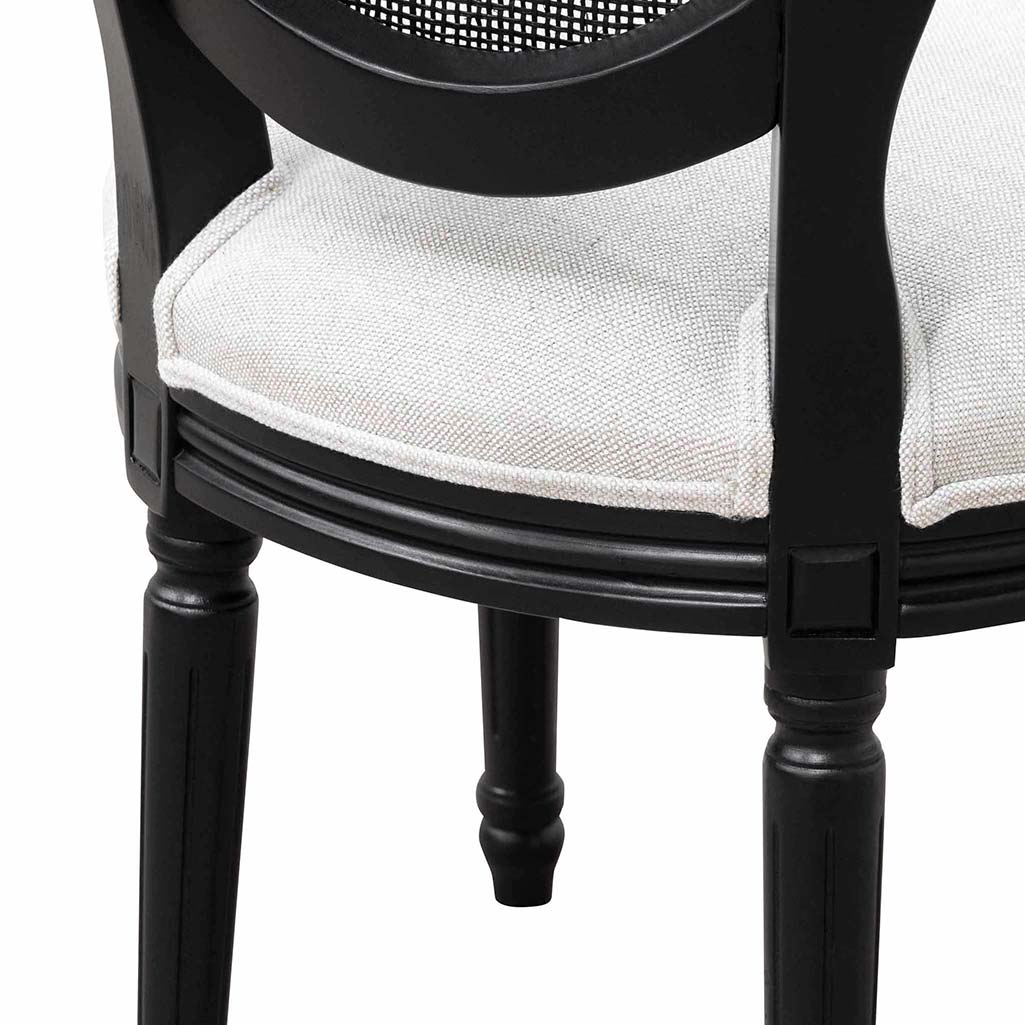




Dining chairs look simple until you bring the wrong ones home. A chair can be beautifully made, on trend, and still feel awkward if the seat is too high the arms hit the table the colour fights with the room, or the fabric cannot handle everyday family use. For Australian households, this matters even more because dining areas are often part of open-plan kitchens and living spaces, where chairs are visible all day rather than only at dinner.
Below is a practical research backed guide to choosing dining chairs that fit your table, suit your interior style and work for real daily life.
Start With the Table Not the Chair
The most common mistake is choosing dining chairs based on appearance first. Style matters, but the table decides whether the chair will actually work.
Measure the Table Height and Underside Clearance
Most standard dining tables sit around 71–76 cm high, and most dining chairs have a seat height of roughly 45–50 cm. The key comfort zone is the gap between the top of the chair seat and the underside of the table, which should usually be around 25–30 cm.
Do not measure only to the tabletop. Many tables have a frame, apron or support rail underneath, and that can reduce legroom. This is especially important with thicker timber tables, pedestal tables and farmhouse-style designs.
For example, if your table is 76 cm high but has a 7 cm apron underneath, your usable clearance may only be 69 cm. A 49 cm seat might look standard on paper, but it could feel cramped once someone sits down.
Check Whether Armchairs Can Slide Underneath
Dining chairs with arms can look elegant and feel relaxed, especially at the ends of a rectangular table. However, they need more clearance than armless side chairs. Only Dining Chairs’ collection includes filters for armrest height, including options under 65 cm, 66–69 cm, and 69 cm or higher, which is useful when checking compatibility with your table.
A good rule is simple: the armrest must sit lower than the underside of the table, not just the tabletop. If the arms hit the table, the chairs will stick out, take up more floor space, and make the room feel crowded.
Match Chair Size to the Room Not Just the Table
A dining chair must work in two positions: pushed in and pulled out. Many buyers only imagine the chairs tucked neatly under the table, but real dining rooms need movement.
Allow Enough Space Behind Each Chair
For comfortable use, allow at least 90 cm behind dining chairs so people can pull them out and sit down. If people need to walk behind seated diners, 100–120 cm is better.
This matters in apartments, narrow dining zones, and open-plan homes where the dining setting may sit between the kitchen island and lounge. If the chairs block a walkway, even the best-looking dining set will become annoying in daily use.
Think About Chair Width and Seating Capacity
A chair’s width affects how many people can sit comfortably. Around 60 cm of table edge per person is a practical minimum while 65–70 cm feels more relaxed.
For a 180 cm rectangular table three slim chairs per side may work. But if you choose wide upholstered chairs or chairs with arms two per side may feel more natural. Comfort usually beats squeezing in one extra seat.
Choose a Style That Belongs With Your Table
The best dining chairs do not have to match the table exactly. In fact, overly matched settings can sometimes feel flat. The goal is balance: the chair should either complement the table or create a deliberate contrast.
Timber Tables Pair Well With Texture
A timber table already has warmth and grain, so your chair choice should either continue that natural feel or add contrast.
For a light oak or natural timber table, consider Scandinavian, coastal, rattan, beige fabric, or light upholstered chairs. For a dark walnut or black-stained timber table, tan leather, charcoal fabric, black metal, or deep green velvet can create a richer look.
Natural materials remain important in Australian interiors, with timber, cork, and other tactile finishes being used to bring warmth, texture, and a more grounded feel into homes.
Glass and Stone Tables Need Softness
Glass, marble-look, ceramic, and stone-top tables can feel sleek but cold. Upholstered dining chairs help soften the look and reduce visual hardness. Curved backs, padded seats, boucle-style fabrics, velvet, or leather-look finishes can make these tables feel more inviting.
This is especially useful in modern apartments where flooring, benchtops, and cabinetry may already be smooth and hard. A soft chair adds comfort without needing to change the whole room.
Round Tables Work Best With Lighter Visual Profiles
Round tables are sociable and space-friendly, but bulky chairs can make them feel crowded. Armless chairs, curved-back chairs, slim timber frames, and tapered legs usually suit round tables well.
If your round table has a central pedestal, you may have more flexibility because there are no corner legs to block chair placement. Still, check the chair width carefully so each person has enough elbow room.
Pick Materials Based on Lifestyle, Not Just Looks
The right dining chair material depends on how the space is used. A formal dining room used twice a month has different needs from a family table used for breakfast, homework, work calls, and weekend guests.
Only Dining Chairs’ all-dining-chairs collection includes a broad mix of upholstered, wood, plastic, metal, rattan/wicker, leather and velvet options, with filters for style, colour, back style, seat height, assembly, and features.
Practical Material Guide
-
Fabric upholstered chairs: Comfortable and warm, ideal for long dinners. Choose darker neutrals, textured weaves or easy clean fabrics for family use.
-
Leather or faux leather chairs: Good for a polished look and easier wipe-down cleaning. Tan, black, and brown tones pair especially well with timber tables.
-
Wooden dining chairs: Timeless and durable. They suit Scandinavian, farmhouse, coastal, and classic interiors, but may need cushions if used for long meals.
-
Velvet dining chairs: Best for statement dining rooms or stylish open-plan spaces. They add colour and softness but need more care around spills.
-
Rattan or wicker chairs: Great for coastal, relaxed, and natural interiors. They add texture without making the room feel heavy.
-
Metal or plastic chairs: Practical for compact, casual, or outdoor-adjacent spaces. They are often easier to move and clean.
For homes with children or frequent entertaining, choose chairs that are easy to wipe, stable on the floor, and not too heavy to move. For adults who host long dinners, comfort, back support, and seat padding become more important.
Use Colour to Connect the Whole Room
Dining chair colour should not be chosen in isolation. Look at the floor, table finish, wall colour, kitchen cabinetry, rug, lighting, and nearby sofa. In open-plan Australian homes, dining chairs often act as a bridge between the kitchen and living area.
Neutrals Are Safe, But Texture Keeps Them Interesting
Beige, grey, black, white, tan, and natural tones are popular because they work with many tables. But neutral does not have to mean plain. A beige boucle chair, grey woven fabric chair, or tan leather chair can add depth while staying flexible.
Only Dining Chairs’ collection includes a wide colour range, including black, beige, grey, natural, green, white, tan, brown, blue, olive, and other tones, which gives buyers room to match both classic and more expressive interiors.
Use Accent Colours Carefully
Green velvet, navy fabric, rust, terracotta, or deep blue chairs can look beautiful, especially with timber or black tables. The trick is to repeat the colour somewhere else in the room, such as artwork, cushions, a rug, ceramics, or pendant lighting.
A dining chair colour should feel intentional. If it appears only once in the room, it may look like an impulse purchase. If it appears two or three times, it feels designed.
Decide Between Matching, Mixed, and Statement Chairs
There is no single correct approach. The right choice depends on how formal, relaxed, or personalised you want the space to feel.
Matching Chairs Create Calm and Order
A full matching set works well in modern, minimalist, formal, or compact dining areas. It keeps the room visually clean and makes online buying simpler.
This is a good option if your table already has a strong feature, such as a bold timber grain, sculptural base or stone top. Let the table lead and keep the chairs consistent.
Mixed Chairs Add Personality
Mixing chairs can work beautifully, but it needs a rule. The easiest method is to keep one element consistent: colour, material, silhouette, or leg finish.
For example, you could use black timber side chairs with two black upholstered armchairs at the ends. Or you could choose the same chair design in two complementary colours, such as beige and olive.
Avoid mixing too many unrelated styles. Four different chair shapes, three colours, and two leg finishes can quickly look accidental rather than curated.
Test Comfort Before You Commit
A dining chair is not only decorative. It has to support people through meals, conversations, work-from-home sessions, and celebrations.
Look at Seat Depth, Back Support, and Padding
Typical dining chair dimensions include a seat height around 45–50 cm, width around 45–55 cm, and seat depth around 40–50 cm.
Seat depth matters because a chair that is too deep can make shorter users sit forward without back support. A chair that is too shallow can feel uncomfortable during longer meals. Mid-back chairs are often a versatile choice because they give support without dominating the room visually.
Only Dining Chairs’ range includes high-back, mid-back, and low-back filters, with mid-back options making up a large portion of the collection.
Consider How Long People Sit at Your Table
If your dining table is used only for quick meals, a slim timber or moulded chair may be enough. If your table is the centre of entertaining, choose padded seats, curved backs, or upholstered styles.
The more time people spend at the table, the more comfort matters. A beautiful chair that guests want to leave after 20 minutes is not a good dining chair.

Check Quality, Warranty, and Everyday Durability
Dining chairs take more stress than many people realise. They are dragged, leaned on, wiped down, bumped by vacuum cleaners, and used by people of different sizes every day.
Under Australian Consumer Law, products come with consumer guarantees, and businesses cannot remove those basic rights through store policies or wording. This makes quality information, warranty terms, and product details important parts of the buying process.
When comparing chairs, look for:
-
Frame material and leg construction
-
Weight capacity where listed
-
Upholstery type and cleaning requirements
-
Floor protection on the legs
-
Assembly requirements
-
Warranty and return policy
-
Customer reviews and delivery details
Only Dining Chairs states that it provides a 2-year warranty on dining chairs and lists delivery timeframes by Australian state and territory, which is useful for buyers planning around renovations, moves, or event dates.
Think About the Room’s Future, Not Just Today’s Trend
Trends can inspire a purchase, but dining chairs should last beyond one season. The smartest choice is a chair that suits your table now, your lifestyle now, and your likely interior direction over the next few years.
If you often refresh your home décor, choose neutral chairs and change the room with rugs, lighting, artwork, and tableware. If your room is simple and needs personality, choose chairs with a stronger colour, curve, texture, or leg detail.
For long-term flexibility, look for chairs that can work with more than one table finish. Tan leather, black timber, natural oak, grey fabric, beige upholstery, and softly curved modern chairs tend to adapt well across different interiors.
Conclusion
Choosing dining chairs is not just about finding something attractive. The right chair has to fit under your table, leave enough space in the room, support the way you eat and entertain, and strengthen the style of your home.
Start with measurements, then move to materials, comfort, colour, and design personality. A chair that looks good but feels cramped will disappoint quickly. A chair that fits properly, cleans easily, and connects with the rest of the room will make the whole dining area feel more considered.
As online furniture choice continues to grow in Australia, the most confident buyers will be the ones who combine inspiration with practical checks. Dining chairs are small pieces of furniture, but they have a big influence on how a home feels every day.
FAQs
What height should dining chairs be for a standard table?
Most standard dining chairs have a seat height of around 45–50 cm, which usually suits tables around 71–76 cm high.
How much space should be between the dining chair and table?
Aim for about 25–30 cm between the chair seat and the underside of the table for comfortable legroom.
Should dining chairs match the dining table?
They do not have to match exactly. They should either complement the table or create a deliberate contrast through colour, material, or shape.
Are dining chairs with arms a good idea?
Yes, if you have enough space. Always check that the armrests fit under the table and that the chairs do not crowd the room.
What dining chair material is best for families?
Leather-look, timber, plastic, and darker textured fabrics are practical choices because they are generally easier to clean and better suited to everyday use.