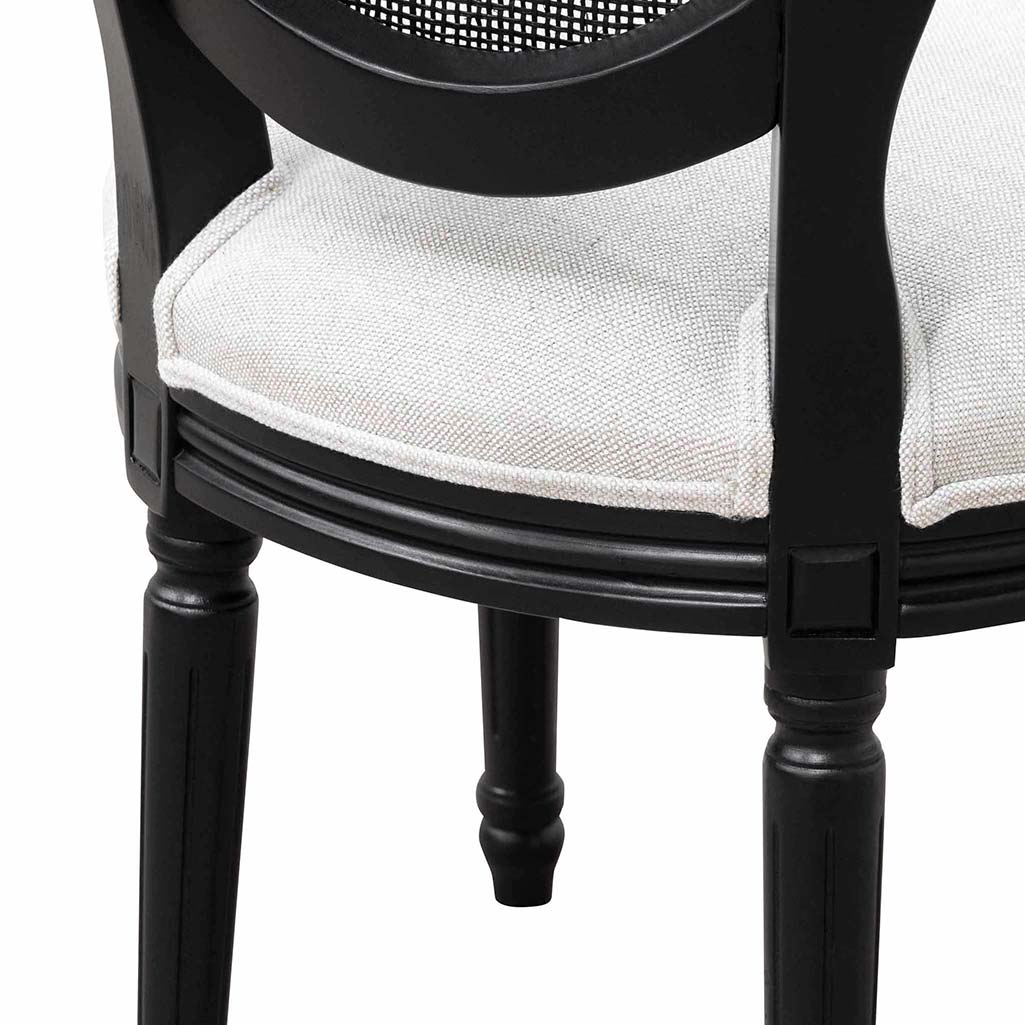




Choosing wooden dining chairs sounds simple until you place them next to your dining table and realise something feels off. The timber tones clash, the chair backs look too tall, the arms do not slide under the table, or the whole dining setting feels heavier than expected. A beautiful chair and a beautiful table can still look wrong together when the proportions, finish, style and everyday function are not considered as one complete setting.
For Australian homes, where dining areas often connect directly with kitchens and living rooms, the dining table is rarely a stand-alone piece. It sits inside an open-plan space, shares light with surrounding furniture, and has to handle family meals, work-from-home moments, weekend guests and casual entertaining. That is why matching wooden dining chairs with your dining table is not just about finding the same timber colour. It is about creating balance, comfort and visual flow.
Start with the Dining Table, Not the Chairs
Your dining table sets the foundation for every chair decision. Before looking at colour or style, consider the table’s shape, leg design, thickness and finish. These features decide what type of chair will feel natural beside it.
Match Chair Shape to Table Shape
A rectangular dining table usually works well with structured wooden side chairs because the straight lines create order and symmetry. This is ideal for longer dining rooms, family homes and formal dining spaces.
Round tables need a softer approach. Curved-back wooden chairs, slim timber frames or chairs with rounded corners help continue the circular flow. Heavy square chairs around a round table often look bulky because they fight against the table’s natural shape.
Oval tables sit between the two. They can carry slightly wider chairs, but the best match is usually a chair with gentle curves, tapered legs or a lighter frame.
Check the Table Base Before Choosing Armchairs
The base of the table affects how comfortably chairs fit. A pedestal table gives more freedom because there are no corner legs blocking movement. A four-leg table needs more careful spacing, especially when using wooden dining chairs with arms.
If the table has a thick apron under the top, measure the space from the floor to the underside before choosing chairs. Armrests that look perfect online can become frustrating if they hit the table every time someone tries to tuck the chair in.
Match Wood Tones Without Making Everything Identical
One of the biggest mistakes people make is trying to match timber exactly. In real homes, perfect matching is difficult because wood changes under different lighting, finishes and grain patterns. A better approach is to create harmony rather than a forced match.
Stay Within the Same Warmth Family
Wood tones generally sit in warm, cool or neutral families. Warm woods have honey, caramel, reddish or golden undertones. Cool woods lean grey, ash or weathered. Neutral woods sit between the two and work with many interiors.
A warm oak table pairs beautifully with natural timber chairs, beige seats or tan upholstery. A grey-washed table looks cleaner with white, black or soft grey wooden chairs. A walnut dining table works well with deep brown, black, cream or leather-accented chairs.
The goal is not to copy the table. The goal is to make the tones feel like they belong in the same room.
Use Contrast When the Table Has Strong Character
If your dining table has a strong timber grain, thick legs or a rustic finish, matching it with equally heavy chairs can make the space feel crowded. Contrast gives the eye somewhere to rest.
For example, a solid farmhouse-style table can look fresher with simple black wooden chairs. A dark walnut table can feel lighter with natural timber or upholstered wooden chairs. A whitewashed table can gain depth from black, rattan or warm oak-toned seating.
Contrast works best when at least one detail connects the table and chairs, such as a shared leg shape, similar finish texture, matching seat colour or repeated accent tone in the room.
Choose the Right Chair Height and Proportions
A dining setting has to feel comfortable before it looks complete. Even a stylish chair becomes a poor choice when the height, width or backrest does not suit the table.
Get the Seat-to-Table Gap Right
For most standard dining tables, the chair seat should leave around 25–30cm of space between the top of the seat and the underside of the table. This gives enough room for legs while keeping the arms and shoulders relaxed during meals.
If the chair seat is too low, people lean forward and the table feels too high. If the seat is too high, knees feel cramped and elbows sit awkwardly. This small measurement makes a big difference, especially for households that use the dining table every day.
Consider Chair Width for Everyday Movement
Wide wooden dining chairs can look luxurious, but they need enough room between table legs. For a compact apartment dining area, slim side chairs usually work better than oversized armchairs. In a larger home, a mix of armchairs at the ends and side chairs along the sides creates comfort without overcrowding the table.
Back height also matters. High-back chairs create a more formal look, while mid-back chairs keep the room open and relaxed. In open-plan Australian homes, mid-back wooden chairs often work well because they do not block sightlines between the kitchen, dining and living areas.
Pair Chair Style with the Table’s Personality
Every dining table has a design language. Matching wooden dining chairs successfully means understanding that language and choosing chairs that either support it or contrast with it in a controlled way.
Coastal and Hamptons Tables Need Lightness
Coastal and Hamptons dining tables often feature white, natural, brushed or weathered finishes. They look best with wooden chairs that feel relaxed and airy. Think natural timber frames, white wooden chairs, rattan details, soft beige seats or cross-back designs.
This pairing works especially well in bright Australian homes, beachside interiors and family dining spaces that need a calm, welcoming feel.
Scandinavian Tables Suit Clean Timber Profiles
Scandinavian-style tables are usually simple, functional and light in tone. Match them with wooden chairs that have tapered legs, curved backs or minimal frames. Natural oak, white, black and muted upholstery all work well in this style.
The key is restraint. Avoid overly ornate chairs beside a clean Scandinavian table because they interrupt the quiet simplicity of the setting.
Traditional Tables Need Structure and Detail
A traditional timber dining table can handle more detail. Chairs with carved backs, upholstered seats, darker timber, leather-look finishes or classic silhouettes help create a sense of permanence.
For a formal dining room, choose chairs with stronger backs and deeper tones. For a more relaxed traditional home, use lighter timber chairs to soften the setting.
Use Colour and Finish to Connect the Dining Area
Wooden dining chairs do not have to stay in raw timber tones. Painted, stained and upholstered finishes can help connect the dining table with the rest of the home.
Natural Wood Creates Warmth and Flexibility
Natural wooden dining chairs are easy to style because they sit comfortably with many table finishes. They bring warmth to white tables, softness to black tables and texture to glass or stone-look tables.
Natural timber is also a practical choice for Australian homes that lean into relaxed, organic interiors. It feels casual enough for daily meals but polished enough for entertaining.
Black Wooden Chairs Add Definition
Black wooden dining chairs create contrast and make the dining area feel more intentional. They work especially well with light oak tables, white dining tables, glass tables and modern timber settings.
Black chairs are useful in open-plan homes because they can visually connect with black pendant lights, window frames, kitchen handles or metal accents.
White Wooden Chairs Keep Smaller Spaces Open
White wooden chairs suit compact dining areas because they feel visually lighter. They pair well with natural timber tables, coastal tables and small apartment dining settings.
To avoid a flat look, balance white chairs with texture. A timber tabletop, woven rug, linen runner or natural pendant can stop the space from feeling too plain.
Walnut and Dark Timber Bring Depth
Walnut wooden dining chairs create a richer mood. They suit darker tables, mid-century designs and interiors with leather, brass, charcoal or deep green accents.
If the room is small, use dark chairs carefully. Pair them with a lighter tabletop, pale walls or soft upholstery so the dining area still feels balanced.

Balance Comfort with Maintenance
The right match is not only visual. A dining chair also needs to suit the way the household lives.
A family with young children needs chairs that are easy to wipe, stable and strong enough for daily use. A couple who entertains often needs comfort for longer dinners. A small apartment needs chairs that slide in neatly and keep walkways open.
Wooden Chairs with Upholstery Add Softness
Wooden chairs with padded seats or upholstered backs are a strong option when the table is used for long meals, homework or laptop work. Upholstery also helps soften a hard timber table, especially when the dining room has timber flooring.
For a busy home, choose darker upholstery, textured fabrics or leather-look finishes that are easier to live with than pale, delicate materials.
Fully Wooden Chairs Are Practical and Timeless
Fully wooden dining chairs are easy to style, easy to clean and visually consistent. They suit casual meals, rental homes, holiday houses and busy kitchens where durability is important.
To keep them comfortable, look for shaped seats, supportive backs and smooth edges rather than choosing based on appearance alone.
Quick Matching Checklist Before You Buy
Use this simple checklist before ordering wooden dining chairs for your table:
-
Measure the table height and the clearance under the tabletop.
-
Check that armchairs can slide under the table without hitting the apron.
-
Match wood tones by warmth, not by exact colour.
-
Choose chair width based on the number of seats you need.
-
Pair heavy tables with lighter chairs to avoid a bulky look.
-
Use black, white or upholstered chairs when the table finish is hard to match.
-
Consider how the chairs look from the living room in open-plan spaces.
-
Pick materials that suit your cleaning routine and household use.
Common Wooden Chair and Table Pairings That Work
Some combinations feel naturally balanced because the proportions, tones and design styles support each other:
-
Natural timber table with white wooden chairs for a fresh coastal look.
-
Oak dining table with Scandinavian wooden chairs for a clean modern setting.
-
Walnut table with black or leather-accented wooden chairs for a richer mood.
-
Farmhouse table with cross-back wooden chairs for classic warmth.
-
Round timber table with curved-back chairs for softer visual flow.
-
Glass dining table with sculptural wooden chairs for warmth and contrast.
-
White dining table with natural wooden chairs for a relaxed everyday space.
-
Dark timber table with upholstered wooden chairs for comfort and depth.
Mistakes to Avoid When Matching Chairs and Tables
A dining setting often looks wrong because of one small mismatch. Avoid choosing chairs based only on the product image. Always think about the table, room and daily use together.
Do not place bulky chairs around a table with thick legs unless the room is spacious. Do not choose armchairs without checking the table apron. Do not mix too many wood tones without a connecting colour. Do not forget the floor either; timber chairs, timber tables and timber flooring need contrast through rugs, upholstery or paint finishes.
Another common issue is choosing chairs that are too formal for the way the table is used. A showpiece chair looks impressive, but comfort matters more when the dining table serves as a homework desk, family meeting point and weekend breakfast spot.
Conclusion
Matching wooden dining chairs with your dining table is about more than finding similar timber. The best dining settings bring together scale, comfort, colour, finish and lifestyle. A chair should fit under the table, support the body, complement the room and handle daily use without making the space feel forced.
For Australian homes, flexibility is especially important. Dining areas often sit at the centre of open-plan living, so the chairs need to connect with the kitchen, flooring, lighting and surrounding furniture. Natural timber brings warmth, black chairs add definition, white chairs open up smaller spaces, and upholstered wooden chairs create comfort for longer meals.
The future of dining room styling is moving toward more personalised combinations rather than perfectly matched sets. A well-chosen mix of timber tones, finishes and chair shapes can make a dining area feel more considered, more comfortable and more connected to real life.
FAQs
Do wooden dining chairs need to match the dining table exactly?
No. They need to complement the table, not copy it. Matching the undertone, style or finish texture is usually enough.
What colour wooden chairs go best with an oak dining table?
Natural, white, black, beige and soft grey wooden chairs work well with oak dining tables, depending on the room style.
Can I use black wooden chairs with a wooden dining table?
Yes. Black wooden chairs create contrast and look especially good with light oak, natural timber and modern dining tables.
Are wooden chairs with arms suitable for every dining table?
Not always. Measure the table height and apron first to confirm the arms can slide under comfortably.
How many wooden dining chairs should I place around my table?
Choose based on table size and chair width. Leave enough space for people to sit, move and pull chairs out comfortably.