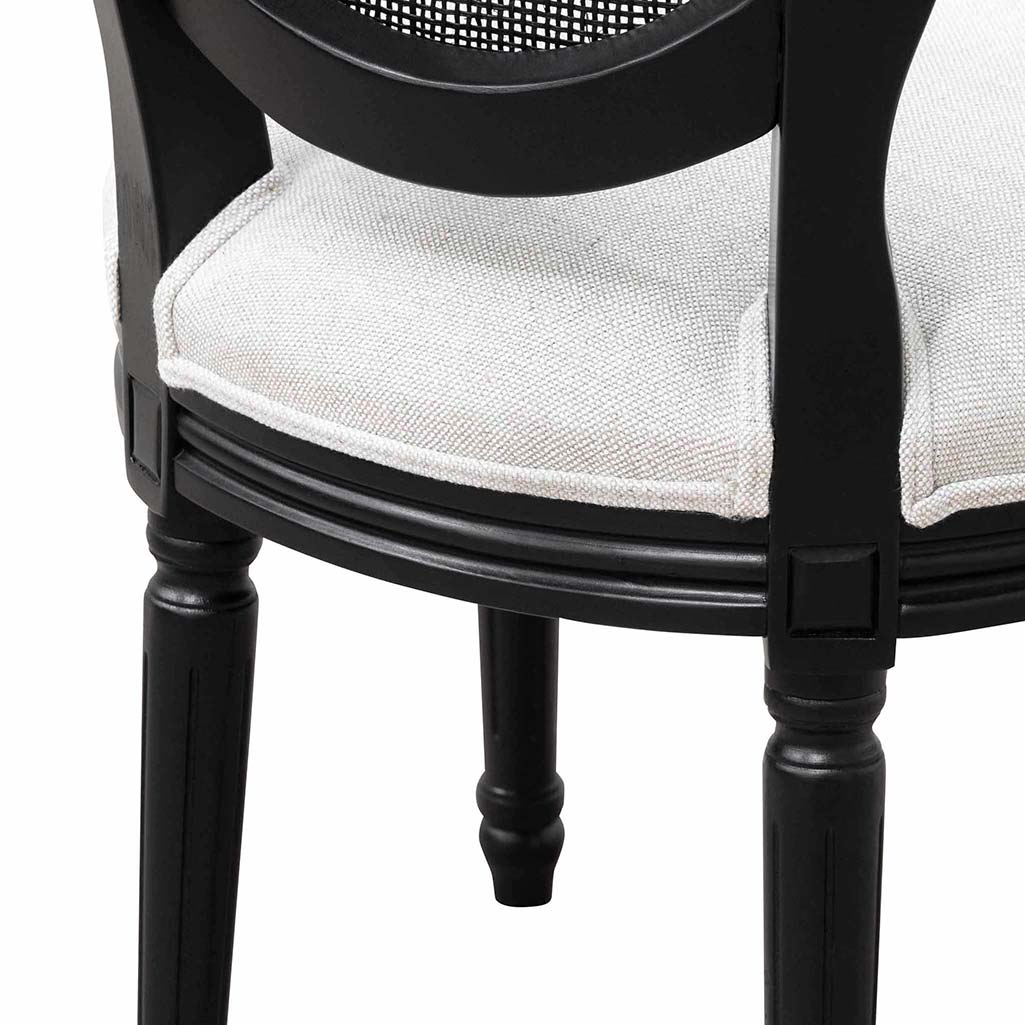




A round dining table can make a dining space feel warmer more social and easier to move around but only when the chairs are chosen properly. The wrong chairs can make a beautiful table feel cramped, awkward or visually heavy. This matters even more in Australian homes, where dining areas often share space with kitchens, lounges or outdoor entertaining zones.
The latest ABS household projections show Australian households are expected to keep growing in number while average household size gradually declines, which means furniture needs to work harder for smaller more flexible living arrangements. Australia’s latest Census housing data also shows a mix of separate houses, townhouses and apartments, so there is no one-size-fits-all dining setup.
Why Chair Pairing Matters More with Round Dining Tables
Round tables are forgiving in some ways: they remove hard corners, soften a room and make conversation feel more natural. But they are also less forgiving when it comes to chair size. With a rectangular table you can often hide bulkier chairs at the ends or vary spacing slightly. Around a round table, every chair is part of the same visual circle.
This is why the chair’s width, back height, leg shape and arm design all matter. A chair that looks perfect in a showroom may feel oversized once six of them are placed around a 120cm or 140cm round table.
For homeowners, the right pairing affects daily comfort, traffic flow and the overall look of the room. For cafés, short stay accommodation and hospitality businesses, it also affects how easily guests sit, move, clean up and enjoy the space.
Start with Table Diameter Before Choosing Chair Style
The smartest way to choose chairs is to begin with the table diameter, not the colour or fabric. Round dining tables are measured across the widest point, and that measurement determines how much chair width you can afford.
Only Dining Chairs’ round dining table collection currently includes a range of widths, with many options between 101cm and 150cm along with 2-person, 4-person, 6-person and 8-person seating filters. The collection also includes pedestal and leg-base designs, which directly influence which chairs will fit best.
Practical Size Guide for Round Tables and Chairs
-
90–110cm round table: Best for 2–4 people. Choose slim, armless chairs with low or open backs.
-
120cm round table: Works well as a comfortable 4-seater. Avoid wide upholstered chairs if you want easy movement.
-
130–150cm round table: Suitable for 4–6 people, depending on chair width. A 150cm round table is more realistic for six adults, especially if the chairs are padded.
-
160cm+ round table: Better for larger dining rooms, entertainers and chairs with arms or wider backs.
Australian furniture size guides commonly place round 6-seater tables around 120–150cm or 150–180cm depending on comfort level, while recent dining layout advice notes that a 120cm round table is more practical for four than six in everyday use.
Get the Chair Height Right First
A dining chair can look beautiful and still feel wrong if the height does not suit the table. Standard dining tables are often around 74–76cm high and standard dining chair seats usually sit around 44–50cm from the floor. The key is the gap between the seat and the underside of the tabletop.
A good target is about 25–30cm of space between the chair seat and the underside of the table. This gives enough room for thighs, allows elbows to rest naturally and prevents shoulders from lifting while eating.
Check These Measurements Before Buying
Measure these points before committing to a set:
-
Seat height: Usually around 44–48cm for most standard dining tables.
-
Chair width: Measure the widest point not just the seat. Curved backs and arms often add extra width.
-
Arm height: Make sure chair arms can tuck under the tabletop if space is tight.
-
Back height: Taller backs look formal but can overpower a small round table.
-
Clearance around the table: Aim for at least 90cm from the table edge to a wall or major obstruction 100–120cm is better in walkways and open-plan rooms.
Match the Chair Shape to the Table Base
The table base is one of the most overlooked parts of chair pairing. A pedestal base and a four-leg base behave very differently.
Pedestal Round Tables
A pedestal base usually gives more leg freedom because there are no table legs at the outer edge. This makes it easier to place chairs evenly around the table. Pedestal tables work particularly well with curved back chairs, light upholstered chairs and even armchairs if the table is large enough.
Four-Leg Round Tables
Four-leg round tables can look elegant, but chair placement needs more care. The chair legs and table legs may clash when people try to tuck in. In this case, choose chairs with narrower front legs, slim frames or slightly angled legs that do not fight with the table structure.
Chunky or Sculptural Bases
Many modern round tables use bold pedestal bases, timber drums or black statement frames. These create a strong centrepiece so the chairs should usually feel lighter. Open-back chairs, rattan chairs slim timber frames or low profile upholstery help stop the setting from looking too heavy.
Choose Materials That Suit Australian Living
Material choice should reflect how the dining space is used. A formal dining room can handle plush upholstery. A family kitchen needs wipeable finishes. A coastal apartment may need lighter textures that keep the room feeling open.
Only Dining Chairs offers common chair categories such as leather, wooden, velvet, upholstered, rattan and metal dining chairs, giving plenty of flexibility for different table finishes.
Timber Round Tables
Timber tables pair naturally with timber, rattan, linen-look upholstery and leather. The mistake is trying to match timber tones too closely. If the table is natural oak or light timber, chairs in rattan, beige fabric, white, black or a slightly deeper timber tone often look more intentional than a near-match that feels slightly off.
Black or Dark Round Tables
Black tables need balance. Pairing them with black chairs can look sleek, but only if the room has enough light and texture. In smaller spaces, use black-framed chairs with lighter seats, tan leather, woven backs or pale upholstery to prevent the setting from becoming visually dense.
Glass, Ceramic or Stone Tops
Glass and ceramic tops already feel smooth and polished. Pair them with upholstered chairs for warmth or slim metal chairs for a contemporary look. Avoid very glossy chairs beside a glossy table unless the room is deliberately modern and minimal.
Outdoor or Alfresco Dining
For patios, balconies and covered outdoor areas, choose chairs that are light enough to move, easy to clean and suited to outdoor conditions. Powder-coated metal, treated timber, resin and outdoor rattan-style materials are practical choices.
Use Colour to Control Visual Weight
Round dining tables naturally draw the eye to the centre of the room. Chairs then form the outer ring, so colour has a big impact on how large or small the setting feels.
If the room is compact, lighter chair colours can make the table feel less dominant. Beige, white, light grey, natural timber and woven textures are useful for apartments, townhouses and breakfast nooks. If the room is large, darker chairs can add structure and make the dining zone feel grounded.
Current interior design trends also support this softer approach. Houzz’s 2025 design trend research highlights organic modern interiors, rounded furniture forms, natural materials, warm tones and curved dining tables as continuing influences in home design.
Be Careful with Dining Chairs with Arms
Dining chairs with arms can look luxurious and feel comfortable, but they are not always the best choice for round tables. Because there is no head of the table every armchair takes up equal perimeter space.
For a 120cm round table, armchairs usually make the setup feel crowded. For a 150cm or larger round table, they become more realistic, especially if the arms are slim and can tuck under the tabletop. If you love the look of armchairs but have limited space, consider using only two statement armchairs and pairing them with simpler armless chairs.
Pairing Ideas for Different Australian Dining Spaces
Small Apartment or Kitchen Nook
Choose a 90–120cm round table with slim armless chairs. Open-back timber, rattan or moulded chairs help maintain visual flow. This works especially well in open-plan spaces where the dining setting is visible from the kitchen and lounge.
NSW apartment design guidance shows why this matters: combined living and dining rooms in apartments often work within minimum widths of 3.6m for studio and one-bedroom apartments and 4m for two and three-bedroom apartments. In spaces like these, chair bulk can quickly affect movement.
Family Dining Room
For families, comfort and maintenance should lead the decision. Choose chairs with supportive backs, stable legs and wipeable surfaces. Upholstered chairs can still work but performance fabric, leather look finishes or removable seat cushions are more practical around children.
Coastal or Hamptons Home
Pair a natural timber round table with white, beige, rattan or light upholstered chairs. Keep the chair profile relaxed rather than overly formal. This creates a calm, airy dining setting that suits Australian coastal interiors without looking staged.
Modern Open-Plan Home
A black, walnut or stone look round table pairs well with sculptural chairs, leather-look upholstery or metal-framed seating. The key is contrast: if the table base is bold, keep the chair backs lighter if the table is simple the chairs can carry more design personality.
Café, Airbnb or Commercial Dining Area
Choose durable armless chairs with consistent widths. Avoid bulky arms and delicate fabrics. Round tables can be excellent for small hospitality settings because they feel friendly and flexible but commercial spaces need enough clearance for guests and staff to move smoothly.
Common Mistakes to Avoid
The most common mistake is assuming that if a table is labelled “6-seater”, any six chairs will fit. In reality six slim dining chairs and six wide upholstered chairs behave very differently around the same table.
Another mistake is ignoring the base. A pedestal table may seat more comfortably than a four-leg table of the same diameter because chair legs and human legs have fewer obstacles. Also avoid choosing chairs only by front view photos. Always check side profile back curve arm height and full width.
Finally avoid making everything too heavy. A thick timber table, chunky base and high-back upholstered chairs can look crowded even in a decent-sized room. Round settings usually look best when there is some breathing room.
Quick Buying Checklist
Before buying chairs for a round dining table, confirm:
-
The table diameter and recommended seating capacity.
-
The chair width at its widest point.
-
The chair seat height and tabletop height.
-
Whether chair arms fit under the table.
-
Whether the base allows chairs to tuck in evenly.
-
At least 90cm clearance around the table where possible.
-
A material that suits your lifestyle not just your mood board.
-
A colour balance that keeps the dining area open, grounded or formal as needed.
Conclusion
Pairing round dining tables with the right dining chairs is about more than matching colours. The best combinations come from understanding scale, clearance, base design, chair height material and how the space is actually used every day.
For Australian homes, this is especially important as dining spaces become more flexible: part family hub, part work zone, part entertaining area and in many homes, part of an open-plan layout. The future of dining furniture is likely to favour pieces that are comfortable, compact, durable and visually softer. A round table already supports that direction; the right chairs complete the experience.
FAQs
What type of chairs look best with a round dining table?
Slim armless chairs, curved back chairs, rattan chairs and light upholstered chairs usually work best. They follow the softer shape of the table without overcrowding it.
How many chairs fit around a 120cm round dining table?
A 120cm round table is most comfortable with four chairs. Six may fit only if the chairs are very narrow but it can feel cramped.
Can I use dining chairs with arms around a round table?
Yes, but only if the table is large enough. Armchairs usually work better with round tables of around 150cm or larger.
Should dining chairs match the table exactly?
Not always. A slight contrast in colour, texture or material often looks more stylish than a perfect match.
What is the ideal dining chair height?
Most dining chairs have a seat height of around 44–48cm. The main goal is to leave about 25–30cm between the seat and the underside of the table.