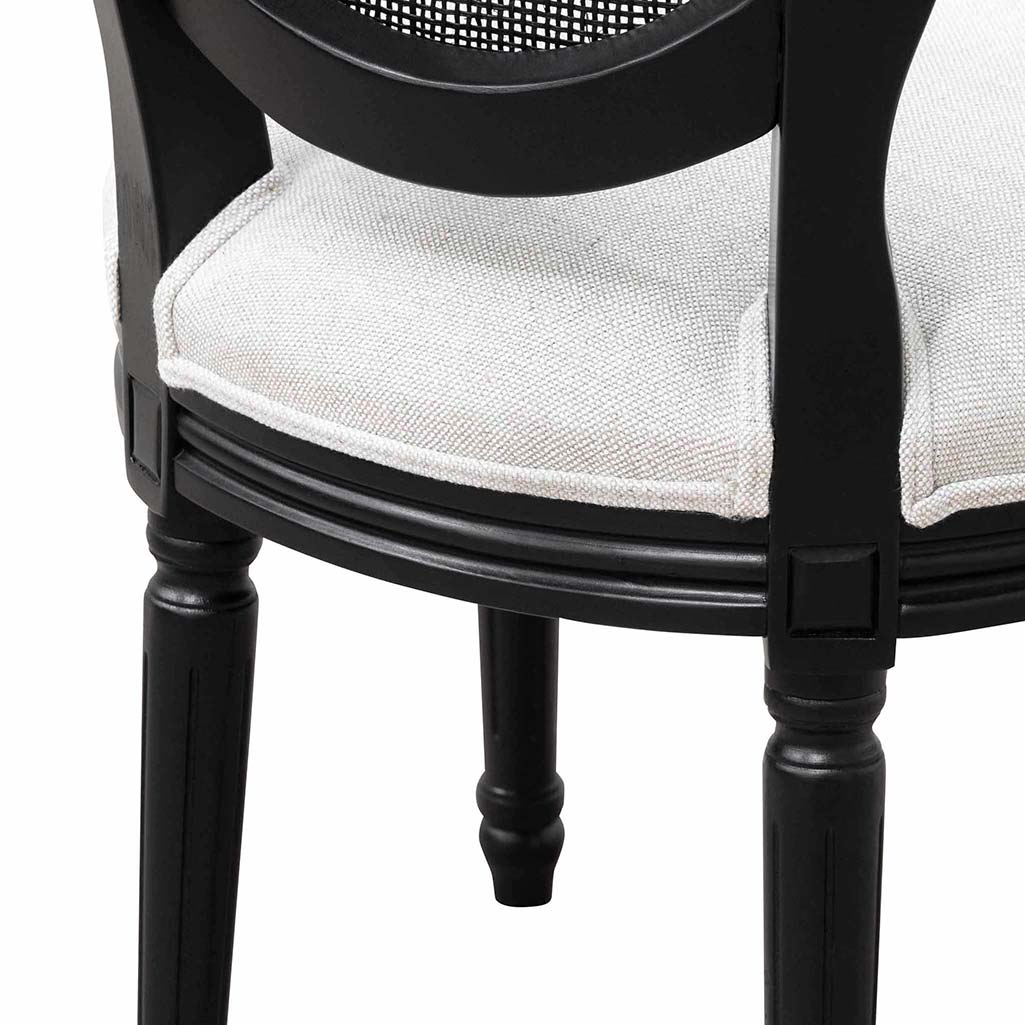




A kitchen or bar area can have beautiful cabinetry, quality benchtops and modern lighting, yet still feel unfinished. Often, the missing piece is seating. Bar stools sit directly in the visual centre of the room, especially in Australian open-plan homes where the kitchen connects with dining and living areas. The right stools do more than provide a place to sit; they shape the mood, balance the materials and make the space feel intentional.
Wooden bar stools are especially effective because they bring natural warmth into areas that often feature hard surfaces like stone, tile, glass, metal and laminate. Whether used around a kitchen island, breakfast bar, home bar or casual entertaining area, they add texture, comfort and a grounded sense of style. Their appeal comes from their ability to look timeless while still fitting modern interiors, coastal homes, apartments, family kitchens and relaxed entertaining spaces.
Why Wooden Bar Stools Create Instant Warmth in Kitchen and Bar Areas
Wood has a natural quality that softens a room without making it feel overly decorated. In kitchens, where many finishes are smooth and practical, wooden bar stools introduce grain, tone and texture. This creates visual balance and stops the space from feeling cold or overly clinical.
They Break Up Hard Kitchen Surfaces
Modern kitchens often include stone benchtops, glossy cabinetry, stainless steel appliances and tiled splashbacks. These materials are durable, but they can create a sharp or flat look when used alone. Wooden bar stools add contrast by bringing in an organic finish that feels softer to the eye.
For example, a white kitchen with a marble-look island can feel more relaxed with natural timber stools. A dark kitchen with black cabinetry can feel warmer with walnut or oak stools. This contrast makes the kitchen feel more inviting without needing major design changes.
They Make the Island Feel Like a Social Zone
The kitchen island is no longer just a preparation area. In many Australian homes, it works as a breakfast spot, homework area, coffee corner, work-from-home seat and weekend gathering place. Wooden bar stools help signal that this area is meant to be used, not just admired.
The material itself feels approachable. Unlike very formal seating, timber has a relaxed everyday character that suits casual meals, conversations and entertaining.
Matching Wooden Bar Stools with Your Interior Style
One of the biggest strengths of wooden bar stools is their versatility. They can suit a wide range of kitchen and bar styles depending on the timber tone, frame shape, seat design and finish.
Light Timber for Coastal and Scandinavian Kitchens
Light wood tones work beautifully in coastal, Hamptons, Scandinavian and minimalist interiors. They pair well with white cabinetry, soft grey stone, pale flooring and natural textures such as linen, rattan and woven pendants.
In a coastal Australian home, light wooden bar stools can make the kitchen feel fresh and airy. They also help create a relaxed holiday-home feel, even in a busy family kitchen.
Walnut and Dark Wood for a More Sophisticated Look
Darker timber tones bring depth and richness. Walnut, dark oak and brown wood finishes work well with black tapware, charcoal cabinetry, brass accents and warm lighting.
This style is ideal for homeowners who want their kitchen or bar area to feel more refined. A dark wood stool can create a boutique bar atmosphere without making the room feel too formal.
Black, White and Mixed-Material Wooden Stools for Modern Homes
Not every wooden stool has to look rustic. Many modern designs combine timber with black frames, white seats, leather-look upholstery, cane, fabric or metal footrests. These combinations are useful when you want the warmth of wood but still need the stool to match a contemporary kitchen.
A black-and-wood stool can suit industrial or modern interiors, while a white-and-natural timber design works well in bright family kitchens.
Choosing the Right Finish for a Cohesive Look
The finish of a wooden bar stool affects how it sits within the overall design. Choosing the right tone helps the stools look connected to the room rather than added as an afterthought.
A simple way to choose is to look at the existing warm and cool tones in the kitchen.
-
Natural oak or light timber suits white, cream, beige, soft grey and coastal palettes.
-
Walnut or dark brown works well with black, navy, deep green, stone and brass accents.
-
White timber frames suit bright kitchens and smaller spaces.
-
Black timber or black-framed stools create contrast in modern and industrial spaces.
-
Rattan or cane details add texture to relaxed, organic and coastal interiors.
The wood does not need to match the floor or cabinetry exactly. In fact, exact matching can sometimes look too forced. A better approach is to match the undertone. Warm timber should sit with other warm finishes, while cooler washed wood suits cooler neutral palettes.
How Stool Shape Changes the Feel of the Room
Material matters, but shape is just as important. The same timber finish can look casual, elegant, compact or bold depending on the stool design.
Backless Wooden Stools Keep the Space Open
Backless wooden bar stools are a smart choice for smaller kitchens or narrow island areas. They can tuck neatly under the bench, keeping walkways clear and maintaining a clean visual line across the kitchen.
They work well when the seating is used for quick breakfasts, coffee or casual chats. Their low profile also lets the island, benchtop and cabinetry remain the main visual features.
Wooden Stools with Backs Feel More Comfortable and Designed
Stools with backs create a stronger furniture presence. They are better suited to kitchens where people sit for longer periods, such as family meals, entertaining or working from the island.
A low-back stool adds support without blocking the view across the kitchen. A higher-back stool feels more like a dining chair and can make the island area feel more like a complete dining zone.
Curved Timber Forms Add Softness
Curved timber backs, rounded seats and tapered legs can make a kitchen feel more relaxed and refined. These shapes are especially useful in spaces with strong straight lines, such as slab cabinetry, square islands and rectangular tiles.
The curve creates movement and prevents the room from looking too rigid.

Getting the Proportions Right for Australian Kitchen Benches
A beautiful stool can still feel wrong if the height or spacing is incorrect. Proportion is one of the most important details when choosing bar stools for a kitchen or bar area.
Most standard kitchen benches need counter-height stools, while taller bar counters need bar-height stools. As a practical rule, there should be enough space between the seat and benchtop for comfortable legroom. This usually means leaving around 20–30cm between the stool seat and the underside of the counter.
Spacing also matters. If stools are placed too close together, the area looks crowded and becomes uncomfortable to use. Leave enough room for people to sit, turn and move their arms without bumping into each other.
For a clean look, choose fewer well-spaced stools instead of squeezing in too many. A kitchen island with three properly spaced stools often looks more premium than one crowded with four.
Using Wooden Bar Stools to Connect Open-Plan Spaces
In open-plan homes, the kitchen is visible from the dining and living areas. This means bar stools need to work as part of the larger interior, not just the kitchen.
Wooden stools can help connect different zones. For example, if the dining table has timber legs or the living room includes a wooden coffee table, timber stools can visually link the spaces together. This creates flow and makes the home feel more considered.
Repeating Timber Creates Design Harmony
Repeating wood in small amounts across the room makes the interior feel cohesive. The stools do not need to match every piece of furniture, but they should feel related.
A natural timber stool can connect with timber flooring, shelving, pendant light details or dining furniture. This creates a subtle rhythm that makes the whole space feel balanced.
Contrast Can Make the Design More Intentional
Wooden bar stools can also be used as a contrast feature. In a sleek all-white kitchen, darker stools create definition. In a dark kitchen, light timber adds relief. In a neutral kitchen, rattan or textured timber adds character.
The key is to make the contrast look deliberate. Repeat at least one element elsewhere, such as black legs with black tapware or natural timber with a wooden dining table.
Practical Features That Help Maintain the Aesthetic
A good-looking stool should also work well in everyday life. Kitchen and bar seating gets used frequently, so practical details affect how the stools look over time.
When choosing wooden bar stools, pay attention to:
-
A sealed or easy-clean finish for food, drink and daily handling.
-
A strong footrest to improve comfort and reduce scuffing on the frame.
-
Floor glides or protective feet to prevent scratches on tiles or timber floors.
-
A seat shape that supports how long people usually sit.
-
A frame width that suits the island without blocking walkways.
-
Upholstery or seat pads for extra comfort in family and entertaining spaces.
These details are not just functional. They help the stools stay neat, comfortable and visually polished for longer.
Why Wooden Bar Stools Work for Both Homes and Hospitality Spaces
Wooden bar stools are not limited to home kitchens. They are also valuable for small cafes, boutique bars, Airbnb properties, display homes and casual dining spaces. Their natural finish creates a welcoming atmosphere, which is important in places where people want to feel comfortable quickly.
For homeowners, wooden stools make daily routines more enjoyable. For businesses, they help create a warm first impression and a more memorable interior. A well-chosen stool can make a bar area feel premium without needing excessive decoration.
In short-stay accommodation, timber stools also photograph well. They make kitchen and dining areas look styled, practical and inviting, which helps the space feel more appealing to guests.
Common Styling Mistakes to Avoid
Wooden bar stools are versatile, but the wrong choice can affect the balance of the room. One common mistake is choosing stools that are too tall for the bench. This makes the seating uncomfortable and visually awkward.
Another mistake is ignoring the scale of the kitchen. Heavy stools with thick backs can overwhelm a small apartment kitchen, while very slim stools can look underwhelming beside a large island.
It is also important not to mix too many timber tones without a plan. A room with warm oak floors, cool grey timber stools and dark brown furniture can feel visually disconnected. Keep the undertones consistent or use contrast carefully.
Finally, avoid choosing purely for appearance. A stool that looks beautiful but feels uncomfortable will not support everyday use. The best wooden bar stools balance style, comfort and proportion.
Conclusion
Wooden bar stools can completely change the look and feel of a kitchen or bar area. They add warmth to hard surfaces, create a more inviting island, connect open-plan spaces and bring natural texture into everyday living. Their strength lies in their ability to suit many interiors, from coastal Australian kitchens to modern apartments, family homes and relaxed entertaining spaces.
The best results come from choosing the right timber tone, height, shape and practical features. A light timber stool can make a kitchen feel fresh and open. A walnut or black wooden stool can add depth and sophistication. A backless design can keep a compact area clean, while a stool with a back can make the island feel more comfortable and social.
As Australian homes continue to favour open-plan layouts and multi-use kitchens, wooden bar stools will remain a smart design choice. They are practical, visually warm and flexible enough to adapt as interior trends change. When selected thoughtfully, they do not just complete the kitchen; they help define the way the space is lived in.
FAQs
Are wooden bar stools suitable for small kitchens?
Yes. Backless or slim-frame wooden bar stools work well in small kitchens because they tuck under the bench and keep the area open.
What height wooden bar stool should I choose?
Measure your bench first. Counter-height stools usually suit standard kitchen benches, while taller bar stools suit raised bar counters.
Do wooden bar stools need to match the kitchen cabinets?
No. They should complement the undertone of the cabinets, flooring or benchtop rather than match everything exactly.
Are wooden bar stools comfortable for daily use?
Yes, especially when they have a shaped seat, footrest or back support. For longer sitting, choose a stool with a back or padded seat.
How many bar stools should I place at a kitchen island?
Choose comfort over quantity. Leave enough space between stools so people can sit, move and turn without feeling crowded.