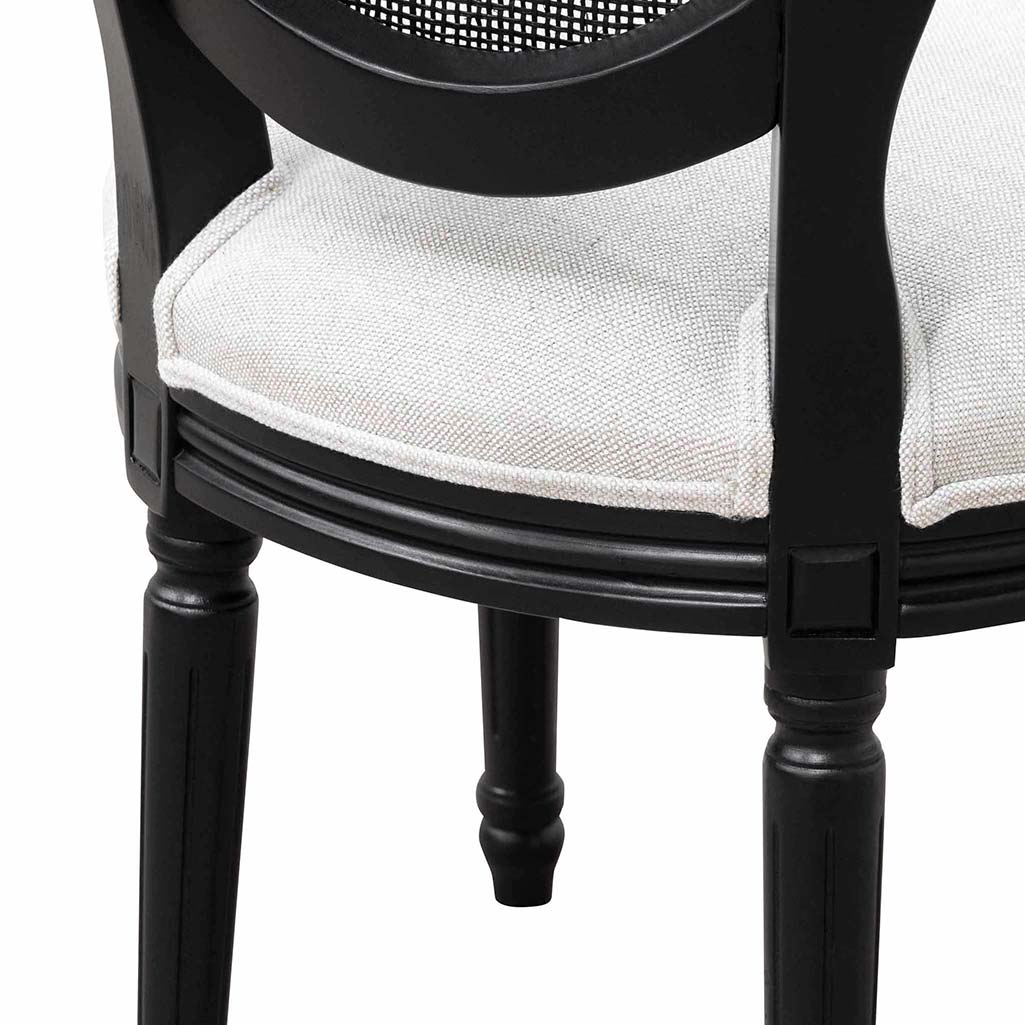




Put a natural rattan chair next to a good synthetic one in a product photo and most people can't tell them apart. That's exactly where the trouble starts. The two look almost identical on screen, but the material underneath decides whether your chairs still look great in three summers or start to crack, sag and fade well before then.
In Australia that gap matters more than it does almost anywhere else. Our sun is brutal, coastal homes deal with salt and humidity, and inland heat can dry timber and cane out until it splits. So "which one should I buy" isn't really an aesthetics question. It's a question about where the chairs will live and how hard your climate is going to work against them. Here's how the two materials actually differ once you get past the catalogue shot.
What "rattan" actually means (and why wicker isn't a material)
Before comparing them, it helps to clear up a mix-up that trips up almost every shopper. Rattan is a material. Wicker is a technique. You can weave wicker out of natural rattan, or out of synthetic strands, or out of paper cord, so a "wicker chair" tells you how it was made, not what it's made from.
Natural rattan comes from a climbing palm that grows through the forests of Southeast Asia. The solid poles form the frame, and the outer skin gets peeled into thin strands, called cane, for the woven sections. It's genuinely a plant, so no two lengths are the same.
Synthetic rattan goes by a few names: poly rattan, resin wicker, PE rattan. The good stuff is made from HDPE, a plastic extruded into strands that are then woven, almost always over an aluminium or steel frame. It's engineered to imitate the look of cane while behaving like outdoor plastic.
How they hold up in Australian conditions
This is the part that changes the decision, so it's worth spending time on.
Natural rattan is an indoor material, full stop. Direct sun dries it out and lifts the colour over time. Damp does the opposite and invites mould into the weave, which is a real risk in humid coastal spots and poorly ventilated rooms. Leave a natural cane chair out on an exposed patio through a Queensland wet season or a Perth summer and you'll see the difference within a year. Kept inside, out of harsh window light, it can last decades.
Synthetic rattan was built for the conditions natural cane hates. Quality HDPE is UV stabilised, so it resists the fading that our sun causes faster than most people expect. It shrugs off rain, spilled drinks and salt air, which makes it the sensible pick for alfresco dining, undercover patios and anywhere near the coast. The catch is that quality varies wildly. Cheap PVC-based versions go brittle and yellow after a couple of seasons, and once a strand cracks there's no fixing it. If you go synthetic for an outdoor setting, the material grade is the thing to ask about, not the price tag.
For the classic Australian indoor-outdoor floorplan, this is usually the deciding factor. Chairs that never leave the dining room can happily be natural. Chairs that spend any real time under the sky should be synthetic.
The look and feel up close
Photos flatten everything, so here's what you actually notice standing next to each one.
-
Natural rattan has warmth and small irregularities in the weave. It's the honey-toned, slightly imperfect texture people picture when they think "rattan," and it develops a patina as it ages.
-
Synthetic rattan is more uniform, because it's manufactured. On premium chairs that consistency looks clean and deliberate. On cheaper ones it can read a little flat or plasticky, especially where the light hits it.
-
Natural cane feels lighter and drier to the touch. Synthetic has a smoother, slightly waxy surface.
-
Colour behaves differently over time. Natural lightens and mellows. Synthetic holds its shade if it's UV treated, or fades unevenly if it isn't.
If your dining room leans warm, textural and a bit lived-in, natural is hard to beat. If you want a crisp, matched set that stays looking new, synthetic tends to suit that better.
Comfort, weight and everyday use at the table
Dining chairs get more abuse than most furniture. People lean back, drag them across the floor and sit in them for hours over a long lunch, so the frame matters as much as the weave.
Natural rattan chairs are usually built on a cane or bentwood frame, which keeps them light and easy to move. That lightness is lovely day to day, though a poorly made one can flex if someone tips back on two legs. Synthetic chairs almost always hide a metal frame under the weave, so they're heavier and more stable but less nimble to shuffle around. If you've got kids who rock on their chairs, or a heavy dining table you're pairing them with, that extra rigidity is worth having. Cushions do a lot of the comfort work either way, since raw woven seats can leave the classic waffle imprint after a long dinner.
Cleaning and upkeep, side by side
Neither is high maintenance, but they ask for different things.
-
Natural rattan: dust it regularly, wipe with a barely damp cloth, and dry it straight away. Never soak it. Keep it out of prolonged direct sun, and treat it occasionally with a suitable oil or lacquer if the finish starts looking thirsty. Spills need dealing with quickly so moisture doesn't sit in the weave.
-
Synthetic rattan: hose it down, wipe with soapy water, done. It doesn't mind getting wet and won't rot, which is the whole point. The main upkeep is clearing grit out of the weave so it doesn't scratch, and checking that a cheaper grade isn't starting to crack.
The short version: natural asks for gentle, consistent care. Synthetic forgives neglect.

Price, lifespan and long-term value
Sticker price and true cost aren't the same thing here. Natural rattan usually sits in the mid-to-upper range because it's harvested, cured and often hand-woven. Synthetic covers a huge spread, from disposable to genuinely premium, depending on the plastic grade and the frame.
Where it gets interesting is longevity in context. A well-made natural chair kept indoors can outlive several rounds of trendy furniture, and if the weave ever gives out, a specialist can re-cane it rather than binning the whole thing. A quality synthetic chair used outdoors will comfortably outlast a natural one in the same spot, because the natural one shouldn't have been there in the first place. Put either material in the wrong environment and the value equation collapses. Matched to the right setting, both can be a genuinely good buy.
Sustainability, without the spin
This one deserves an honest answer rather than a marketing one. Natural rattan is a fast-growing, renewable plant that biodegrades at the end of its life, which gives it a real edge on paper. Synthetic rattan is plastic, and no amount of framing changes that.
The complication is longevity. A synthetic chair that lasts fifteen years outdoors may have a smaller footprint than a natural one that gets ruined in two and thrown out. So the greenest choice is usually the one that survives longest where you actually put it. Buy natural for indoors, buy a high grade of synthetic for outdoors, and avoid the throwaway cheap end of either, and you're already making the sensible call.
So which one should you buy?
Strip away the detail and it comes down to location.
Choose natural rattan if the chairs live indoors, you love warmth and texture, and you don't mind a little routine care. Choose synthetic if they'll spend time outside or in a covered alfresco area, if you want a low-fuss set that stays looking sharp, or if you're near the coast. If you want one look to flow from your dining room out to the deck, a good synthetic set is the practical way to keep it consistent without babysitting the weather.
The bottom line
Natural and synthetic rattan aren't better or worse than each other. They're built for different jobs. Natural rewards you with real material character and repairability as long as you keep it out of the elements. Synthetic trades a touch of that soul for the ability to laugh off sun, rain and salt. Get the match right between material and setting and either will serve you for years. Get it wrong and even the prettiest chair becomes a mistake you look at every dinner. Decide where the chairs will actually live first, then let that pick the material for you.
FAQs
Can natural rattan dining chairs be used outdoors?
Not really. Sun dries and fades them and damp invites mould, so they're best kept indoors. For outdoor or alfresco dining, choose synthetic rattan.
Is synthetic rattan just cheap plastic?
The good grades aren't. Quality synthetic uses UV-stabilised HDPE over a metal frame and lasts years outdoors. Cheap PVC versions do go brittle and yellow, which is why the material grade matters more than the price.
How can I tell natural from synthetic rattan?
Look and feel up close. Natural has slight irregularities, a drier texture and warm colour variation. Synthetic is more uniform with a smoother, slightly waxy surface, and it usually has a metal frame you can feel through the weave.
Which lasts longer?
It depends on where you put them. Indoors, natural can last decades and be re-caned if needed. Outdoors, quality synthetic wins easily because natural isn't built for weather.
Do rattan dining chairs need cushions?
They're more comfortable with them. Woven seats can leave imprints and feel firm over a long meal, so a cushion makes a noticeable difference on both types.