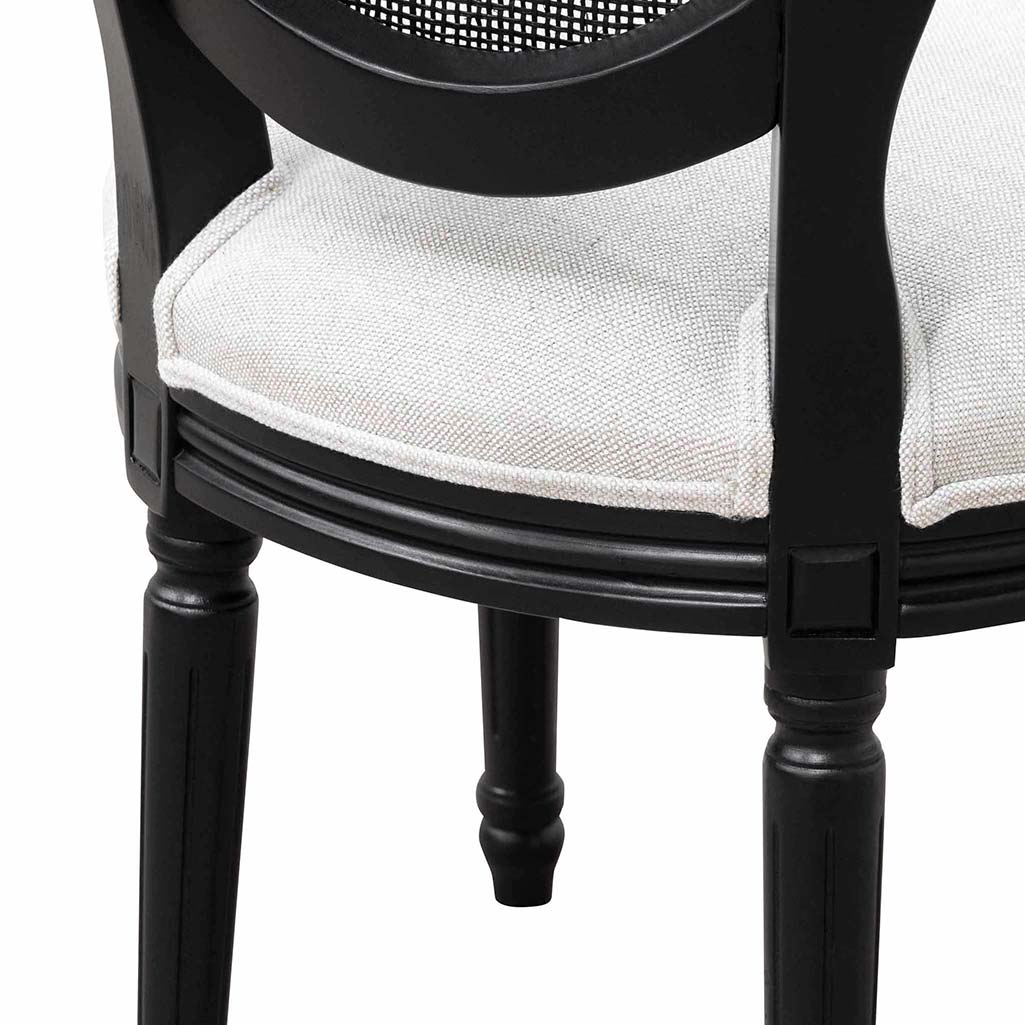




A dining room can start to feel tired long before the rest of the home does. The table may still be functional the layout may work and a full renovation may not be necessary yet the space can feel flat heavy or disconnected from the relaxed way many Australian homes are now used.
That is where rattan dining chairs earn their place. They bring texture, warmth and a natural feel without forcing you to replace every piece of furniture. In a climate and lifestyle shaped by open-plan living, coastal influences and indoor-outdoor entertaining, rattan offers a softer alternative to fully upholstered, metal or plastic dining chairs.
This shift also fits a wider Australian home-improvement pattern. KPMG Australia reported that renovation spending rose from 34.2% of total residential construction spend in 2018–19 to 40% in 2023–24 while new private residential construction per capita fell to its lowest level since 1987–88. In other words many homeowners are improving the homes they already have rather than starting again.
Why Rattan Dining Chairs Suit Australian Homes
Australian interiors often need to do several jobs at once. The dining area may be a family meal zone a work-from-home overflow space, a weekend entertaining spot and part of an open-plan kitchen. Rattan dining chairs suit this reality because they feel casual without looking unfinished.
Rattan also aligns with the current move towards warmer more natural interiors. Australian design commentary for 2025 highlights warm neutrals coastal colour palettes textured finishes and stronger indoor-outdoor connections as key directions for local homes. Rattan works well in that setting because it adds texture without making the room feel visually heavy.
For example, a timber dining table with solid timber chairs can sometimes look dense in a smaller apartment or townhouse. Replace the chairs with woven rattan or cane-back dining chairs and the same table feels lighter, more breathable and more relaxed.
Rattan, Cane and Wicker: What Is the Difference?
These terms are often used together, but they do not mean exactly the same thing.
Rattan is the natural material
Rattan is a fast-growing, lightweight climbing palm used in furniture and woven products. WWF describes rattan as a naturally renewable non-timber forest product that can be harvested without cutting down trees, although responsible sourcing still matters.
Cane is part of the rattan plant
Cane usually refers to the outer skin of the rattan plant. It is commonly used for chair backs and woven panels because it has a lighter, smoother appearance. Only Dining Chairs also explains that cane is separated from the tough outer skin of rattan and is naturally pale and less porous than other parts of the plant.
Wicker is a weaving style
Wicker is not a plant. It is a weaving technique that can use natural materials, synthetic fibres or a combination of materials. This is why you may see natural rattan chairs, cane dining chairs and PE wicker outdoor dining chairs in the same broader category.
The Design Value of Rattan: Texture Without Clutter
One of the biggest advantages of rattan dining chairs is that they add detail without overwhelming the room. The woven surface creates pattern but because the material is usually neutral, it does not compete with artwork, rugs, lighting or tableware.
This is especially useful in open-plan Australian homes, where the dining setting is often visible from the kitchen and living area. A rattan chair can act as a visual bridge between timber flooring, stone benchtops, linen curtains, indoor plants and outdoor views.
Where rattan works best
Rattan dining chairs are particularly effective in:
-
Coastal homes with white, beige, sand, oak or light timber tones.
-
Hamptons style interiors with white tables, panelled walls or soft blue accents.
-
Modern organic spaces with stone, timber, linen and curved forms.
-
Smaller dining areas where bulky upholstered chairs may feel too heavy.
-
Covered alfresco spaces, provided the chair materials are suitable for outdoor use.
The Only Dining Chairs cane, wicker and rattan collection reflects this variety with coastal, Hamptons, natural, black, outdoor, armchair and set-of-two options available across the category.
How to Style Rattan Dining Chairs With Different Tables
Rattan is versatile but the best result comes from matching the chair style to the table, flooring and overall mood of the room.
With a timber dining table
This is the most natural pairing. Light oak, mango wood, teak and reclaimed timber all work beautifully with rattan. The key is contrast. If your table is very warm or golden, choose a chair with a lighter cane seat or black frame to stop the room from looking too yellow.
With a white dining table
White tables and rattan chairs create a fresh coastal look. This combination works especially well in apartments, beach houses and homes with lots of natural light. Add linen napkins, ceramic tableware and warm pendant lighting to keep the space from feeling too stark.
With a black or dark dining table
Black-framed rattan chairs can make a dining room feel more refined and contemporary. This is a strong option if you like natural texture but do not want a beachy look. Pair with smoked glass, dark timber, stone or matte black lighting for a more urban finish.
With a stone or marble-look table
Stone surfaces can feel cool and formal. Rattan softens that effect. A cane-back or woven seat chair introduces warmth and makes the dining setting feel more inviting for everyday use not just special occasions.
Choosing Rattan Dining Chairs for Real-Life Use
A chair can look beautiful online, but it still needs to suit how the household actually lives.
For families
Look for stable frames, easy-clean surfaces and designs without too many delicate gaps where crumbs can collect. Chairs with timber or metal frames can offer extra structure, while woven backs bring the natural look.
For apartments and smaller dining rooms
Choose armless rattan dining chairs if you need to fit more seats around the table. Armchairs are comfortable but they take up more space and may not tuck neatly under every table.
For entertaining
If you host often, comfort matters. A slightly curved back, supportive seat and generous width can make long dinners more enjoyable. Mixing two rattan dining armchairs at the ends of the table with simpler side chairs along the sides can also create a designer look without overcrowding the setting.
For indoor-outdoor areas
Check the product material carefully. Natural rattan is best kept indoors or in protected spaces, while outdoor dining chairs may use synthetic wicker, metal frames or weather-suitable finishes. The Only Dining Chairs collection includes both natural-looking rattan styles and outdoor-oriented options such as PE wicker and metal rattan dining chairs.
What to Check Before Buying Rattan Dining Chairs
A good rattan dining chair should feel balanced, practical and suited to your table — not just attractive in product photos.
Before ordering, check:
-
Seat height: Make sure the chair sits comfortably with your dining table.
-
Chair width: Measure how many chairs can fit without elbows touching.
-
Arm clearance: If choosing armchairs, check whether they slide under the tabletop.
-
Frame material: Timber feels warm and natural; metal can suit outdoor or contemporary settings.
-
Weave quality: A tighter, more even weave usually looks better and feels more durable.
-
Indoor vs outdoor suitability: Do not assume all rattan-look chairs are made for exposed outdoor use.
-
Colour tone: Natural, whitewash, black and brown rattan each create a different mood.
Care Tips to Keep Rattan Looking Good
Natural rattan, cane and wicker need gentle maintenance. They are not difficult to care for, but they do not respond well to neglect, harsh chemicals or constant moisture.
Freedom’s furniture care advice recommends vacuuming natural wicker and rattan regularly, wiping with a damp soft cloth, cleaning stains with a mild soap solution and keeping pieces out of direct sunlight to reduce fading. It also warns against allowing natural wicker or rattan to stay wet or damp because mould and mildew can affect natural fibres.
For everyday care:
-
Vacuum the weave with a soft brush attachment.
-
Wipe spills quickly with a lightly damp cloth.
-
Avoid soaking the chair or using harsh cleaners.
-
Keep natural rattan away from prolonged rain and harsh direct sun.
-
Use seat cushions if the chair is used daily by children or guests.
-
Dry thoroughly after cleaning to prevent moisture sitting in the weave.
Sustainability: Why Sourcing Matters
Rattan can be a smart natural material choice but sustainability depends on how it is harvested and processed. WWF notes that rattan grows around trees and depends on healthy forests, meaning responsibly managed rattan can support forest conservation and local livelihoods. However, WWF also warns that over-harvesting and conventional processing methods can create environmental problems.
For shoppers, the takeaway is simple: choose quality over throwaway furniture. A well-made dining chair that lasts for years is usually a better decision than a cheaper piece that needs replacing quickly. Look for clear product information, strong frames, good construction and a style you will still like beyond the current season.
Why Rattan Is More Than a Trend
Rattan dining chairs are popular because they solve a real design problem: they make a dining space feel warmer, lighter and more lived-in without requiring a major renovation.
They also fit the way Australian homes are evolving. Dining rooms are less formal than they used to be, but they are still important. They are where family routines happen, where guests gather, where laptops are opened, and where everyday meals become part of the rhythm of the home.
That flexibility is what makes rattan so useful. It can look coastal, classic, modern, rustic or refined depending on the frame, colour and table pairing. It is not limited to one interior style.
Conclusion
Rattan dining chairs offer one of the most effective ways to refresh a dining space without changing the whole room. They bring natural texture, visual lightness and a relaxed Australian feel, while still working with timber, white, black, stone and mixed-material interiors.
The best result comes from choosing chairs that suit your lifestyle, not just your mood board. Think about comfort, chair size, frame strength, maintenance and whether the chair is intended for indoor or outdoor use. As more Australians focus on improving existing homes, natural furniture choices like rattan are likely to remain relevant not because they are trendy but because they make everyday spaces feel warmer more practical and more connected to nature.
FAQs
Are rattan dining chairs durable?
Yes, well-made rattan dining chairs can be durable, especially when supported by a strong timber or metal frame. Natural rattan should be protected from excess moisture and harsh sun.
Can rattan dining chairs be used outdoors?
Some can, but not all. Natural rattan is better indoors or in covered areas. For exposed outdoor dining, look for outdoor-rated wicker, PE rattan or weather-resistant frames.
What table looks best with rattan dining chairs?
Timber, white, black and stone dining tables all work well. Timber creates warmth, white feels coastal, black looks modern and stone becomes softer when paired with rattan.
Are cane and rattan dining chairs the same?
Not exactly. Rattan is the plant material, while cane is usually the outer skin of the rattan plant used for woven panels and chair backs.
How do you clean rattan dining chairs?
Vacuum the weave regularly, wipe with a soft damp cloth, clean spills with mild soap and dry thoroughly. Avoid soaking natural rattan or using harsh chemical cleaners.