



Australian dining spaces are changing. Open-plan apartments, compact townhouses, smaller dining nooks and multi use kitchen zones are now part of everyday living. For many households the dining table is no longer placed in a separate formal room; it often sits between the kitchen island, lounge area, hallway, balcony door or study corner. That makes shape just as important as style.
This is where round dining tables have become a smart design choice. They save usable space, soften a room visually, make conversation easier and create a more relaxed dining experience without making the home feel crowded. In a market where Australians are investing more carefully in furniture and household goods a round table offers something valuable: everyday practicality with timeless elegance. ABS data shows household goods retailing rose 2.3% in June 2025 while furniture, floor coverings, houseware and textile goods rose 3.0% in the same month, showing continued interest in home improvement despite cost-conscious spending.
Why Round Dining Tables Suit Modern Australian Homes
Smaller Homes Need Smarter Furniture Choices
Space efficiency has become a real design priority, not just a styling preference. HIA reported that the average floor area of detached homes across Australia was 250m² in March 2024, down from 255m² in March 2019. In capital cities the average detached home size was 246m², down from 256m² in 2019. New apartments averaged just over 118m² in 2022/23, which reinforces why furniture needs to work harder in compact layouts.
A rectangular table can look beautiful, but it often demands a longer wall, clearer corners, and more structured chair placement. A round dining table uses the centre of the room more efficiently. Because it has no sharp corners, people can move around it more naturally, which is especially useful in apartments, open-plan kitchens, and narrow dining zones.
Australia’s Household Mix Is Also Changing
The ABS projects Australian households to grow from 10.0 million in 2021 to between 13.3 million and 13.9 million by 2046. Lone-person households are also projected to make up 26% to 28% of all households by 2046, while family households remain the largest group.
That matters because not every home needs a large six- or eight-seater rectangular table. Many people want a table that works for weekday meals, remote work, coffee with a friend, children’s homework, and occasional entertaining. A round table supports that flexible lifestyle without dominating the room.
The Space-Saving Advantage of a Round Dining Table
No Corners Means Better Movement
The biggest functional benefit of a round dining table is simple: there are no corners to bump into or plan around. In smaller rooms, corners create “dead zones” where movement becomes awkward. A round table removes those pressure points and makes circulation feel smoother.
For example, in a compact apartment dining area, a 120cm round table can often feel less intrusive than a rectangular table of similar seating capacity because chairs can be arranged evenly around the edge. Many Australian dining size guides suggest 100–120cm round tables for 2–4 people and 120–130cm round tables for 4–6 people, depending on chair width and comfort expectations.
Better Fit for Open-Plan Living
Open-plan homes need furniture that creates zones without building visual barriers. A round dining table naturally defines a dining area while keeping sightlines open between the kitchen, living room, and outdoor space.
This is especially helpful in homes where the dining table sits near:
-
A kitchen island or breakfast bar
-
A sliding balcony or patio door
-
A lounge walkway
-
A compact wall niche or bay window
-
A combined living and dining room
The circular form feels softer than a long rectangular table, helping the space look less crowded. This makes round tables particularly effective in coastal, Scandinavian, modern farmhouse, Japandi, and contemporary Australian interiors.
Round Tables Create a More Social Dining Experience
Everyone Feels Included
A round dining table removes the “head of the table” effect. No one is pushed to the end, and everyone sits at a similar distance from the centre. This makes conversation more balanced, which is useful for family meals, dinner parties, card games, and casual weekend breakfasts.
The Reserve Bank of Australia has noted that average household size declined from around 2.9 people in the mid-1980s to around 2.5 since the early 2000s, with more recent lows slightly below 2.5 people per household. Smaller household sizes often mean dining furniture needs to feel intimate for daily use, not oversized for rare occasions.
Easier Sharing and Serving
Round tables also make shared dining easier. Dishes, drinks, condiments, and serving boards are closer to everyone, particularly on tables between 100cm and 140cm in diameter. This suits relaxed Australian dining habits, from family-style meals to weekend brunches and casual entertaining.
A rectangular table can feel formal and linear. A round table feels more connected. For homes where dining is about conversation rather than ceremony, that difference matters.
Choosing the Right Round Dining Table Size
A round dining table only saves space when the size matches the room. The table should feel generous enough for plates and serving dishes, but not so large that chairs block walkways.
Here are practical size guidelines:
-
90–100cm round table: Best for two people or a small breakfast nook.
-
110–120cm round table: Ideal for three to four people in apartments or compact dining rooms.
-
120–130cm round table: Works well for four people and can sometimes seat six with slim chairs.
-
140–150cm round table: Better for regular six-person dining, especially with upholstered or armchair-style dining chairs.
-
160cm+ round table: Best for larger dining rooms because the centre can become harder to reach.
Clearance is just as important as table diameter. Recent dining planning guides commonly recommend around 900mm clearance for comfortable chair pull-back, while 1050–1200mm is more realistic where people need to walk behind seated diners.
Material Choices That Make Round Tables Feel Elegant
Timber for Warmth and Everyday Durability
Wooden round dining tables remain popular because they bring natural warmth into the home. Light oak, ash, walnut tones, and black-stained timber work especially well in Australian interiors. A timber table also pairs easily with upholstered, rattan, velvet, leather, or wooden dining chairs.
For busy homes, look for finishes that are easy to wipe down and less likely to show minor marks. Rounded edges are also family-friendly because they feel softer in tight dining areas.
Glass for Visual Lightness
A glass round table can make a small room feel larger because it allows light to pass through. This works well in apartments, darker dining zones, and rooms with heavier flooring or cabinetry.
The trade-off is maintenance. Fingerprints, dust, and smudges show more easily on glass, so it suits buyers who want a lighter look and do not mind regular cleaning.
Marble, Stone-Look, and Ceramic Finishes for Statement Appeal
Stone-look round dining tables are strong visual anchors. They work well when the dining area needs a premium focal point, especially in open-plan homes where the table is visible from the kitchen and lounge.
A round marble-look table can feel luxurious without needing a large footprint. Pairing it with slim dining chairs prevents the setting from feeling too heavy.
Why Pedestal Bases Are a Hidden Space-Saving Feature
One reason round dining tables work so well is the pedestal base. Unlike four-leg tables, pedestal designs free up legroom and make it easier to fit chairs around the table. This is particularly helpful when seating numbers change from day to day.
A pedestal round table also makes cleaning easier because there are fewer legs to vacuum or mop around. In real homes, that practical detail matters. A table may look elegant in a showroom, but it needs to work during school mornings, dinner prep, quick lunches, and weekend guests.
Styling Round Dining Tables with the Right Chairs
Match Chair Shape to Table Function
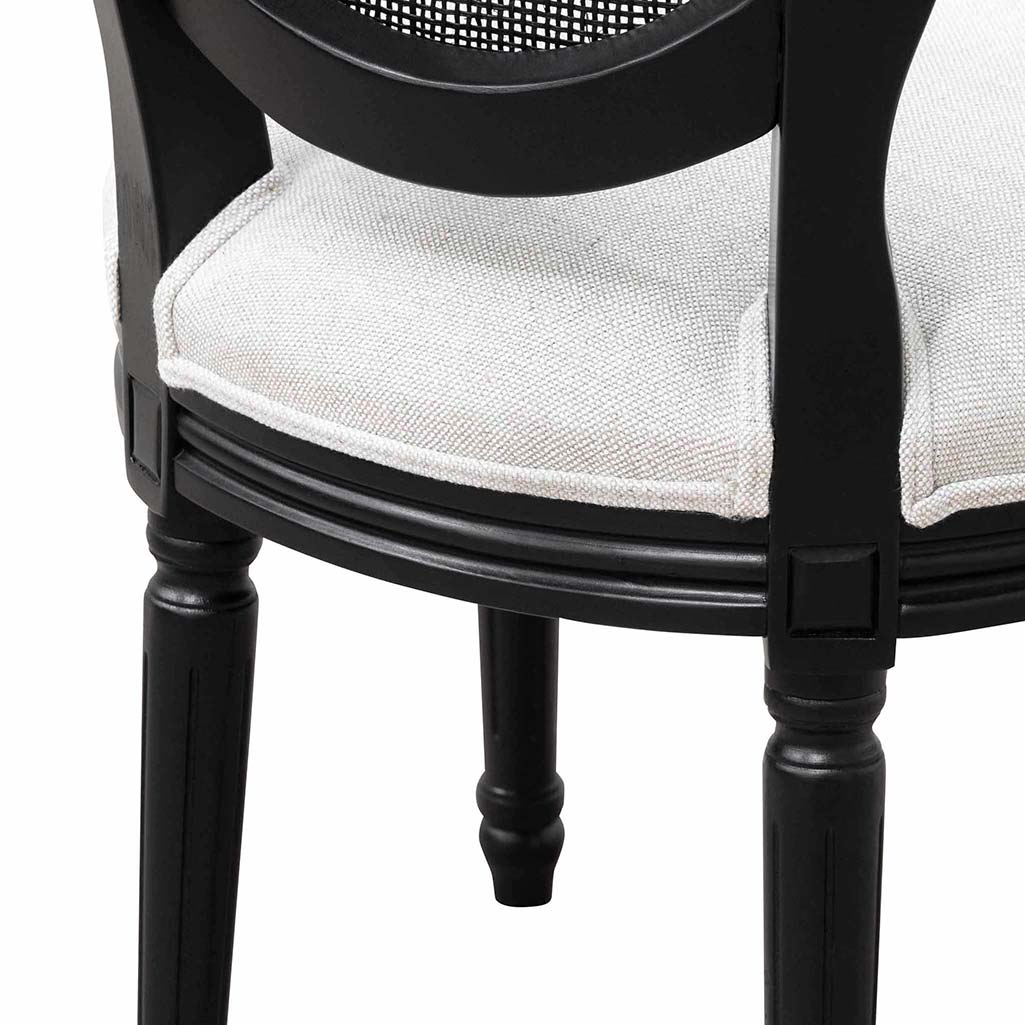
The chair choice can change how space-saving the table feels. A compact round table with bulky armchairs may feel cramped, while slim dining chairs can make the same table feel open and comfortable.
Only Dining Chairs offers dedicated categories for dining chairs, bar stools, and dining tables, including wooden, velvet, upholstered, rattan, leather, round, extendable, and glass dining table options. Their listed round dining table range includes examples such as 120cm and 1.4m wooden round tables, showing how varied this category has become for Australian homes.
Use Contrast for a Designer Look
A round table does not need to match the chairs exactly. In fact, contrast often looks more modern.
For example:
-
A light oak round table with black dining chairs creates a clean contemporary look.
-
A white or stone-look round table with beige upholstered chairs feels soft and elegant.
-
A dark timber round table with rattan chairs creates relaxed coastal warmth.
-
A glass round table with velvet chairs adds glamour without visual heaviness.
The key is balance. If the table is visually bold, choose simpler chairs. If the table is minimal, chairs can bring texture, colour, or personality.
Round Dining Tables Support Flexible Living
This shift matters because people are comparing dimensions, materials, delivery options, chair pairings, and room suitability before buying. A round dining table performs strongly in this decision-making process because its benefits are easy to understand: it saves space, improves flow, and looks refined in multiple interior styles.

Practical Buying Tips Before Choosing a Round Dining Table
Before buying, measure more than just the empty floor area. Think about how people will actually move when chairs are pulled out.
Check these details:
-
Measure the dining zone from wall to wall not just the centre space.
-
Allow enough clearance for chairs to move comfortably.
-
Choose slim chairs for smaller round tables.
-
Consider a pedestal base if legroom is a priority.
-
Avoid oversized centrepieces on smaller tables.
-
Match the table finish to your lifestyle not just your colour scheme.
-
Think about daily use first then occasional entertaining.
A common mistake is buying for the biggest dinner party rather than the way the table will be used 90% of the time. For most homes a well sized four-seater round table will feel more valuable than an oversized table that makes the room harder to live in.
Benefits for Homeowners, Renters and Interior Businesses
For homeowners, a round dining table can improve how a room feels every day. It makes compact spaces easier to navigate and creates a more welcoming dining setting.
For renters, it is a flexible option because it adapts well to different layouts. A round table can move from an apartment nook to a townhouse dining space more easily than a long rectangular table designed for one specific room.
For interior designers, stylists and furniture retailers, round tables answer a growing consumer need: furniture that looks premium but solves real space problems. As more Australians shop online and compare furniture by dimensions, lifestyle fit, and visual impact, space-efficient designs are likely to stay relevant.
Conclusion: Round Dining Tables Are a Smart Future-Proof Choice
Round dining tables are popular because they solve a real problem in modern Australian homes. They make dining areas easier to move through, soften open-plan interiors, encourage better conversation, and bring elegance without needing excessive floor space.
The best round dining table is not simply the one that looks good in a product photo. It is the one that fits the room, supports everyday routines, pairs well with comfortable chairs, and makes the dining area feel naturally inviting. With Australian households growing in number, homes becoming more space-conscious, and buyers paying closer attention to furniture value, round dining tables offer a practical and stylish answer for 2024–2026 living and beyond.
FAQs
Are round dining tables good for small spaces?
Yes, round dining tables are excellent for small spaces because they have no sharp corners and allow easier movement around the room.
How many people can sit at a round dining table?
A 90–100cm round table usually seats 2 people, while a 120–130cm table can seat 4 to 6 people depending on the chair size.
Why are round dining tables popular in modern homes?
They create a softer look, save floor space, and make dining feel more relaxed and social.
Is a round dining table better than a rectangular table?
It depends on the room. Round tables are better for compact spaces and conversation, while rectangular tables suit long dining rooms.
What size round dining table is best for four people?
A 110–120cm round dining table is usually a comfortable choice for four people.
Do round dining tables make rooms look bigger?
Yes, their curved shape and open flow can make a dining area feel less crowded and more spacious.
What chairs work best with round dining tables?
Slim dining chairs, upholstered chairs, wooden chairs and rattan chairs all work well, depending on the table style.
Are pedestal round tables practical?
Yes, pedestal bases offer more legroom and make it easier to fit chairs around the table.
Can round dining tables suit formal interiors?
Yes, materials like marble-look, dark timber, glass or premium upholstered chairs can make a round table feel elegant and formal.
Are round dining tables good for families?
Yes, they are family-friendly because they have no sharp corners and allow everyone to sit closer together.