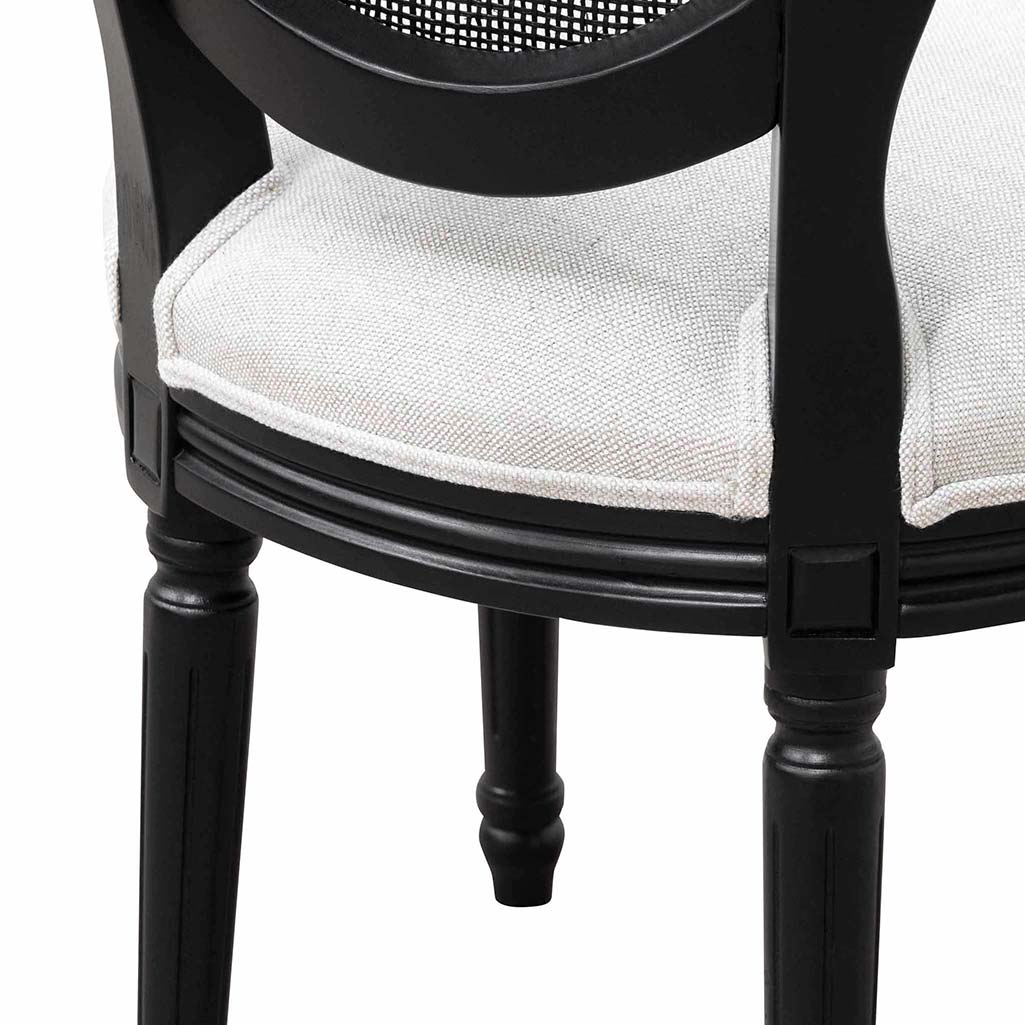




Choosing dining chairs is no longer just about filling the space around a table. In Australian homes, the dining area often sits at the centre of open-plan living, family meals, work-from-home routines, entertaining and everyday conversations. That means dining chairs need to do more than look good in photos; they must feel comfortable, hold up to daily use and match the way modern households actually live.
This is one reason leather dining chairs continue to stand out. They offer a rare balance: the softness and visual warmth of upholstery, the cleanability families want, and the refined finish homeowners expect from a long term furniture investment. With Australia’s home furniture market valued at AUD 25.5 billion in 2025 and projected to grow at a 7.10% CAGR from 2026 to 2034 buyers are clearly still investing in better home interiors despite cost-of-living pressure.
For shoppers comparing options online, brands such as Only Dining Chairs Australia have made the buying journey more focused by offering dedicated categories for leather, wooden, velvet, upholstered, rattan, and metal dining chairs, along with leather styles in tan, faux leather, and white finishes.
Why Leather Dining Chairs Make Sense for Australian Homes
Leather dining chairs work especially well in Australia because many homes now combine the kitchen, dining, and living zone into one shared space. In that kind of layout, dining chairs are always visible, so they need to look polished even when they are used every day.
Furniture demand is also being shaped by open-plan living, multifunctional layouts, and the use of online platforms to compare brands and styles before purchase. IMARC notes these as key drivers in the Australian home furniture market. At the same time ABS data shows Australian household spending rose 4.6% year on year in February 2026 indicating that households are still spending, but more carefully and selectively.
Leather dining chairs fit this buy smarter mindset. A well-made chair can improve the dining room instantly without the cost of a full renovation. This matters because renovation activity has become a major focus in Australia: KPMG analysis reported by The Guardian found that renovation spending rose from 34.2% of total residential construction spend in 2018–19 to 40% in 2023–24.
Comfort Starts with the Right Chair Geometry
A stylish dining chair can still be a poor choice if the seat depth, back angle or cushioning is wrong. Comfort is not only about softness it is about posture, support and how long someone can sit without shifting around.
Seat Depth and Leg Support
A dining chair should support the thighs without pressing into the back of the knees. Ergonomic guidance suggests leaving around a 2–5 cm gap between the front edge of the seat and the back of the user’s knees, with common dining chair seat depths often sitting around 40–55 cm.
This is particularly important for families who use the dining table for more than meals. If children do homework there, adults answer emails there, or guests sit for long dinners, poor seat depth quickly becomes noticeable.
Backrest Angle and Shape
A completely vertical dining chair may look formal, but it can feel stiff during longer use. A slightly reclined backrest is usually more comfortable because it distributes pressure more naturally. Research-based ergonomic guidance commonly places a comfortable backrest angle around 100–110 degrees.
For leather dining chairs, this matters even more because the material has a structured feel. When the chair has a supportive curved back and a comfortable angle, leather feels luxurious. Without those details, it can feel rigid.
Cushion Density Matters More Than First Impressions
Many shoppers test a chair for a few seconds and choose the softest option. That can be misleading. Low-density foam may feel plush at first but compress faster over time. Higher-density foam generally holds its shape better and offers more consistent support, especially in dining chairs used daily.
Understanding Leather Types Before You Buy
Not all leather dining chairs are the same. The material used affects comfort, cleaning, price, breathability, and long-term appearance.
Full-grain leather: The most natural and durable option, often developing a richer patina over time. It suits buyers who want a premium, long-lasting finish.
Top-grain leather: More refined and consistent in appearance than full-grain, with strong durability and a smoother feel.
Corrected or pigmented leather: Treated for a more uniform look and better stain resistance, making it practical for busy households.
PU or faux leather: More budget-friendly and easy to wipe clean. It is useful for families, rentals, or style-led spaces, though it may not age the same way as genuine leather.
White leather or light leather: Ideal for crisp, modern interiors, but it requires more care around denim transfer, food stains, and direct sunlight.
Only Dining Chairs highlights tan leather, faux leather, and white leather dining chairs as options for different décor styles, which reflects the wider trend toward material choice rather than one-size-fits-all furniture.
Style Trends: Why Leather Works Across Modern Interiors
Leather dining chairs are popular because they can move between design styles without looking out of place. A tan leather chair can warm up a timber table. A black leather chair can sharpen an industrial or contemporary space. A white leather chair can make a dining area feel brighter and more refined.
Tan and Cognac Leather for Warm Australian Interiors
Tan leather is one of the most versatile choices for Australian homes. It pairs well with oak, walnut, black metal, stone-look tables, and neutral walls. It also adds warmth to open-plan spaces that might otherwise feel too plain.
Black Leather for Modern and Industrial Dining Rooms
Black leather dining chairs work well in apartments, townhouses, and modern homes where the interior already includes metal, glass, concrete-look finishes, or dark timber. They create contrast without needing loud patterns or colours.
White Leather for Light, Coastal, and Luxe Spaces
White leather dining chairs are best suited to homes that want a clean, bright, high-end dining look. They work particularly well with marble-look tables, glass tops, pale timber, and minimal styling. Only Dining Chairs has also published a dedicated 2026 guide focused on white leather dining chairs, covering style, comfort, durability, materials, and pricing.
Practical Buying Checklist for Leather Dining Chairs
Before buying, it helps to judge leather dining chairs like a long-term household product, not just a decorative item.
Measure seat height against your table: Most dining tables need enough clearance for legs while keeping elbows comfortable.
Check seat depth: Aim for support without pressure behind the knees.
Look at backrest shape: A slight curve or angled back usually feels better for long dinners.
Compare frame materials: Metal frames feel modern and sturdy; timber frames feel warmer and more classic.
Review cleaning requirements: Genuine leather and faux leather need different care routines.
Check warranty and return confidence: Only Dining Chairs promotes a 2-year warranty, interest-free options, and a quality money-back guarantee.
Read customer feedback: The website notes a 4.9/5 rating from over 200 satisfied homeowners, which can help buyers judge trust and service quality.
Maintenance: How to Keep Leather Dining Chairs Looking Good
Leather is easier to maintain than many fabrics, but it still needs the right care. Weekly dusting with a dry microfiber cloth helps prevent grime from building up. Spills should be blotted quickly with a clean, dry cloth rather than rubbed, because rubbing can spread the stain.
For deeper care, many leather specialists recommend using leather-specific cleaners and conditioners rather than harsh household products. Some guidance suggests conditioning every six to twelve months, while other Australian furniture care advice recommends seasonal conditioning for certain leather types depending on environmental conditions.
Sunlight is another major factor in Australia. Leather chairs placed near large windows, sliding doors, or west-facing dining rooms may fade or dry faster. Keeping chairs away from direct heat and strong sunlight helps preserve colour, softness, and surface finish.
Leather Dining Chairs for Families, Apartments, and Entertaining
Leather dining chairs are especially practical for households where the dining area gets heavy use. Families often prefer wipe-clean surfaces because food spills are part of daily life. Apartment owners may choose leather because it gives a compact dining setting a more finished look. Entertainers value leather because it feels comfortable and premium without looking overly formal.
Australia’s housing mix also supports the need for adaptable dining furniture. ABS building approval data for February 2026 showed private sector dwellings excluding houses rose 101.2% month-on-month to 8,922, showing how multi-unit housing can play a major role in supply from month to month. In apartments and townhouses, dining chairs need to look elegant without taking up unnecessary visual space. Slim leather chairs, armless designs, and metal-leg styles can help achieve that balance.

Why Quality Matters More Than a Cheap First Price
Dining chairs are used more aggressively than many people realise. They are pulled, pushed, leaned on, wiped down, moved around, and used by people of different weights and sitting habits. A cheaper chair may look good online but fail quickly if the frame, foam, stitching, or upholstery is poor.
This is where durability standards and sustainability thinking overlap. BIFMA’s 2024 furniture sustainability standard focuses on measurable environmental and social performance criteria across the supply chain and applies broadly to furniture categories including seating and tables. While residential buyers may not always ask for technical certification, the principle is relevant: longer-lasting furniture is usually the more responsible and economical choice.
For businesses such as cafés, short-stay accommodation providers, display homes, and property stylists, this matters even more. Leather dining chairs can reduce cleaning time, create a premium impression, and hold up better under repeated use when the construction quality is right.
Online Furniture Shopping Has Changed Buyer Expectations
For dining chairs, this means shoppers expect clear product images, accurate measurements, material details, delivery information, reviews, and warranty terms. A focused retailer such as Only Dining Chairs benefits from this shift because buyers can compare chair categories without sorting through unrelated furniture products.
Conclusion: Leather Dining Chairs Are a Long-Term Style Decision
Leather dining chairs remain popular because they solve several problems at once. They bring comfort to daily meals, polish to open-plan interiors, durability for family use, and flexibility across modern, coastal, industrial, and classic Australian homes.
The best choice is not simply the chair that looks most expensive. It is the chair that fits your table, supports your body, suits your lifestyle, and can handle the way your household uses the dining space every day. As Australian buyers continue to invest in practical home upgrades and compare furniture online, leather dining chairs are likely to stay relevant not as a passing trend, but as a smart balance of comfort, style and long-term value.
FAQs
Are leather dining chairs good for everyday use?
Yes, leather dining chairs are practical for daily meals because they are comfortable, stylish, and easier to wipe clean than many fabric options.
Which leather dining chair colour is best for modern homes?
Tan, black, and white are popular choices. Tan feels warm, black looks bold and white gives a clean modern look.
Are faux leather dining chairs worth buying?
Faux leather chairs are a good option for budget-conscious buyers who want an easy-care finish and a stylish look.
How do I clean leather dining chairs?
Wipe them with a soft dry or slightly damp cloth. For deeper cleaning, use a leather-safe cleaner and avoid harsh chemicals.
Do leather dining chairs last long?
Good-quality leather dining chairs can last for years if they have a strong frame, durable stitching, and proper care.
Are leather chairs comfortable for long dinners?
Yes, especially when they have padded seats, good back support, and the right seat depth.
Can leather dining chairs suit small dining rooms?
Yes, slim leather chairs or armless designs work well in apartments and compact dining spaces.
Do leather dining chairs match wooden tables?
Yes, leather pairs beautifully with timber tables. Tan leather with oak or walnut is especially popular.