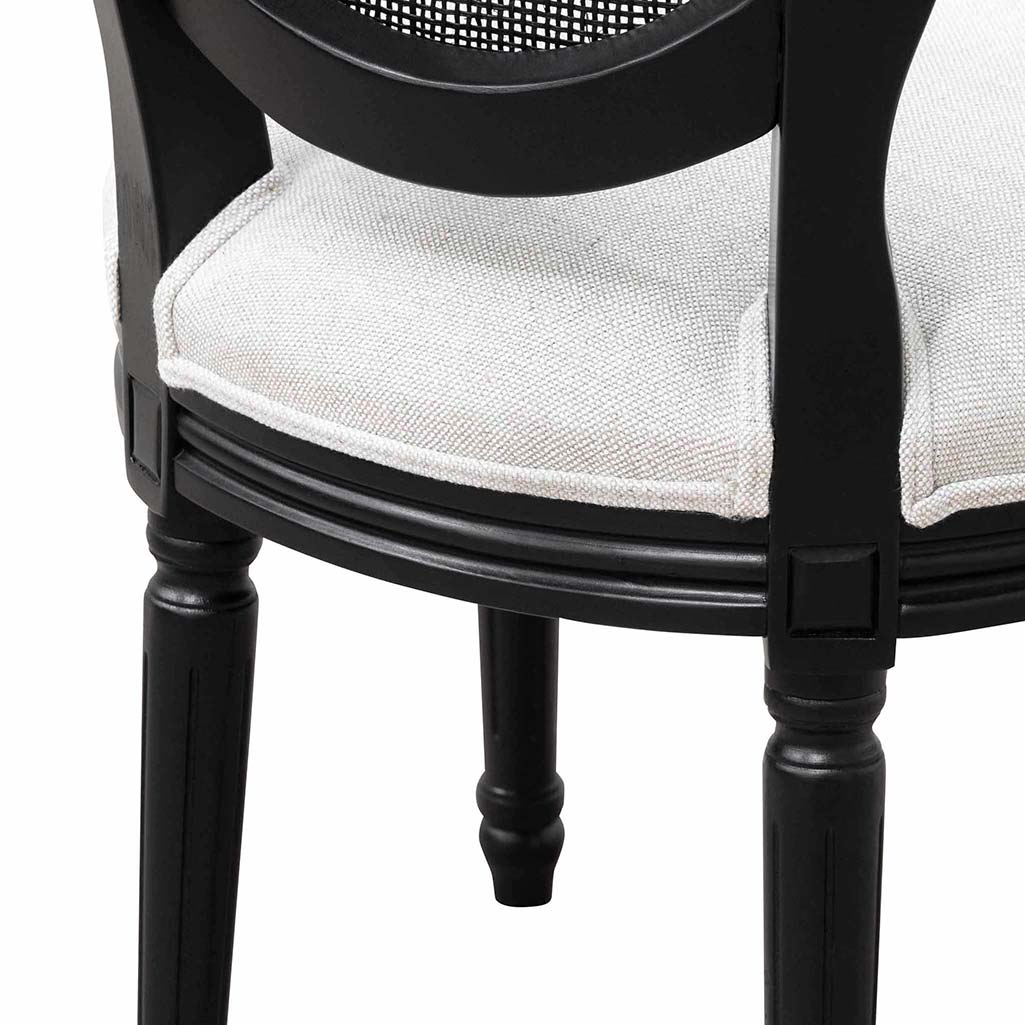




Modern Australian kitchens are no longer just places for cooking. They have become breakfast spots, homework zones, work from home corners, casual dining areas and entertaining hubs. That shift has changed what people expect from bar stools. A stool can no longer be chosen only for its height or frame finish; it must feel comfortable enough for everyday use, look refined in an open-plan layout and suit the softer, warmer interiors now shaping Australian homes.
This is why fabric upholstery has become one of the strongest modern bar stool trends. While timber, metal and leather still have their place, fabric bar stools offer something particularly relevant for today’s homes: comfort, texture colour flexibility and a more inviting visual feel. In Australia, where kitchen and dining spaces often flow into living areas, fabric upholstery helps bar seating feel less like a hard utility item and more like part of the home’s interior design story.
Why Fabric Upholstery Is Gaining Momentum in Australian Kitchens
The rise of fabric upholstery is closely tied to how Australians are investing in their homes.
At the same time, the Australian kitchen furniture market was valued at about AUD 3.5 billion in 2024 and is projected to reach AUD 5.3 billion by 2032, growing at a 5.4% CAGR from 2025 to 2032. This growth is linked to renovation activity, new residential construction and changing lifestyle preferences.
Kitchens Are Becoming More Social
A decade ago, bar stools were often treated as occasional seating. Today, they are used for morning coffee, quick meals, after-school snacks, laptop work and weekend entertaining. That creates demand for stools that are softer and more supportive.
Fabric upholstery answers this need by making the seat feel warmer, quieter and more comfortable than many hard-surface alternatives. For families, couples and apartment dwellers, this matters because the kitchen island often doubles as the most used “informal dining table” in the home.
Open-Plan Living Needs Softer Visual Balance
In open-plan homes, the kitchen is visible from the living and dining area. A row of hard metal or timber stools can sometimes make the space feel cold, especially in minimalist or stone-heavy kitchens. Fabric upholstery softens the look by adding texture and depth.
This is especially useful in Australian interiors where white cabinetry, stone benchtops, timber flooring and neutral walls are common. A fabric stool introduces contrast without making the room feel busy.
The Design Shift: From Hard Seating to Comfort-Led Bar Stools
The biggest reason fabric bar stools are rising is simple: people want style without sacrificing comfort. Only Dining Chairs’ fabric bar stool range reflects this shift, with options designed around comfort, style, durability, back support, breathable materials and versatile colours for Australian kitchen and bar areas.
Backrests Are Becoming More Important
Backless stools are still useful in compact spaces, but fabric bar stools with backs are becoming more popular because they suit longer sitting periods. When someone sits at an island for breakfast, conversation or remote work, back support quickly becomes more than a nice extra.
Fabric upholstery improves this further by cushioning the contact points around the back and seat. The result is a stool that feels more like a dining chair, which is exactly what many modern households now need.
Padded Seats Make Everyday Use Easier
A kitchen island may look beautiful, but if the seating is uncomfortable, people will avoid using it. Upholstered padding makes bar stools more suitable for:
Casual family meals
Entertaining guests around the island
Working briefly on a laptop
Kids doing homework near the kitchen
Apartment living where dining space is limited
This is one reason upholstered bar stools are moving beyond luxury interiors and becoming practical everyday furniture.
Fabric Bar Stools Fit the 2025 Colour and Texture Movement
Interior trends are moving away from flat, cool spaces and toward warmer, more tactile homes. Dulux’s 2025 Colour Forecast highlights warm brown undertones, nurturing palettes, rich burgundy and increased use of greens such as olive and sage.
Fabric upholstery fits perfectly into this direction because it carries colour differently from timber, plastic or metal. A grey fabric stool, for example, feels softer than grey metal. A beige bouclé stool adds warmth without needing a bold colour. A black fabric stool can still look modern but less severe than black leather or steel.
Why Texture Matters in Minimal and Modern Kitchens
Many contemporary kitchens use smooth materials: engineered surfaces, stone-look benchtops, flat cabinetry, glass splashbacks and polished hardware. These finishes can look sleek, but without texture, the space may feel sterile.
Fabric upholstery adds a tactile layer. Bouclé, linen-look fabric, woven polyester and soft grey upholstery can help break up visual hardness while keeping the kitchen clean and modern.
Neutral Fabric Colours Are More Versatile
Australian homeowners often prefer furniture that can survive changing décor trends. Fabric bar stools in neutral shades such as grey, beige, black, ivory and soft brown work well because they pair easily with timber, marble-look benchtops, white cabinetry, black fixtures and brushed brass accents.
Only Dining Chairs notes that black and white fabric bar stools are popular because they suit a wide range of décor styles and help create a complete, welcoming space.
The Practical Advantage: Fabric Is No Longer “Too Delicate”
One reason some buyers once avoided fabric stools was the fear of stains, spills and daily wear. That concern is understandable in a kitchen. But modern upholstery has improved, and many fabric bar stools now use more durable materials designed for regular household use.
Only Dining Chairs identifies durable, stain-resistant materials such as polyester or polyester-cotton blends as practical choices for bar stools, especially when easy-clean properties are needed.
What Makes a Fabric Bar Stool Practical?
When choosing fabric upholstery, the most important features are not just colour or softness. Look at construction, cleaning requirements and where the stool will be used.
Key features to consider include:
Durable upholstery: Polyester and performance-style fabrics are often better for busy homes than delicate natural fabrics.
Supportive padding: A soft seat should still hold its shape over time.
Stable frame: Metal and timber frames both work, but the stool should not wobble.
Correct seat height: Counter stools and bar stools are not the same height, so measure the bench before buying.
Easy maintenance: Choose fabrics that can be spot-cleaned and avoid overly pale shades in high-spill households.
This practical side is one reason fabric upholstery is becoming a long-term trend rather than a short-lived style choice.
The Role of Bar Stools in Kitchen Island Design
Kitchen islands are now being designed with more attention to seating, storage and traffic flow. Australian kitchen design commentary for 2024–2025 has highlighted greater emphasis on island benches, including how seating is arranged and how the island supports movement through the kitchen.
That makes bar stool choice more important. A poorly chosen stool can block walkways, look visually heavy or make the island uncomfortable. A well-chosen fabric stool can make the island feel more like a natural gathering point.
Fabric Helps Define the Island Zone
In open-plan homes, fabric bar stools can visually separate the kitchen island from the rest of the kitchen without using walls or partitions. For example, a row of soft grey upholstered stools against a white island creates a gentle transition into the living area. Beige fabric stools with timber legs can connect the kitchen to a dining table nearby.
This is where fabric works especially well: it adds design definition without making the space feel crowded.
Why Fabric Upholstery Appeals to Different Interior Styles
Fabric bar stools are popular because they are not tied to one design style. The same material category can work across coastal, Scandinavian, contemporary, industrial and mid-century interiors.
Contemporary Kitchens
In contemporary kitchens, fabric stools with clean lines and slim metal legs create a polished but comfortable look. Grey, charcoal or black fabric works well with stone benchtops and matte black tapware.
Coastal Australian Homes
For coastal interiors, beige, ivory, light grey and woven-look fabrics pair naturally with oak, rattan, white cabinetry and soft natural light. Fabric creates a relaxed feel without making the kitchen look too casual.
Mid-Century and Retro-Inspired Spaces
Curved upholstered backs, tapered timber legs and textured fabrics suit mid-century styling. Only Dining Chairs’ upholstered options include designs such as mid-century bouclé fabric bar stools, showing how fabric is being used to combine rounded silhouettes with modern comfort.
Minimalist Interiors
Minimalist spaces benefit from fabric because it adds warmth without clutter. A simple stool in beige, grey or white fabric can make a minimalist kitchen feel calm rather than empty.
Commercial Influence: Cafés, Apartments and Home Entertaining
Fabric upholstery is also influenced by hospitality-style interiors. Many cafés, boutique hotels and modern restaurants use upholstered seating to make compact spaces feel more premium. Homeowners often borrow these ideas for their own kitchens, especially when they want the island to feel more like a social bar or relaxed dining counter.
Only Dining Chairs’ upholstered bar stool collection includes a wide range of products across fabric, PU leather, bouclé, coastal, swivel and commercial-style designs, showing how the category has expanded beyond one basic stool type.
For businesses such as cafés, display homes, property stylists and Airbnb hosts, fabric bar stools can also improve perceived value. A soft upholstered stool photographs well, adds texture to interior images and helps create a more welcoming first impression.

How to Choose the Right Fabric Bar Stool for a Modern Australian Home
Choosing fabric upholstery should be practical, not just aesthetic. A stool that looks good online may not suit the height, traffic flow or cleaning needs of a real kitchen.
Match the Stool Height to the Bench
Most kitchen islands need counter-height stools, while taller bars need bar-height stools. A comfortable setup usually leaves enough space between the seat and underside of the bench for relaxed leg movement. Before buying, measure the floor-to-benchtop height and compare it with the stool’s seat height.
Consider the Household Lifestyle
A couple in an apartment may prefer pale bouclé or sculptural fabric stools. A family with young children may need darker upholstery, easy-clean fabric and a stable base. A home that entertains often may benefit from stools with backs and footrests because guests are likely to sit longer.
Choose Fabric Colour Based on Use
Light fabric looks elegant, but it needs more care in a high-spill kitchen. Mid-greys, warm taupes, charcoal and textured beige shades are more forgiving. Black fabric can look sleek, while soft neutrals work well in coastal and Scandinavian homes.
Business Insight: Why Retailers Should Take Fabric Bar Stools Seriously
For furniture retailers and interior brands, fabric bar stools are valuable because they sit at the intersection of comfort, trend and practicality. They are not just decorative add-ons; they solve a real problem in modern kitchens.
Australia’s broader home furniture market reached AUD 25.5 billion in 2025 and is projected to reach AUD 48.2 billion by 2034, with growth supported by open-plan living, multifunctional layouts and online furniture discovery.
That matters for bar stool retailers because customers are increasingly comparing products based on more than price. They want comfort, design flexibility, material quality, easy delivery, warranty confidence and products that suit real Australian homes.
What This Means for Online Furniture Buyers
Online shoppers need clear information. Product pages should explain fabric type, seat height, frame material, weight capacity, warranty, assembly needs and cleaning guidance. The more practical detail a buyer sees, the more confident they feel choosing upholstered seating online.
Only Dining Chairs already positions fabric bar stools around comfort, style, durability, breathable materials and versatile designs for Australian homes, which aligns well with this buyer behaviour.
Actionable Styling Ideas for Fabric Bar Stools
Fabric upholstery gives homeowners more styling freedom than many hard materials. The key is to connect the stool to other finishes in the kitchen.
Use these simple design rules:
Match warm fabrics with timber: Beige, oatmeal and warm grey fabric stools look natural with oak, walnut and light timber floors.
Use contrast in white kitchens: Charcoal, black or textured grey stools prevent an all-white kitchen from looking flat.
Repeat one colour elsewhere: Connect the stool fabric with a rug, pendant light, artwork or dining chair upholstery.
Balance texture with smooth surfaces: Bouclé or woven fabric works beautifully against stone, glass, matte cabinetry and metal fixtures.
Keep proportions clean: In small kitchens, choose slimmer legs and lower-profile backs so the island does not feel crowded.
These details help fabric bar stools look intentional rather than randomly added.
Conclusion:
The rise of fabric upholstery in modern bar stool trends is not just about appearance. It reflects a deeper shift in how Australians use their kitchens. The island has become a daily living zone, and seating now needs to support comfort, conversation, visual warmth and long-term practicality.
Fabric bar stools meet these needs by softening hard kitchen materials, offering more colour and texture options and making casual seating feel more like part of the home. With renovation activity, kitchen investment and open-plan living continuing to shape Australian interiors, fabric upholstery is likely to remain a strong bar stool trend through 2026 and beyond.
For homeowners, the best approach is to choose fabric bar stools that balance beauty with function: durable upholstery, the right height, supportive design and a colour that works with the rest of the kitchen. For retailers and interior-focused brands, fabric bar stools offer a clear opportunity to serve customers who want modern seating that feels as good as it looks.
FAQs
Are fabric bar stools good for everyday use?
Yes, fabric bar stools are suitable for daily use when they have durable upholstery, strong padding and a stable frame.
Do fabric bar stools stain easily?
They can stain if spills are left untreated, but many modern fabric stools use easy-clean or stain-resistant materials.
What fabric is best for bar stools?
Polyester, woven fabric and performance-style upholstery are practical choices because they are durable and easier to maintain.
Are fabric bar stools comfortable?
Yes, fabric bar stools are often more comfortable than hard timber or metal stools because they offer a softer padded seat.
Can fabric bar stools work in small kitchens?
Yes, choose slim designs, lower backs and neutral colours to keep the space open and uncluttered.
What colour fabric bar stools are best?
Grey, beige, charcoal, black and soft brown are popular because they match many Australian kitchen styles.
Are fabric bar stools suitable for homes with kids?
Yes, but darker colours and easy-clean fabrics are better for family homes where spills are more common.
How do I clean fabric bar stools?
Blot spills quickly, use a gentle fabric cleaner when suitable and avoid soaking the upholstery.
Do fabric bar stools suit modern kitchens?
Yes, they add warmth, texture and comfort to modern kitchens, especially open-plan spaces.
Why are fabric bar stools becoming popular?
They combine comfort, style and versatility, making kitchen islands feel more inviting for daily living.