



A kitchen island is no longer just a place to chop vegetables or drop the grocery bags. In many Australian homes, it has become the casual dining table, homework zone, coffee spot, entertaining hub and visual centrepiece of the open plan living area. That is why the seating around it matters more than many homeowners realise.
Wooden seating, especially well-designed wooden bar stools and counter stools, can completely change how a kitchen feels. It adds warmth to stone benchtops, softens crisp white cabinetry, brings texture into minimalist interiors and makes the island feel more inviting. This matters at a time when Australians are investing heavily in improving existing homes rather than moving or building new. KPMG analysis reported that renovation spending rose from 34.2% of total residential construction spend in 2018–19 to 40% in 2023–24 showing how strongly homeowners are focusing on practical upgrades inside the home.
For kitchens, this shift is especially important. HIA describes kitchens and bathrooms as an AUD 11+ billion sector in Australia’s residential construction industry, while 2025 kitchen renovation estimates place an average full kitchen renovation around AUD 35,800 with mid size projects often ranging from AUD 25,000 to AUD 40,000. Compared with major structural changes, upgrading kitchen island seating is a smaller, more flexible decision that can still deliver a strong visual and lifestyle impact.
Why Wooden Seating Works So Well Around a Kitchen Island
Wood has a quality that many other materials struggle to replicate: it feels natural, warm and lived-in without looking untidy. In modern Australian kitchens, where stone, tile, stainless steel and matte cabinetry are common, wooden stools help balance the harder surfaces.
It Adds Warmth to Clean, Contemporary Kitchens
Many kitchens built or renovated in recent years feature neutral palettes, flat panel cabinetry and engineered stone or porcelain benchtops. These finishes look sleek, but they can sometimes feel cold if every surface is smooth and hard. Wooden seating introduces grain, tone and natural variation, which gives the island more depth.
This aligns with broader 2025 kitchen inspiration, where Houzz highlighted white-and-wood kitchens, island features and warm material combinations among its most popular new kitchen ideas. A timber stool beside a white, black grey or stone island creates contrast without making the room feel busy.
It Makes the Island Feel More Social
A kitchen island with no seating feels like a workbench. A kitchen island with elegant wooden stools feels like a place to gather. This distinction is important in open plan homes, where the kitchen often connects directly to the living and dining area.
Houzz’s 2026 kitchen island feature coverage also points to seating on two sides as one of the design ideas professionals recommend, because it supports conversation rather than lining everyone up in a row. Wooden seating works particularly well here because it looks relaxed enough for everyday use but refined enough for entertaining.
Choosing the Right Wooden Stool Height for Australian Kitchen Islands
Beautiful seating will only work if the proportions are right. One of the most common mistakes homeowners make is choosing a stool based only on appearance then discovering it sits too high, too low or too tightly under the island.
Match Stool Height to Bench Height
Most standard kitchen counters and island benches in Australia sit around 85–90 cm high, and a 65 cm counter stool is commonly recommended for that height. For higher bar-style counters around 100–105 cm a 75 cm stool is usually more suitable.
A good practical rule is to leave about 20–30 cm between the stool seat and the underside of the benchtop, which gives enough space for knees and relaxed sitting.
Plan the Number of Stools Before Buying
A cramped island looks less elegant, even if the stools themselves are beautiful. As a guide, allow around 55–60 cm of counter width per stool so people can sit, turn and move without bumping elbows.
For example:
A 120 cm island usually suits two stools.
A 180 cm island can often fit three stools comfortably.
A 240 cm island may suit four stools, depending on stool width and whether the design includes arms.
If you choose wooden stools with arms or a wider backrest, allow more space. A slim backless wooden stool can tuck in neatly, while a statement stool with arms needs breathing room.
Selecting the Best Wooden Seating Style for Your Kitchen
Wooden seating is not one single look. It can feel coastal, Scandinavian, Hamptons, rustic, mid-century, industrial or contemporary depending on the shape, finish and upholstery.
Only Dining Chairs offers wooden bar stool styles such as natural wood, modern wooden, mid-century wood and backless wooden options, giving homeowners flexibility across different kitchen designs. The key is choosing a style that supports your kitchen’s existing character instead of competing with it.
For Minimalist Kitchens: Choose Slim, Clean Timber Profiles
Minimalist kitchens benefit from restraint. Look for stools with simple frames, soft curves and visible timber grain. Light oak ash or natural finishes work well with white, beige, stone and soft grey palettes.
Backless wooden stools are useful in smaller kitchens because they slide fully under the island, keeping the visual line clean. However, if your island is used for long breakfasts, work calls or children’s homework a low back or curved-back stool will usually be more comfortable.
For Coastal Australian Kitchens: Use Natural or Whitewashed Timber
Coastal kitchens often combine light cabinetry, rattan accents, pale timber, linen tones and soft whites. A wooden stool in natural, caramel or whitewashed tones can reinforce that relaxed Australian feel without making the kitchen look overly themed.
The Aldgate wooden bar stool from Only Dining Chairs, for example, is described as a 66 cm counter height option suited to kitchen islands and breakfast bars, available in finishes including black, caramel, walnut and natural. This kind of finish flexibility is useful when homeowners want the warmth of wood but need it to match an existing interior palette.
For Dark or Modern Kitchens: Try Walnut, Black Timber or Mixed Materials
Dark kitchens are becoming more expressive, especially with black cabinetry, charcoal stone, bronze tapware and smoked glass. In these spaces, pale timber can create contrast, while walnut or black-stained timber can produce a more dramatic, seamless effect.
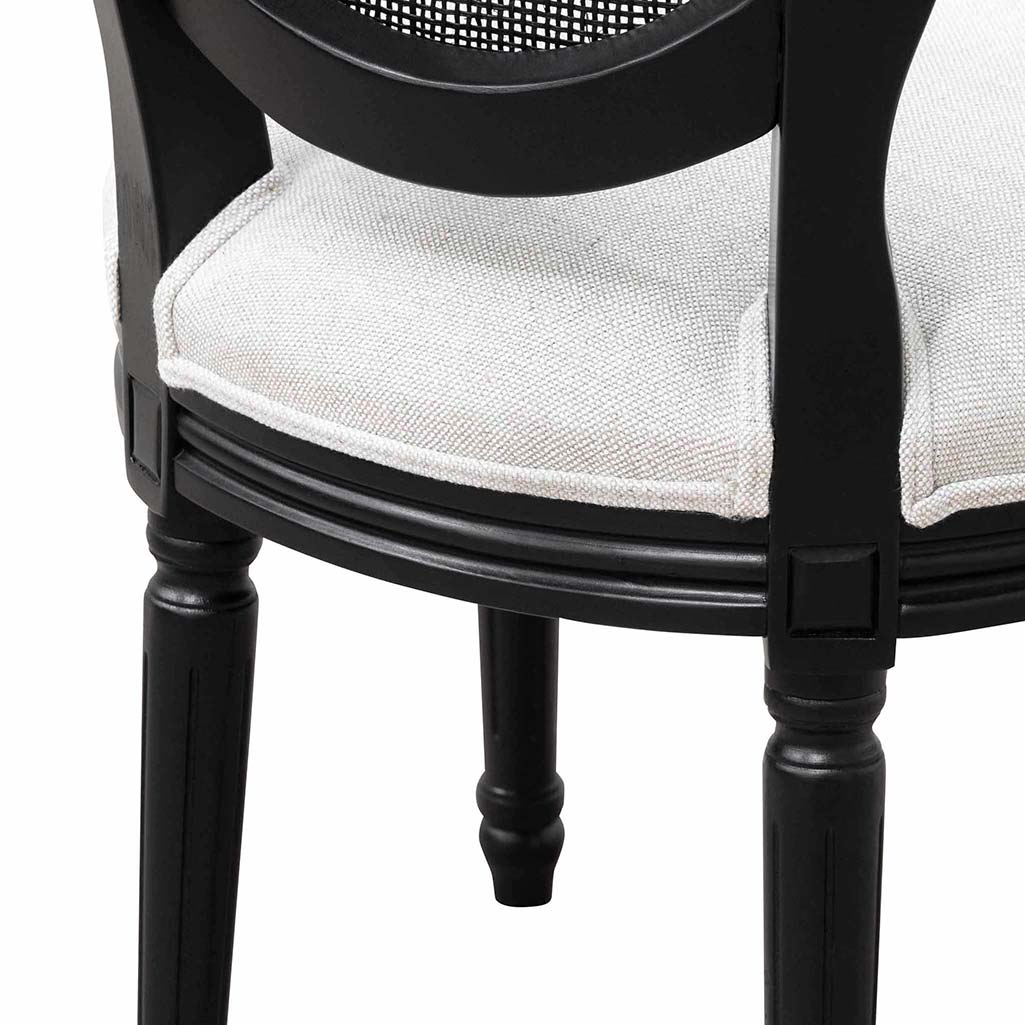
Mixed-material wooden seating also works well. A timber frame with a leather look fabric or rattan seat can add comfort while still keeping the natural warmth of wood visible.
How Wooden Seating Improves Function Not Just Style
Elegant seating is not only about appearance. The right wooden stools can change how people use the kitchen every day.
It Supports Everyday Casual Dining
Formal dining rooms are used less frequently in many modern homes. The island often becomes the default breakfast spot, snack station or quick dinner setting. Wooden stools help make this routine feel more comfortable and intentional.
A stool with a footrest, stable frame and supportive seat is especially important if the island is used daily. Solid timber or high quality wooden frames can handle regular use, while padded seats can make longer sitting more comfortable.
It Helps Open-Plan Areas Feel Connected
In open-plan kitchens, seating acts as a bridge between the cooking zone and living area. Wooden stools can visually connect timber flooring, dining chairs, shelving or sideboards, making the whole space feel more cohesive.
This is where material repetition matters. If your living area has oak flooring or a walnut entertainment unit, choosing island stools in a related timber tone can make the kitchen feel integrated rather than separate.
Practical Styling Tips for an Elegant Kitchen Island Look
Wooden seating looks best when it is styled with intention. Small choices around colour, spacing and accessories can make the island feel polished rather than overcrowded.
Consider these practical ideas:
Match the timber undertone, not necessarily the exact colour. Warm oak pairs well with cream, beige and brass cooler ash suits white, grey and stainless steel.
Use contrast if the kitchen feels flat. Light stools can lift a dark island, while black or walnut stools can ground a pale kitchen.
Keep pendant lights proportional. Large pendants above heavy stools can feel crowded; slim stools allow more dramatic lighting.
Repeat one detail elsewhere. If the stools have black legs, echo black in tapware, handles or lighting.
Avoid over-accessorising the island. Wooden seating already adds texture so keep benchtop styling simple.

Durability and Maintenance What Australian Homes Should Consider
Kitchen island seating faces daily wear. It deals with food spills, shoes on footrests, children climbing up and down and regular cleaning. That makes durability a serious buying factor.
Wooden stools are generally long-lasting when properly maintained, but the finish matters. Sealed timber is easier to wipe clean than raw timber. Dark finishes may hide some marks but can show dust, while very pale timber may show stains if not protected.
For busy homes, look for:
A sealed or lacquered timber frame.
A strong footrest, preferably with metal protection if heavily used.
Upholstery that is easy to wipe or spot clean.
A stable base that does not wobble on hard flooring.
Felt pads under the legs to protect timber tile or hybrid floors.
These details may seem small but they determine whether the stools still look elegant after several years of use.
Why Wooden Seating Is a Smart Upgrade Before a Full Renovation
With kitchen renovation costs in Australia often reaching tens of thousands of dollars, not every homeowner is ready for a full remodel. But seating can refresh the kitchen without removing cabinetry, replacing benchtops or changing plumbing.
This is especially relevant in 2026, as Australia’s housing and renovation market continues to move unevenly. ABS data for February 2026 showed total dwelling approvals rising 29.7% to 19,022 and the value of total residential building rising 30.8% to AUD 12.50 billion, reflecting renewed activity in housing and construction. Even so many households still prefer targeted upgrades that improve daily living without the disruption of a full renovation.
Elegant wooden stools can make an older island look more considered, soften a new-build kitchen that feels too plain or help stage a home for sale by making the kitchen appear more functional and welcoming.
Common Mistakes to Avoid When Styling Wooden Kitchen Island Seating
A beautiful stool can still look wrong if it is poorly matched to the space. The most common mistakes include choosing the wrong height, overcrowding the island or selecting a timber finish that clashes with the flooring.
Another mistake is ignoring comfort. A sculptural stool may look stunning in photos, but if the seat is too narrow, the footrest is awkward or the back support is poor it will not suit everyday family life.
It is also worth avoiding too many timber tones in one view. If the floor, cabinetry, stools and dining table are all different woods, the space can feel visually messy. Aim for two dominant timber tones at most, then use upholstery or metal accents to create balance.
Conclusion: Elegant Wooden Seating Turns the Island Into a True Living Space
Transforming a kitchen island does not always require a major renovation. Sometimes the most effective change is choosing seating that makes the space warmer, more usable and more visually balanced.
Wooden seating brings together the qualities Australian homeowners increasingly value: natural texture, durability comfort and timeless design. It works across coastal, Scandinavian, Hamptons, modern and classic kitchens, while offering practical benefits for casual dining, entertaining and everyday family routines.
As kitchens continue to function as social hubs rather than purely cooking zones, the right wooden bar stools or counter stools can make the island feel complete. Choose the right height, allow enough spacing, match the timber tone carefully and invest in quality construction. The result is a kitchen island that looks elegant, feels inviting and supports the way people actually live.
FAQs
Why are wooden stools good for a kitchen island?
Wooden stools add warmth, texture and a natural feel to the kitchen, making the island look more inviting and stylish.
What height should wooden stools be for a kitchen island?
For most standard kitchen islands, counter height stools around 65 cm are usually suitable.
Are wooden bar stools comfortable for daily use?
Yes, especially when they have a supportive seat, footrest and stable frame. Padded or curved back designs can add extra comfort.
How many stools should fit at a kitchen island?
Allow about 55–60 cm of space per stool so people can sit comfortably without feeling crowded.
Which wood colour works best in a modern kitchen?
Light oak, natural timber walnut and black-stained wood all work well depending on your kitchen colours and overall style.
Do wooden stools suit small kitchens?
Yes. Backless or slim wooden stools are a good choice because they can tuck neatly under the island.