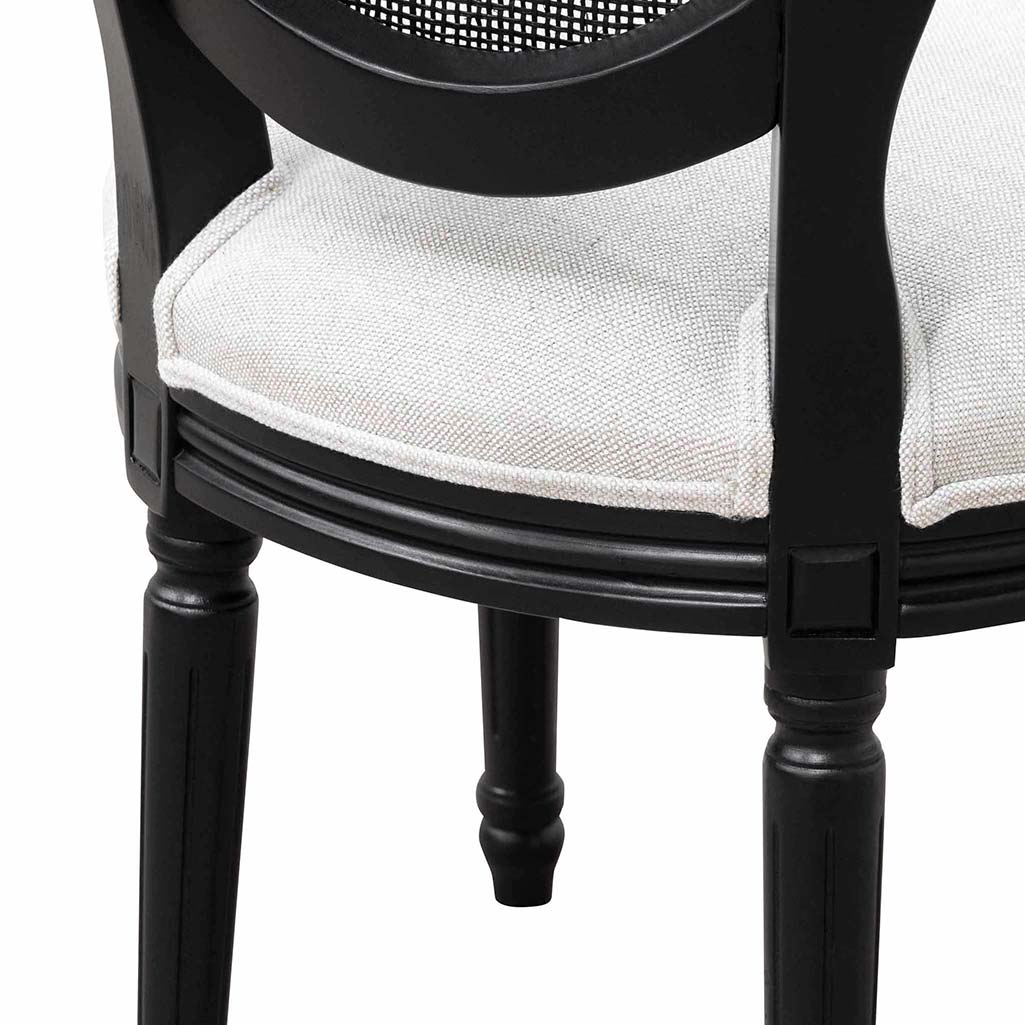




Choosing dining chairs sounds simple until you start comparing fabrics, shapes, colours, seat padding, table heights, room sizes, and everyday practicality. A chair that looks beautiful online can feel too low, too bulky, too delicate, or too formal once it arrives in your dining space. For Australian homes, where dining areas often connect with kitchens, living rooms, balconies, and family zones, the right upholstered dining chairs need to do more than look stylish. They need to support daily meals, weekend entertaining, work-from-home moments, school projects, and relaxed conversations around the table.
Upholstered dining chairs are popular because they bring comfort, softness, and a more finished look to the dining room. They can make a hard-edged timber or stone table feel warmer, help open-plan spaces look more inviting, and add texture without needing a major renovation. The key is choosing chairs that suit your lifestyle, not just your mood board. This guide explains how to buy upholstered dining chairs with confidence, from fabric selection and sizing to colours, comfort, maintenance and long-term value.
Why Upholstered Dining Chairs Work So Well in Australian Homes
Australian interiors often balance comfort with easy living. Many homes use open layouts, natural light, timber flooring, neutral walls, and indoor-outdoor connections. Upholstered dining chairs fit this style because they soften the space without making it feel heavy.
Unlike plain wooden or metal chairs, upholstered chairs add a layer of warmth. The fabric absorbs some visual hardness from dining tables, tiles, polished concrete, or stone benchtops. This is especially useful in modern apartments and newly built homes where surfaces can feel sleek but slightly cold.
They also help the dining area feel more intentional. In open-plan homes, the dining table often sits between the kitchen and lounge. Upholstered chairs create a clear visual zone, making the dining area feel like a designed part of the home rather than empty space between rooms.
Start With How You Actually Use Your Dining Area
Before choosing a colour or fabric, think about how your dining table is used each week. A chair for occasional formal dinners has different requirements from a chair used every morning by children, guests, laptops, and family meals.
For Busy Family Dining
If your dining chairs are used daily, comfort and cleanability matter most. Look for supportive cushioning, durable upholstery, and shapes that are easy to move in and out from the table. Avoid overly delicate fabrics if the chairs sit near young children, pets, or high-traffic kitchen areas.
For Entertaining Guests
If you often host dinners, upholstered chairs help guests stay comfortable for longer. A slightly wider seat, supportive backrest, and soft fabric create a more relaxed dining experience. This is where upholstered chairs can turn the dining table into a place people genuinely enjoy sitting, not just a spot for quick meals.
For Compact Apartments
In smaller Australian apartments, choose upholstered chairs with slim profiles, open legs, and armless designs. These keep the room feeling spacious while still adding softness. Bulky chairs with wide arms can quickly make a compact dining area feel crowded.
Choose the Right Upholstery Material for Your Lifestyle
Fabric choice affects the look, feel, maintenance, and lifespan of your chairs. A beautiful dining chair should suit the way your household lives.
Fabric Upholstery for Everyday Comfort
Fabric upholstered dining chairs are a practical choice for homes that want softness without looking too formal. They work well with timber, glass, marble-look, and black dining tables. Textured fabrics also hide minor marks better than very smooth finishes, making them suitable for regular family use.
Neutral fabric chairs in beige, grey, taupe, or charcoal are especially flexible because they blend with many interior styles. They are ideal when you want the dining room to feel calm, warm, and easy to update with décor.
Velvet Upholstery for a More Luxurious Look
Velvet upholstered dining chairs create a richer and more decorative feel. They work beautifully in dining rooms where the chairs are part of the design statement. Deep colours such as emerald, navy, charcoal, black, or warm beige can make a dining space feel more premium.
Velvet suits homes where the dining area is styled, protected from heavy mess, and used for entertaining as much as daily meals. It adds depth and softness, especially when paired with gold, black, walnut, or marble-look tables.
Faux Leather and Smooth Upholstered Finishes
Smooth upholstered finishes are useful when easy wipe-down care is a priority. They suit apartments, rental homes, and households where spills are common. These chairs often create a modern look and pair well with contemporary dining tables.
The main thing to check is quality. Low-grade smooth upholstery can peel or crack over time, especially in sunny rooms. A better-quality finish gives the chair a cleaner look for longer.
Get the Sizing Right Before You Buy
A dining chair can look perfect but still feel wrong if the proportions do not match your table. Size affects comfort, spacing, movement, and the overall balance of the room.
Seat Height and Table Clearance
Most dining tables need chairs that allow comfortable legroom underneath. The seat should feel natural when sitting, with enough space between the seat and tabletop for relaxed movement. If the chair seat is too high, dining feels cramped. If it is too low, the table feels awkward and uncomfortable.
Chair Width and Spacing
Wider upholstered chairs feel generous, but they also take up more room. For a table used by several people, allow enough space between chairs so elbows do not clash. This is particularly important with padded dining chairs because the upholstery can make them visually and physically wider than simple timber chairs.
Back Height and Room Balance
High-back upholstered dining chairs create a formal and elegant look. Mid-back chairs feel more modern and relaxed. In open-plan Australian homes, mid-back styles often work well because they do not block sightlines between the kitchen, dining, and living areas.
Quick Checklist Before Buying Upholstered Dining Chairs
Use this checklist before placing an order:
-
Measure your dining table height and available floor space.
-
Check seat height, chair width, and back height.
-
Decide whether you need easy-clean upholstery or a more decorative fabric.
-
Match the chair style to your table shape and material.
-
Consider how many chairs fit comfortably without crowding.
-
Think about sunlight exposure if the dining area sits near large windows.
-
Choose colours that work with flooring, walls, table finish, and nearby furniture.
Pick a Colour That Works Beyond One Season
Colour is one of the biggest reasons people love upholstered dining chairs, but it is also where buying mistakes happen. A colour that looks trendy today should still feel right in your home after the season changes.
Neutral Colours for Long-Term Flexibility
Grey, beige, cream, taupe, oatmeal, and charcoal upholstered chairs are safe choices for Australian homes because they sit easily with timber, stone, white walls, and natural textures. They also allow you to change rugs, artwork, lighting, and table décor without replacing the chairs.
Light neutrals create a fresh and airy look, while darker neutrals feel more grounded and practical. For homes with children or pets, mid-tones are often easier to live with than very pale fabrics.
Dark Upholstered Chairs for Contrast
Black, charcoal, and deep brown upholstered chairs add structure to the dining area. They look especially strong with light timber tables, white dining rooms, or modern interiors with black metal accents. Dark chairs also help create a more polished and dramatic dining setting.
Statement Colours for Personality
Green, navy, rust, blush, or deep blue upholstered chairs can become the feature of the room. These colours work best when the rest of the space is balanced. For example, olive green chairs can look beautiful with oak timber, warm lighting, and neutral walls. Navy chairs can bring depth to a coastal or contemporary home.

Match the Chair Style to Your Dining Table
The best upholstered dining chairs do not need to match the table exactly, but they should feel connected to it. Think in terms of balance.
Timber Dining Tables
Timber tables pair beautifully with upholstered chairs because the fabric softens the natural grain. Light oak tables work well with beige, cream, grey, or soft green chairs. Dark timber tables look refined with charcoal, black, tan, or velvet upholstery.
Glass Dining Tables
Glass tables often feel light and modern, so upholstered chairs can add warmth and comfort. Slim upholstered chairs with clean lines work best because they keep the setting elegant without making it feel heavy.
Marble-Look or Stone Tables
Stone and marble-look tables have a strong visual presence. Pair them with upholstered chairs that feel refined rather than overly decorative. Curved backs, neutral fabric, black legs, or velvet finishes can all work well depending on the room style.
Round Dining Tables
Round tables suit chairs with softer shapes. Curved upholstered backs, gently padded seats, and slim legs help maintain the relaxed flow of a round dining setting. Avoid chairs that are too wide, as they can make the table feel cramped.
Comfort Details That Make a Real Difference
Comfort is not only about padding. A good upholstered dining chair should support the body properly and feel comfortable throughout a full meal.
Seat Padding
The seat should feel cushioned but not too soft. If the cushion sinks too much, the chair can feel unsupportive over time. A firmer padded seat usually performs better for dining because it gives comfort while keeping posture upright.
Back Support
A supportive backrest matters if people sit at the table for long dinners, homework, or working on a laptop. A slightly curved back can feel more natural than a flat panel. The best choice depends on how long your household usually sits at the dining table.
Chair Weight
A very heavy chair can be annoying in daily use, especially for children or older family members. A very light chair can feel cheap or unstable. Look for a chair that feels sturdy but still easy to pull out and move.
Best Upholstered Chair Choices by Household Type
Different homes need different chair features:
-
Young families: Choose durable fabric, darker neutrals, firm cushioning, and simple shapes that clean more easily.
-
Apartment living: Choose slim armless chairs with mid-height backs to save space.
-
Entertaining homes: Choose wider seats, velvet or premium fabric, and elegant silhouettes.
-
Coastal homes: Choose light neutrals, textured fabric, and natural timber legs.
-
Modern homes: Choose black, charcoal, grey, or sculptural upholstered designs.
-
Formal dining rooms: Choose high-back chairs, rich fabrics, and deeper colours.
Maintenance Matters More Than Most Buyers Think
Upholstered dining chairs sit close to food, drinks, sunlight, and daily movement, so maintenance should be part of the buying decision. A chair that looks beautiful but is hard to clean can become frustrating quickly.
Vacuum fabric chairs regularly using a soft brush attachment to remove crumbs and dust. Treat spills quickly rather than rubbing them deeper into the fabric. For velvet, brush gently in the direction of the pile to keep the surface looking even. If your dining area receives strong sunlight, rotate chairs occasionally so fading does not appear uneven.
Chair protectors, fabric care sprays, and simple household rules can also help. For example, families with young children can keep lighter upholstered chairs for the formal dining area and use darker chairs in the everyday kitchen zone.
Think About Legs, Frames and Build Quality
The upholstery gets most of the attention, but the frame determines how the chair performs over time. A strong chair should feel balanced, stable, and well joined. Wobbly legs, weak fixings, or poorly finished frames can make even attractive chairs feel disappointing.
Timber Legs
Timber legs create a warmer and more natural look. They work well with Australian homes that use oak, walnut, natural textures, or soft neutral interiors.
Metal Legs
Metal legs create a cleaner and more contemporary look. Black metal is especially popular because it works with modern dining tables, industrial interiors, and darker accents.
Upholstered Legs or Fully Covered Designs
Fully upholstered dining chairs look elegant and hotel-inspired. They suit formal dining rooms but need more care because the fabric is exposed near shoes, vacuum cleaners, and table movement.
How Many Chairs Should You Buy?
The number of chairs should match both your table size and the way you entertain. A table that technically fits six chairs can still feel crowded if the chairs are wide and padded. Comfort should guide the final decision.
For everyday dining, leave enough room for people to sit, move, and pull chairs out easily. For larger homes, buying two extra chairs can be useful for guests, especially if they can sit against a wall, in a study, or near a console when not in use.
If you love a layered look, consider using upholstered chairs along the sides of the table and different feature chairs at the ends. This creates interest without making the setting feel mismatched.
Budgeting for Long-Term Value
Upholstered dining chairs vary widely in price, but the cheapest option is not always the best value. Dining chairs are used frequently, moved constantly, and exposed to spills, weight, and friction. Better materials and stronger frames usually deliver better long-term satisfaction.
Instead of buying only by price, compare comfort, upholstery quality, frame strength, warranty, and design flexibility. A chair that works with future table upgrades or home styling changes gives better value than one that only suits a narrow trend.
Common Mistakes to Avoid When Buying Upholstered Dining Chairs
One of the most common mistakes is choosing chairs only because they look good in a product photo. Always think about scale, comfort, maintenance, and how the chair works with the actual dining table.
Another mistake is choosing very pale fabric for a high-use family dining area without considering stains. Light chairs can look beautiful, but they need the right household habits and care routine. Buyers also often forget to check chair width, which can reduce the number of seats that comfortably fit around the table.
Finally, avoid mixing too many styles without a clear connection. Mixed dining chairs can look stylish, but they need a shared element such as colour, leg finish, shape, or material. Without that link, the room can look unfinished rather than curated.
Conclusion
Upholstered dining chairs are one of the easiest ways to make an Australian dining space feel warmer, more comfortable, and more complete. They add softness to modern interiors, create a more inviting dining experience, and help define open-plan spaces without major changes.
The smartest buying decision starts with lifestyle. A busy family home needs durability and easy care. A compact apartment needs slim proportions. A formal dining room can handle richer fabrics and bolder silhouettes. A coastal or contemporary home benefits from natural textures, clean colours, and balanced shapes.
As Australian homes continue to move toward flexible, comfortable, and design-conscious living, upholstered dining chairs will remain a strong choice. They offer the rare combination of everyday function and visual impact, making them a worthwhile investment for homes that want dining spaces to feel both practical and beautifully styled.
FAQs
Are upholstered dining chairs good for everyday use?
Yes, upholstered dining chairs are good for everyday use when you choose durable fabric, supportive padding, and a strong frame.
What is the best colour for upholstered dining chairs?
Grey, beige, charcoal, and taupe are practical choices because they suit many Australian interiors and stay easy to style over time.
Are velvet dining chairs hard to maintain?
Velvet dining chairs need gentle care, regular dust removal, and quick spill cleaning, but they work well in styled or low-mess dining areas.
How do I choose the right size dining chair?
Measure your table height, available floor space, chair width, and back height before buying. Comfort and spacing matter as much as style.
Do upholstered dining chairs suit small dining rooms?
Yes, they suit small dining rooms when you choose slim, armless designs with mid-height backs and avoid bulky shapes.