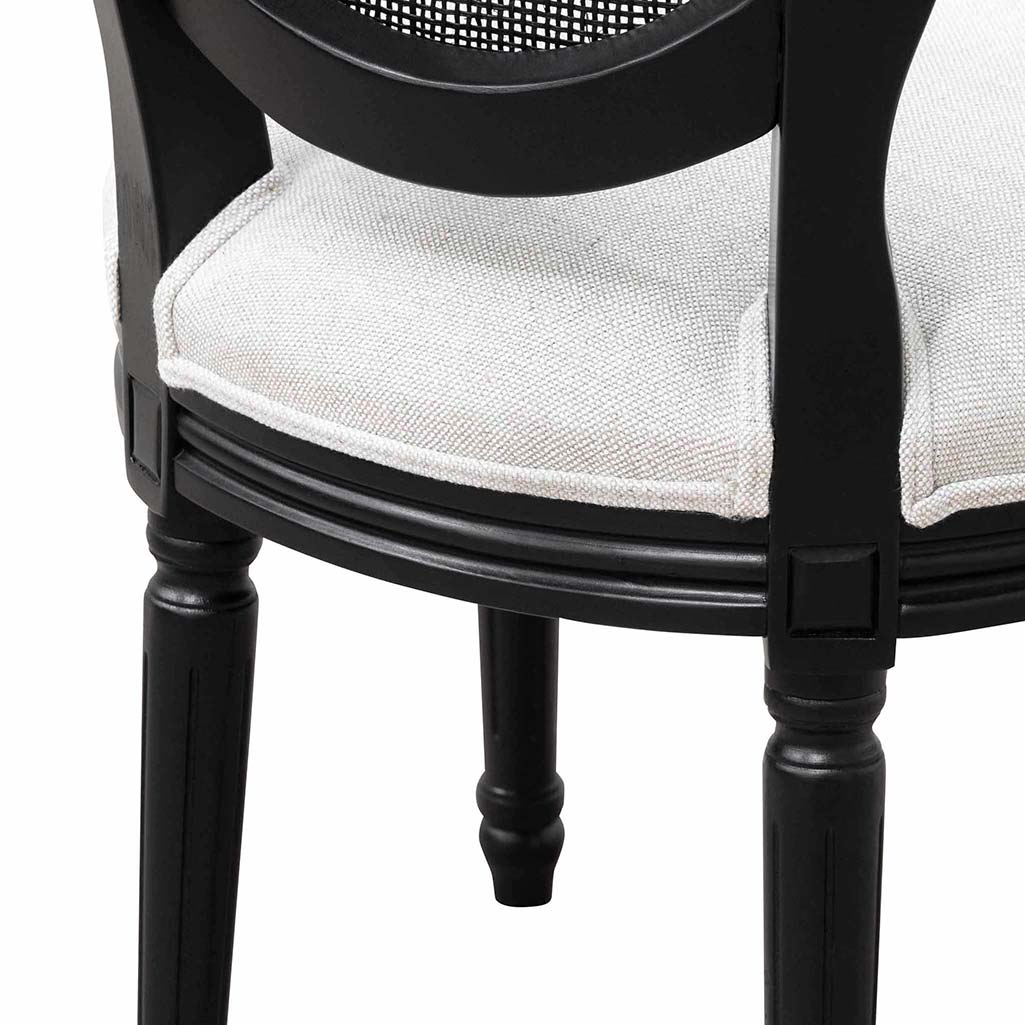




Australian kitchens have changed. They are no longer just places to prepare dinner; they are homework stations, casual dining zones, weekend coffee spots, work from-home corners and entertainment hubs. That shift has put more pressure on one small but highly visible furniture choice: the bar stool.
For years, timber, metal and leather-look stools dominated kitchen islands and breakfast bars. They looked sleek but they could feel hard, noisy or too commercial for homes designed around warmth and comfort. Fabric bar stools are now filling that gap. They bring softness to stone benchtops, texture to neutral kitchens, and comfort to everyday seating.
The trend is also backed by broader home-improvement behaviour. The ABS reported that Australian household spending rose 1.6% month-on-month in March 2026, with furnishings and household equipment also up 1.6% for the month. Renovation activity remains strong too, with HIA noting in late 2025 that renovation lending was almost three times higher than pre-pandemic levels.
The Kitchen Island Has Become the New Dining Zone
The rise of fabric bar stools starts with the way Australians use their kitchens. Open-plan layouts have made the kitchen more visible from the living and dining areas, so every chair, stool, pendant light and surface has to contribute to the overall look of the home.
A kitchen island is no longer just extra bench space. It often works as a casual dining table, prep area, entertaining counter, and social anchor. Houzz Australia describes island seating as a way to instantly turn an island into a bar or separate eating area, showing how central this feature has become in kitchen planning.
That is where fabric stools make sense. A hard stool may be fine for a quick breakfast, but families increasingly use island seating for longer moments: children doing assignments, friends chatting over drinks, or someone answering emails with a coffee. Upholstered seating feels more suitable for these real-life uses.
Fabric Adds Warmth to Stone, Timber and Minimalist Kitchens
Many Australian kitchens use hard, durable materials: engineered stone, porcelain benchtops, tiled splashbacks, timber flooring and sleek cabinetry. These finishes are practical, but they can sometimes make a kitchen feel cold or echoey, especially in open-plan spaces.
Fabric bar stools soften that look without requiring a full renovation. A grey boucle stool can calm a black-and-white kitchen. A beige upholstered stool can warm up a coastal kitchen. A rust, olive, or clay-toned fabric stool can add personality to a neutral palette without overwhelming the room.
Comfort Is Becoming a Bigger Buying Factor
Australians are paying more attention to how furniture feels, not just how it photographs. This is especially true for bar stools because they are used at a higher seating position, often without the same relaxed posture as a dining chair.
Why upholstered stools feel more liveable
Fabric bar stools usually provide a softer seat than timber or metal alternatives. Many designs also include padded backs, armrests, curved seats or swivel bases. These features matter in daily use.
For example, a couple in a Melbourne apartment may use two fabric counter stools at the island instead of a dining table to save space. A family in Brisbane may need stools that are comfortable enough for breakfast, after-school snacks and weekend entertaining. In both cases, comfort becomes part of the buying decision.
Only Dining Chairs’ fabric bar stool collection reflects this demand, with options such as stools with backs, swivel designs, sets of two and classic neutral colours like black, white, grey, and beige.
The Trend Fits Australian Renovation Behaviour
Fabric bar stools are also popular because they offer a high-impact update without the cost of a major kitchen renovation. When homeowners want a fresher look but are not ready to replace cabinetry or benchtops, seating is one of the easiest changes to make.
Why Fabric Bar Stools Work So Well in Australian Interiors
Fabric stools are trending because they suit multiple Australian home styles rather than one narrow aesthetic.
-
Coastal homes: beige, light grey, oatmeal, and natural-look fabric stools pair well with oak, white cabinetry, and stone benchtops.
-
Modern apartments: slim upholstered stools add softness without taking up too much visual space.
-
Family kitchens: padded seats and backs make everyday use more comfortable.
-
Contemporary homes: boucle or textured fabric introduces depth into minimalist spaces.
-
Warm neutral interiors: clay, taupe, olive and charcoal stools add colour in a controlled, sophisticated way.
This flexibility is one reason fabric stools are becoming a go-to choice. They can blend in quietly or become a feature, depending on the colour, frame and shape.
Practical Buying Tips for Fabric Bar Stools
Choosing the right fabric bar stool is not just about colour. The wrong height, shape, or material can make even a beautiful stool frustrating to use.
Before buying, consider:
-
Measure your benchtop height: Most kitchen counters need counter-height stools, while raised bars need taller stools.
-
Leave enough legroom: A comfortable gap between the seat and underside of the bench helps people sit naturally.
-
Choose backs for longer sitting: Backless stools save space, but stools with backs are better for daily use.
-
Think about cleaning: In family homes, darker colours, textured weaves, or stain-resistant fabrics are often more practical.
-
Match the frame to your finishes: Black metal suits modern kitchens, timber adds warmth, and light frames work well in coastal interiors.
-
Buy in pairs where possible: Sets of two create a balanced look and often suit smaller Australian kitchen islands.
Only Dining Chairs lists fabric bar stool options across different styles and prices, with its collection ranging from entry-level sets to higher end upholstered designs.
What This Trend Means for Homeowners and Retailers
For homeowners, fabric bar stools are a smart way to make a kitchen feel more finished. They can connect the kitchen with the living area, add comfort and introduce texture without changing fixed finishes.
For furniture retailers and interior brands the trend shows a shift in how people shop. Customers are not only searching for bar stools they are looking for stools that solve lifestyle problems. They want something comfortable enough for everyday use, stylish enough for open-plan living, and practical enough for Australian family life.
That means product pages should do more than list dimensions. They should explain stool height, fabric care, colour matching, comfort features and which kitchen styles each stool suits. This helps buyers feel confident before they purchase.
Conclusion
Fabric bar stools are trending in Australian homes because they answer a real design problem: modern kitchens need seating that looks refined, feels comfortable, and softens hard architectural finishes. Their popularity is tied to bigger shifts in how Australians renovate, furnish, and live in their homes.
As open-plan kitchens continue to act as social, dining, and work zones, fabric stools are likely to remain a strong choice. They offer the warmth of upholstered furniture with the practicality of everyday kitchen seating. For homeowners they are a simple upgrade with noticeable impact. For retailers, they represent a category where comfort, styling advice and material choice can strongly influence buying decisions.
FAQs
Are fabric bar stools practical for Australian homes?
Yes. They are comfortable, stylish and suitable for everyday kitchen use, especially when you choose durable or easy-clean upholstery.
What colour fabric bar stool is best for a modern kitchen?
Grey, beige, black, and taupe are the safest choices because they work with most benchtops, cabinetry and flooring.
Are fabric bar stools better than leather-look stools?
Fabric stools usually feel softer and warmer, while leather-look stools are often easier to wipe clean. The better choice depends on your lifestyle.
Do fabric bar stools suit small kitchens?
Yes. Choose slim designs, lighter colours or backless stools if you want to keep the space feeling open.
How do I keep fabric bar stools clean?
Vacuum regularly, blot spills quickly and spot-clean with a mild fabric-safe solution. Always follow the manufacturer’s care instructions.