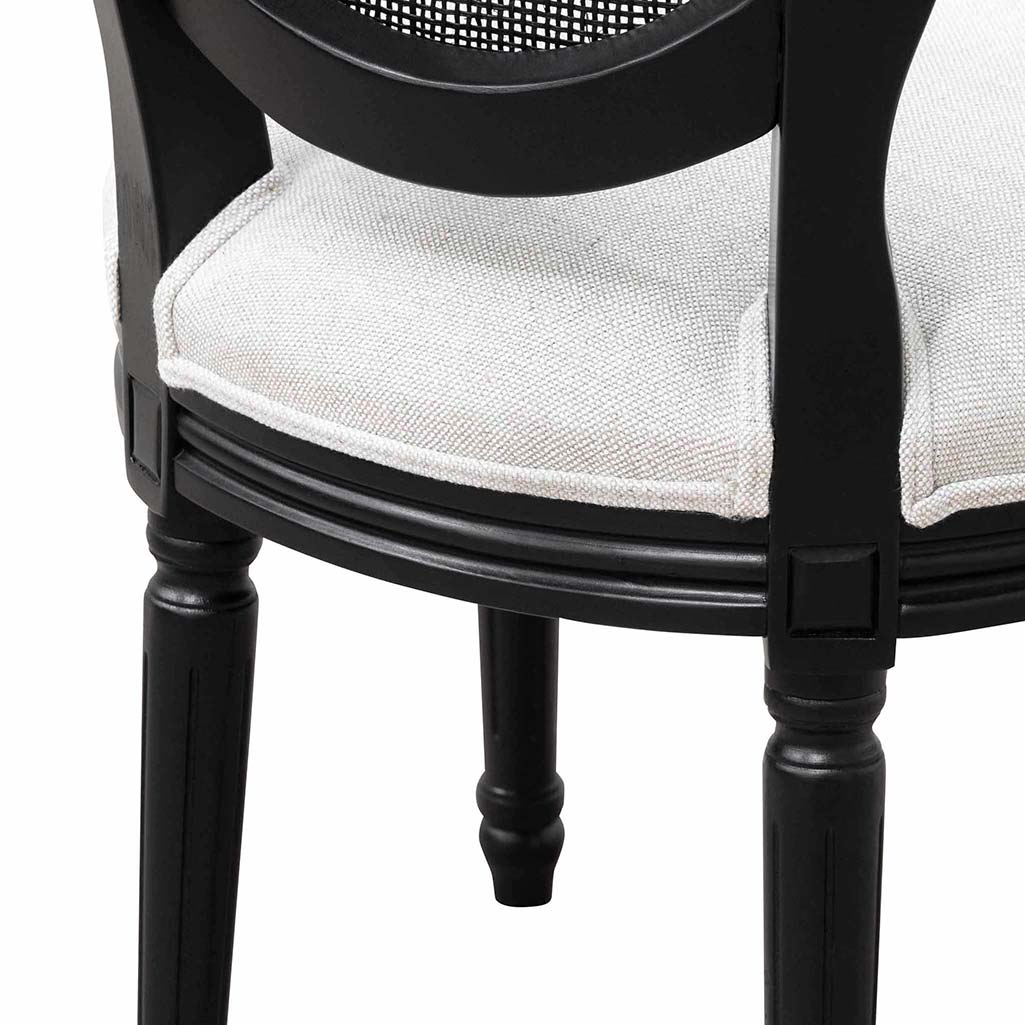




Long family dinners sound wonderful in theory: everyone gathered around the table, food being passed around, stories from the day, children lingering a little longer and guests feeling relaxed rather than rushed. In reality, many dinners end early for one simple reason: the seating is uncomfortable.
A hard dining chair might be fine for a quick breakfast, but it can become distracting during a Sunday roast, birthday dinner, Christmas lunch or extended family gathering. People start shifting, leaning forward, standing up between courses or drifting to the sofa. That matters because the dining table is already competing with busy schedules, screens and casual eating habits. IKEA’s 2026 Australian cooking and eating report found Australians are among the more likely consumers globally to eat dinner on the sofa, while 23% spend less than 19 minutes enjoying their evening meal.
This is where upholstered dining chairs make a real difference. They do more than look elegant. Their padded seats, cushioned backs, fabric textures and softer visual presence help turn the dining area into a place people actually want to stay. For Australian families trying to make mealtimes warmer more comfortable and more connected, the right chair can quietly change the entire experience.
Comfort Matters Because Family Dinners Are More Than Meals
Family dinners are not just about eating. They are often where children practise conversation, parents catch up with teenagers, grandparents share stories, and guests feel included. The Raising Children Network describes family meals as valuable opportunities to connect, communicate and model behaviour such as listening and taking turns.
Research also continues to show a strong link between shared meals and wellbeing. The 2025 World Happiness Report found that sharing more meals with others is associated with higher life evaluations, more positive emotions and lower negative emotions; the relationship was especially strong in Australia and New Zealand.
But families are time-poor. The latest ABS Time Use Survey shows that more than a third of females and 30% of males in Australia often or always feel rushed or pressed for time, with people balancing paid work unpaid domestic work, care and limited free time. When everyone is already tired, the dining environment needs to work harder. A comfortable chair removes one barrier to sitting down together.
Upholstered Dining Chairs Reduce the Hard Seat Problem
The biggest comfort advantage of upholstered dining chairs is pressure relief. A hard timber, plastic or metal chair concentrates body weight on a smaller surface area. Over a long meal, that can create discomfort through the hips, thighs and lower back.
Upholstery changes the way the body meets the chair. A padded seat distributes weight more evenly, while a cushioned back gives people somewhere comfortable to rest between bites. Research on seating comfort has found that cushion contour can affect pressure distribution, and that subjective comfort is linked with pressure measures such as average pressure and mean peak pressure.
Seat Padding Helps Guests Stay Relaxed for Longer
During a long dinner, people do not sit perfectly still. They lean forward to serve food, turn to speak to someone beside them, sit back during conversation, and shift posture between courses. A well-padded dining chair allows those movements without the sharp discomfort that often comes from a rigid seat edge.
This is especially useful for:
-
older family members who need softer support
-
children who wriggle during longer meals
-
guests staying through multiple courses
-
households that use the dining table for homework, work-from-home tasks or board games
The best upholstered dining chairs feel supportive rather than overly soft. They should cushion the body but still hold their shape so people do not sink too low at the table.
A Cushioned Back Supports Conversation, Not Just Posture
Long dinners are rarely spent in a fixed upright position. People naturally lean back when talking, laughing or waiting for the next dish. A padded backrest makes that pause more comfortable.
This matters because discomfort often interrupts conversation. When someone is sitting on a hard, straight-backed chair, they become more aware of the chair than the moment. A cushioned back helps the body relax, making the table feel less formal and more welcoming.
Recent musculoskeletal research also supports the broader idea that seated comfort is influenced by movement and postural shifts. A 2024 study on dynamic seat cushions found that cushioning designed to encourage small postural shifts shortened recovery duration for neck and low-back pain among office workers, although the authors noted limitations around recurrence findings. Dining chairs are not medical devices, but the principle is useful: seating that supports natural movement is more comfortable than seating that forces the body into one rigid position.
Upholstery Makes the Dining Room Feel Warmer and More Inviting
Comfort is not only physical. A dining room also has an emotional feel. Upholstered dining chairs soften the look of the space, making it feel less like a formal eating zone and more like a place to settle in.
In many Australian homes, dining areas sit within open-plan kitchens and living rooms. That means dining furniture has to connect visually with lounges, rugs, curtains and soft furnishings. Upholstered chairs help bridge that gap because fabric feels more relaxed and residential than hard-surface seating.
Only Dining Chairs’ upholstered dining chair collection includes a wide range of colours, styles, sizes and materials, including velvet and suede options, with cushioned seats and backs positioned as key comfort features. This variety matters because families can choose chairs that suit how they actually live: neutral fabrics for everyday flexibility, darker colours for busy households or richer textures for a more formal dining room.
The Right Chair Can Help Bring People Back to the Table
Australian dining habits are changing. Recent reporting on IKEA’s 2026 research noted that only about half of Australian families now eat meals at a dining table, while 30% eat on the sofa and 4% eat in bed. That shift is not only about furniture it is about convenience, fatigue, screens, space and modern routines.
Still, furniture plays a role. If the dining table feels stiff cold or uncomfortable the sofa wins. If the chairs feel supportive, warm and easy to sit in the dining table becomes more appealing.
This is particularly important for families who want to create small but realistic rituals: Friday pizza night, Sunday lunch, device-free dinners twice a week or birthday meals that last beyond dessert. A comfortable dining setup does not force connection but it gives connection a better setting.
Australian family-meal research also suggests that families continue to value shared meals, even as they negotiate time, cost, food preferences and responsibilities. Upholstered chairs support that reality by making the table more comfortable without asking families to overhaul their routines.
What to Look for in Upholstered Dining Chairs for Long Dinners
Not every upholstered chair is equally comfortable. Some look plush but sit too low. Others have attractive fabric but poor back support. Before buying, focus on the details that affect real use.
Key features to check include:
-
Seat height: The chair should allow people to sit comfortably under the table without shoulders lifting or knees feeling cramped.
-
Seat depth: A deeper seat can feel luxurious, but it should still let the user sit back without the front edge pressing behind the knees.
-
Back support: A gently angled or padded back is usually better for lingering than a flat, rigid back.
-
Fabric durability: Busy households should consider tightly woven fabrics, darker tones or textured materials that are more forgiving with everyday use.
-
Frame strength: Comfort is not only about padding; the chair must feel stable when people shift, lean or sit for long periods.
-
Easy maintenance: Removable cushions are helpful, but even fixed upholstery should be easy to vacuum and spot-clean.
For family dining, balance is everything. The chair should feel soft enough for comfort but structured enough for proper dining posture.
Upholstered Chairs Are Practical for Entertaining
Long family dinners often include guests and guests notice comfort quickly. A padded chair helps people feel hosted not just seated.
Think about the difference between a two-hour dinner on a hard café-style chair and the same dinner on a cushioned upholstered chair. The food may be identical, but the experience feels different. Guests linger over coffee. Conversations continue after dessert. Children can sit through a little more of the meal before asking to leave.
For households that entertain regularly, upholstered dining chairs also add polish. They make a dining table look complete, especially when paired with timber, marble, glass or black metal finishes. In open-plan homes, they can visually lift the dining zone without needing a full renovation.
Maintenance Matters: Comfort Should Not Create Stress
One concern families often have is whether upholstered chairs are practical around food. The answer depends on fabric choice and care habits.
For everyday Australian family use, choose upholstery that suits the household, not just the showroom. A pale velvet chair might look beautiful, but a darker woven fabric may be more forgiving in a home with young children. Households that entertain often may prefer textured neutrals because they hide minor marks better than flat, light fabrics.
Simple care habits make a big difference:
-
Vacuum chairs regularly to remove crumbs and dust.
-
Blot spills immediately rather than rubbing them into the fabric.
-
Use fabric protection where suitable for the upholstery type.
-
Rotate chairs occasionally so the same seats are not always used.
-
Keep chairs out of harsh direct sunlight where possible to reduce fading.
Good maintenance keeps the comfort benefit intact. A chair that feels good but becomes stressful to care for will not support relaxed family dining.
Why Upholstered Dining Chairs Suit Modern Australian Homes
Modern Australian homes are flexible. The dining table might be used for dinner, work calls, school assignments, weekend brunch, family games and casual entertaining. That means dining chairs need to do more than match a table they need to support daily life.
Upholstered dining chairs suit this shift because they bring lounge-level comfort into the dining zone without making the space feel too casual. They are especially useful in homes where the dining area is visible from the kitchen or living room, because fabric chairs create a softer transition between functional and relaxed spaces.
They also offer design flexibility. Grey, beige and tan upholstery suits coastal, Hamptons and Scandinavian-inspired interiors. Black or charcoal chairs create a sharper modern look. Velvet can add a more luxurious feel for formal dining rooms or statement apartments. The comfort benefit stays consistent but the style can change with the home.
Common Mistakes to Avoid When Choosing Dining Chairs
The most common mistake is buying purely for appearance. A chair may photograph beautifully but feel uncomfortable after 20 minutes. For long family dinners, comfort needs to be tested through practical questions.
Ask yourself:
-
Can someone sit in this chair through a full meal and conversation?
-
Does the backrest support the body or force people forward?
-
Is the seat wide enough for different body types?
-
Will the fabric suit the way the household eats and entertains?
-
Does the chair slide easily under the table without crowding the room?
Another mistake is choosing chairs that are too bulky. Upholstered chairs are naturally softer and fuller than slim wooden chairs, so measure carefully. Leave enough room for people to pull chairs out, move around the table and sit without elbows colliding.
Conclusion
Upholstered dining chairs add comfort to long family dinners because they solve a problem people feel immediately: hard, unsupportive seating makes meals shorter and less enjoyable. By adding cushioning, back support, warmth and softness, upholstered chairs make the dining table a place where people are more willing to stay.
The value is both physical and social. Comfortable seating supports longer conversations, easier entertaining, more relaxed family rituals and a dining space that feels connected to modern Australian living. As homes continue to become more flexible, the best dining chairs will not simply look good in a room. They will help the room work better for the people using it.
For families who want dinners to feel less rushed and more memorable, upholstered dining chairs are not just a style upgrade. They are a comfort decision that can change the way the whole table feels.
FAQs
Are upholstered dining chairs good for everyday family use?
Yes. Choose durable fabric, supportive padding and a strong frame. Darker or textured fabrics are usually more practical for busy households.
Do upholstered dining chairs make long dinners more comfortable?
Yes. Their padded seats and cushioned backs help reduce the hard-seat discomfort that often appears during longer meals.
What fabric is best for upholstered dining chairs?
For families, tightly woven polyester blends, textured fabrics and darker tones are practical because they are generally easier to maintain and more forgiving with marks.
Are velvet dining chairs suitable for dining rooms?
Yes. Velvet works well when you want a softer, more luxurious look, but it needs regular care and may be better for lower mess households or formal dining areas.
How many upholstered dining chairs should I buy?
Match the number to your table size and leave enough space between chairs. Most family dining tables suit four, six or eight chairs, depending on table length and room layout.