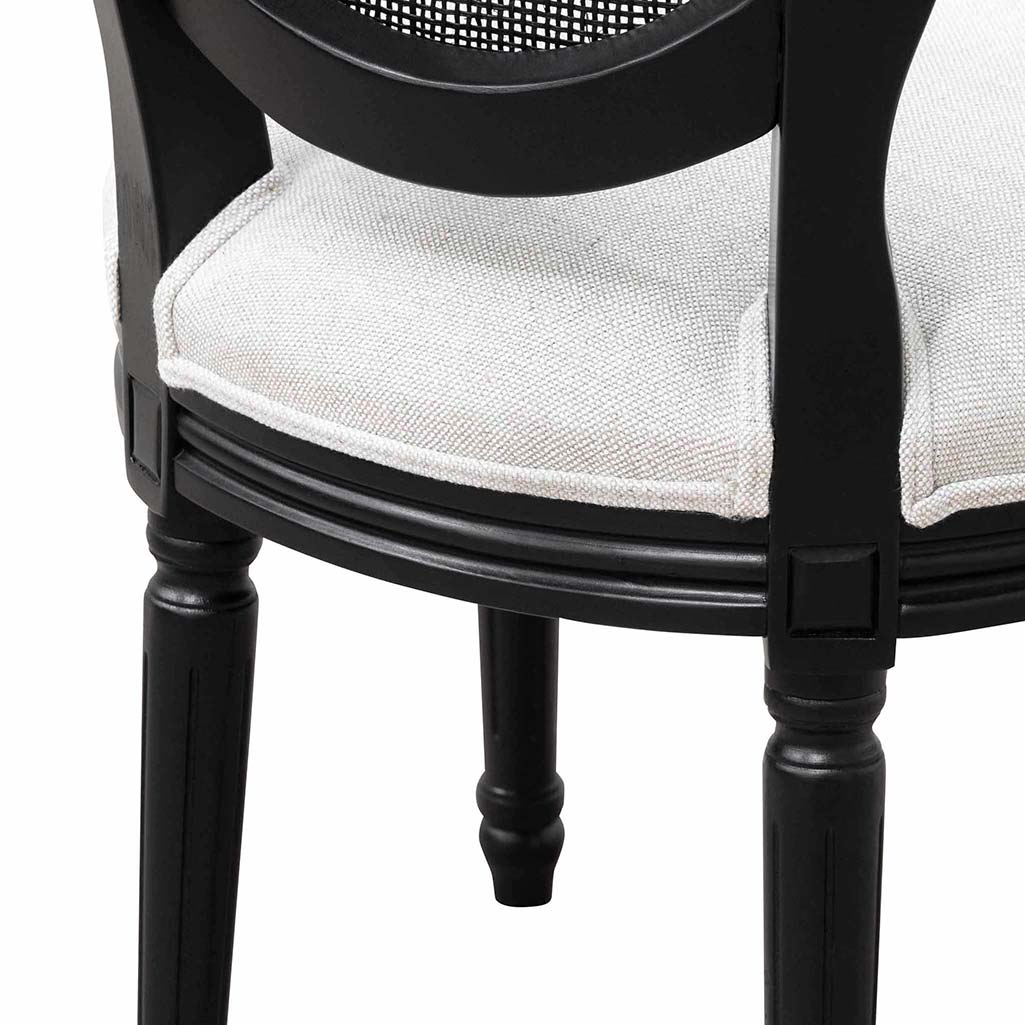




Modern kitchens are no longer just places to cook. In many Australian homes the kitchen island has become the breakfast spot, homework station, coffee counter, entertaining hub and casual dining area all in one. That makes bar stools more important than many homeowners realise.
The wrong stool can make a beautiful kitchen feel awkward too high, too bulky, too cold or simply out of step with the rest of the space. The right wooden bar stool on the other hand, can soften sleek cabinetry add warmth to stone benchtops, and make a kitchen feel more inviting without compromising its clean modern look.
Why Wooden Bar Stools Work So Well in Modern Kitchens
Modern kitchens often feature hard, polished surfaces: stone benchtops, porcelain splashbacks, integrated appliances, flat cabinetry and metal tapware. These finishes look refined, but without texture they can feel a little clinical.
Wooden bar stools solve that problem naturally. Timber introduces grain, warmth, and visual softness. It balances the sharpness of modern joinery and gives the kitchen a more lived-in feel.
Australian design trends are moving in the same direction. The Design Files noted that timber is being used more generously in kitchens, including cabinetry, island benches, floors, ceilings, and furniture. That makes wooden bar stools a smart styling choice because they bring the timber trend into the room without requiring a full renovation.
A wooden stool can also bridge different design elements. For example a natural oak stool can connect timber flooring with a white island, while a walnut stool can add depth to a black or charcoal kitchen. In a minimalist kitchen the stool may be the piece that stops the space from feeling flat.
Start with the Kitchen Style Not Just the Stool Style
A common mistake is choosing bar stools because they look good on their own. In reality, stools need to work with the kitchen’s materials, proportions and mood.
White and Timber Kitchens Need Balance
White kitchens remain popular because they feel bright, clean and timeless. But too much white can look unfinished. Wooden bar stools add contrast without making the space feel heavy.
For a soft modern look, choose light oak, ash, beech, or natural timber finishes. These work especially well with white cabinetry, pale stone benchtops, brushed nickel, and soft neutral flooring.
For a more dramatic look, choose walnut or black-stained timber. This creates stronger contrast and helps anchor an all white island.
Black, Charcoal and Dark Kitchens Need Warmth
Dark kitchens can feel sophisticated, but they need warmth to avoid looking severe. Wooden bar stools are ideal here because they create a natural break against black cabinetry or dark stone.
A walnut stool with a curved seat can make a black kitchen feel luxurious. A lighter timber stool can create a more Scandinavian effect. If the kitchen already has black tapware or black pendant lights, a wooden stool with a black frame can tie everything together without overloading the space.
Coastal and Natural Neutral Kitchens Need Texture
Australian coastal kitchens often use white, cream, beige, soft grey, rattan, stone and pale timber. Bunnings’ natural neutral kitchen guidance highlights matte or satin finishes, warm natural timber and subtle stone surfaces as part of this look.
For this style, wooden bar stools with woven seats, curved backs, or pale timber frames work beautifully. They add texture while keeping the palette relaxed.
Compact Modern Kitchens Need Slim Profiles
In apartments, townhouses and smaller open-plan homes, stools should look light rather than bulky. Backless wooden stools or stools with slim legs can slide under the island and keep walkways clear.
A low-profile stool is also useful when the island faces the living area. It keeps the sightline open and allows the kitchen to feel integrated rather than crowded.
Get the Height and Spacing Right Before You Buy
A stool can look perfect online but feel uncomfortable if the proportions are wrong. Height is the first thing to measure.
In Australia, common ergonomic benchtop heights are around 90cm for kitchen benches and around 100cm for higher bar areas. As a practical guide, a 90cm island usually pairs well with a stool seat height of around 60–68cm, while a 100cm-plus bar bench usually needs a seat height closer to 75cm.
Use these checks before choosing:
-
Allow enough legroom: Aim for about 25–30cm between the stool seat and the underside of the benchtop.
-
Check the seat width: Wider stools feel more comfortable but need more island space.
-
Leave space between stools: Around 150–200mm between stools helps people sit down and move without bumping elbows.
-
Measure the overhang: If the island has little overhang, backless stools may be more practical than deep seats with arms.
-
Consider the walkway: Leave enough room behind the stools so people can pass while someone is seated.
This is especially important in family kitchens, where stools are used several times a day rather than only when guests visit.
Choose the Timber Tone Like a Designer
The best wooden bar stool does not need to match every timber surface in the kitchen. In fact, matching too perfectly can make the space feel forced. A better approach is to coordinate undertones.
Light Timber for Fresh, Airy Kitchens
Light oak, ash, beech and natural wood finishes suit white, cream, pale grey, sage, and soft coastal kitchens. These tones make the space feel open and relaxed.
They also work well where the kitchen already has pale flooring or timber shelving. The stool becomes part of a calm, layered palette rather than a feature that competes for attention.
Walnut and Dark Timber for Sophisticated Contrast
Walnut works beautifully in kitchens with black, navy, charcoal, deep green, or marble-look stone. It brings richness without feeling overly traditional.
A walnut wooden bar stool is especially effective when paired with brass, bronze, or warm metallic hardware. It creates a high-end look while still feeling grounded.
Black Wooden Stools for Minimalist Kitchens
Black timber stools suit monochrome, industrial, and ultra-modern kitchens. They are a good option when you want the warmth of wood but the sharpness of a darker colour.
To avoid a heavy look, choose slim legs, a curved seat, or a design with open space around the backrest.
White or Washed Timber for Coastal Homes
Whitewashed or pale timber stools work well in beachside homes, Hamptons-inspired kitchens, and natural neutral spaces. They feel casual but still polished.
Pair them with woven textures, linen upholstery, light stone, and warm white cabinetry for a relaxed Australian coastal look.
Comfort Features Matter More Than You Think
Bar stools are often chosen for appearance first, but comfort determines whether people actually use them. A stool for a quick coffee does not need the same features as a stool used for long breakfasts, remote work, or evening drinks.
Backless Stools Keep the Kitchen Open
Backless wooden stools are best for compact kitchens, narrow islands, and minimalist interiors. They tuck away neatly and keep the island looking clean.
They are less suited to long sitting sessions, so they work best where the kitchen bench is used casually.
Stools with Backs Are Better for Everyday Seating
If your kitchen island doubles as a dining spot, choose wooden bar stools with backrests. A supportive back makes a big difference for children doing homework, guests staying for drinks, or anyone using the island for longer meals.
Curved backs are especially useful because they add comfort without making the stool look bulky.
Armrests Add Comfort but Need Space
Wooden bar stools with arms feel more like dining chairs. They are comfortable and stylish, but they need more clearance.
Before buying, check whether the arms can fit under the island. If not, the stools may sit too far out and block movement through the kitchen.
Upholstered Seats Add Softness
Wooden stools with fabric, leather, or PU leather seats are ideal when you want warmth and comfort. They also work well in kitchens with many hard materials because they introduce another texture.
For families, easy-clean materials are worth considering. PU leather or wipeable upholstery can be more practical than delicate woven seats in high-use kitchens.
Materials and Finishes That Handle Real Life
A kitchen stool needs to survive shoes on footrests, spills, daily movement, and constant cleaning. Looks matter, but construction matters just as much.
Wooden bar stools may use solid timber, bentwood, timber veneer, plywood, or timber-look components. Each has a place. Solid timber offers durability and character. Bentwood creates elegant curves. Timber-and-metal combinations can suit industrial or contemporary kitchens.
For busy homes, pay attention to:
-
Finish quality: Smooth sealed timber is easier to wipe than raw or heavily textured timber.
-
Footrests: A strong footrest improves comfort and protects the stool frame from awkward pressure.
-
Seat material: Wipeable seats are practical for families and entertainers.
-
Frame strength: Stools used daily should feel stable, not lightweight or wobbly.
-
Warranty and product details: These help indicate whether the stool is designed for regular use.
Sustainability is also becoming more important. In Australia, forest owners and managers can certify forests under FSC or PEFC-recognised Responsible Wood schemes. FSC certification can apply to furniture and a wide range of wood products, while FSC guidance recommends checking supplier certification or product labelling when buying certified products.
Beautiful Colour Pairings for Modern Kitchens
Here are practical pairing ideas that work well in Australian homes:
-
White cabinetry + natural oak stools: Fresh, timeless, and easy to style.
-
Black island + walnut stools: Sophisticated with warmth and depth.
-
Sage green cabinetry + light timber stools: Soft, organic, and modern.
-
Marble-look benchtop + black wooden stools: Crisp, architectural, and elegant.
-
Coastal white kitchen + rattan or pale timber stools: Relaxed and textured.
-
Concrete-look surfaces + warm wood stools: Industrial but still welcoming.
-
Navy cabinetry + tan upholstered wooden stools: Rich, balanced, and inviting.
The key is to repeat the stool tone somewhere else in the space. That could be flooring, shelves, pendant lights, chopping boards, dining chairs, or timber handles. Repetition makes the choice feel intentional.
Common Mistakes to Avoid When Choosing Wooden Bar Stools
The most common mistake is buying stools that are too tall. This makes sitting uncomfortable and can cause knees to hit the benchtop. Always measure before ordering.
Another mistake is choosing stools that are visually too heavy for the island. A large island can handle stools with backs and arms. A small island usually needs slimmer designs.
Homeowners also sometimes ignore the kitchen’s undertone. A very yellow timber stool may clash with cool grey flooring, while a dark walnut stool may feel too heavy in a pale coastal kitchen. Look at the whole palette before deciding.
Finally do not overlook maintenance. If your kitchen is used by children, pets, or frequent guests, choose sealed timber and easy-clean seating rather than delicate materials that require constant care.
How Wooden Bar Stools Add Value Beyond Style
Good stools improve how the kitchen functions. They turn the island into a place where people naturally gather. Parents can cook while children sit nearby. Guests can talk to the host without crowding the cooking zone. Couples can use the island for quick meals instead of setting the dining table every time.
For businesses such as interior designers, stylists, builders, and property renovators, wooden bar stools also help finish a space for photography and inspections. A kitchen without stools can look incomplete. A kitchen with the right stools looks lived-in, functional, and emotionally appealing.
That is why stools should be chosen as part of the overall design, not as an afterthought.
Finding the Right Wooden Bar Stool for Your Kitchen
Only Dining Chairs offers a wooden bar stools collection that includes natural wood, modern wooden, mid-century and backless options, along with styles in black and white finishes. The collection also includes designs with backs, counter stool options, and wooden bar stool sets for different kitchen and home bar layouts.
For a modern kitchen, start by deciding what role the stool needs to play:
For a clean minimalist kitchen, choose a slim backless timber stool.
For a family kitchen, choose a wooden stool with a backrest and easy-clean seat.
For a coastal kitchen, choose natural timber, woven textures or pale finishes.
For a darker contemporary kitchen, choose walnut, black timber or timber with upholstered contrast.
The best choice is the one that suits both the look of the kitchen and the way the household actually uses the space.
Conclusion
Wooden bar stools pair beautifully with modern kitchens because they do something sleek surfaces cannot do on their own: they add warmth, texture, comfort, and human character. In a space filled with cabinetry, stone, appliances, and straight lines, timber seating creates balance.
The most successful choice comes from thinking beyond appearance. Measure the bench height, check spacing, consider comfort, choose the right timber tone, and match the stool to your daily routine. A stool for a compact apartment kitchen will not be the same as one for a large family island or a coastal entertaining space.
As Australian homeowners continue investing in practical, long-lasting renovations, wooden bar stools are likely to remain a strong design choice. They are timeless enough to outlast short trends, versatile enough to suit different kitchen styles, and functional enough to make the kitchen feel like the true centre of the home.
FAQs
What height wooden bar stool is best for a kitchen island?
For most Australian kitchen islands around 90cm high a seat height of about 60–68cm usually works well.
Are wooden bar stools comfortable for everyday use?
Yes, especially if they have a backrest, footrest, and shaped or padded seat. Backless stools are better for short sitting periods.
What timber colour suits a modern white kitchen?
Light oak, ash, beech and natural timber finishes work beautifully with white kitchens because they add warmth without making the space feel heavy.
Are backless wooden bar stools better for small kitchens?
Often, yes. Backless stools tuck under the island, save visual space, and keep walkways clearer.
How many bar stools fit at a kitchen island?
It depends on the island width and stool size. As a guide, allow comfortable spacing between each stool so people can sit and move without crowding.