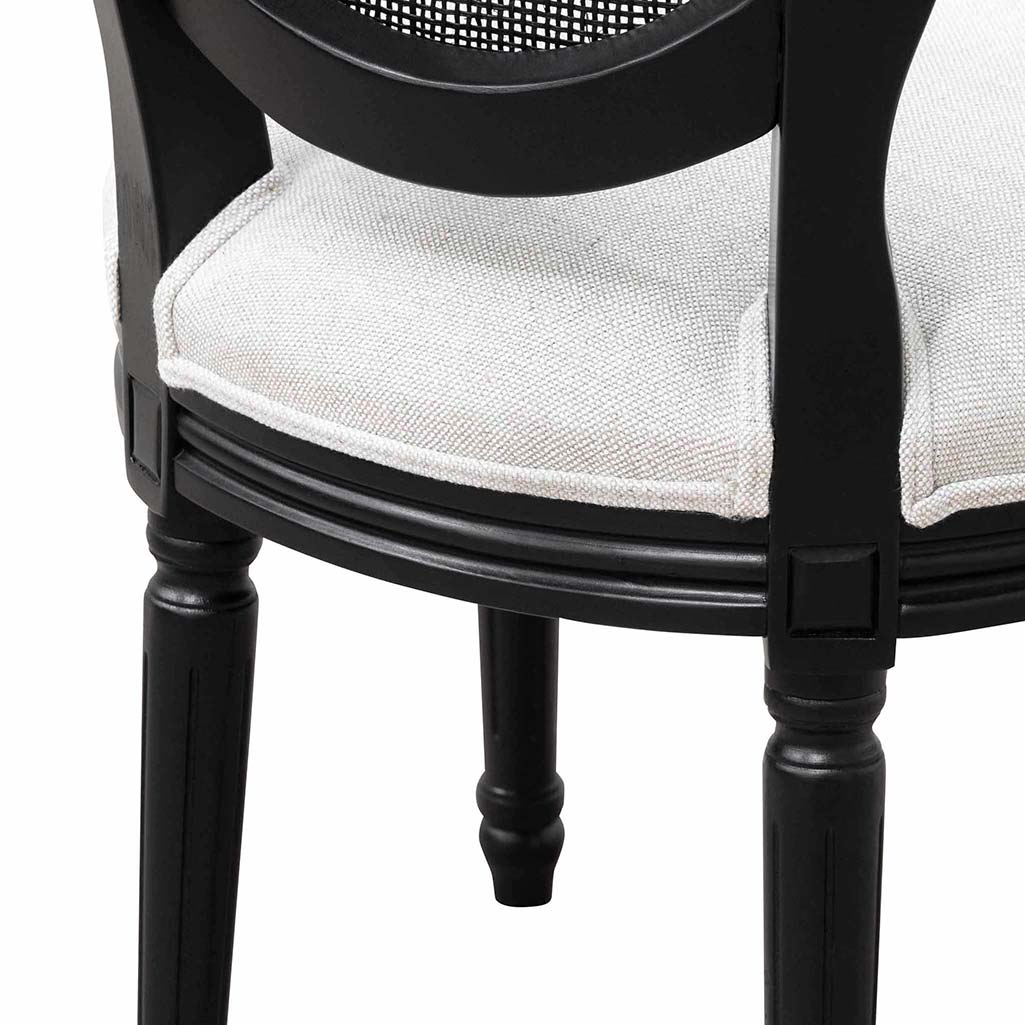




Second-hand dining chairs can be a good way to furnish a first home, stretch a student budget or find timber pieces with character. But a tidy listing photo rarely shows whether a frame is loose, the padding has collapsed or the fabric smells of damp.
The real question is what the chairs will cost, and how well they will work, once they reach your dining room. Before committing, allow time to inspect every chair in the set. Bring a tape measure, a torch and your table measurements, and ask about previous repairs and storage conditions.
Check the Frame Before Anything Else
Start on a firm, level surface. Press gently on the seat and check whether all four feet meet the floor. Move the chair to another position to help distinguish uneven flooring from a problem with the legs. A missing foot pad may be straightforward to replace; a twisted frame needs closer assessment.
Look beyond the wobble
With the chair empty, gently check the backrest, legs and rails beneath the seat for movement. Opening joints, clicking sounds or visible gaps can indicate loose fixings or failed glue joints. Don't assume tightening one screw will cure the problem.
Inspect timber around joints, screw holes and the points where the back meets the seat. Surface scratches are different from splits running through a leg or supporting rail. Avoid sitting on a chair with structural cracks or obvious instability.
Check underneath for repairs and corrosion
With permission, turn the chair over. Look for mismatched screws, extra brackets, glue residue, filled cracks and fresh paint over damaged areas. A previous repair is not automatically a problem, but ask what failed and how it was fixed.
On metal frames, inspect welds, bends and rust around connections. Light surface rust needs assessment; deep pitting, cracked welds or metal flaking near a joint are reasons to walk away. Check for missing bolts, washers, feet and seat fixings, and confirm that suitable replacements are obtainable.
Look Closely at the Seat and Upholstery
Press across the seat, including the front edge. Padding should provide reasonably even support. Hard spots, crumbling foam or a deep hollow suggest replacement work. Look underneath for sagging webbing, broken supports or a cracked seat base; these problems need more than new fabric.
Check high-wear areas around corners and seams for thinning, tears and loose stitching. Compare exposed fabric with tucked-away areas to spot fading. Inspect stains, patch repairs and newly covered sections carefully: a fresh cover does not tell you what condition the padding is in.
Once the structural and hygiene checks are complete, sit for several minutes. Your feet should rest comfortably, the seat edge should not press behind your knees, and the backrest should feel supportive. The upholstered dining chair buying guide can help you compare padding, fabric and proportions. Extensive wear is only worth accepting when the purchase price leaves room for the necessary work.
Check for Moisture, Mould and Persistent Odours
Look underneath the seat and along lower legs for water marks, swollen boards, lifting veneer and suspicious spotting. Ask whether the chairs have been stored in a shed, garage or damp room.
Notice musty, smoky or pet-related smells without putting your face against the upholstery. Strong fragrance may make the underlying condition harder to judge. Don't buy on the assumption that a weekend outdoors will remove an established odour.
Visible mould in upholstery, damp padding or substantial swelling is a good reason to pass. Surface cleaning alone may leave deeper damage unresolved, and replacement materials can erase the savings.
Inspect Seams and Joints for Signs of Pests
Before loading second-hand seating into your car, use a torch around upholstery seams, piping, the seat underside, screw holes, frame joints and narrow cracks. Look for live insects, shed skins and clusters of dark spotting. Marks alone do not confirm an infestation, and an apparently clean surface cannot guarantee the chair is pest-free.
If you see suspicious signs, pause the purchase and seek identification from a qualified pest professional. If the chair has already come home, avoid carrying it between rooms while you check guidance on dealing with bed bugs and arrange appropriate advice. Evidence of active pests is a reason to reject a purchase, rather than add an unplanned treatment job to your furniture budget.
Check Whether Repairs Will Cost More Than the Chair
Work out the total cost before negotiating. Include collection or delivery, replacement hardware, joinery repairs, foam, upholstery fabric, labour and professional cleaning. Multiply the work across the whole set: six tired seats mean six seats to repair.
Ask a repairer or upholsterer for an estimate using clear photographs and measurements, while allowing for problems that may only become visible after dismantling. Clarify whether the quote includes padding and seat supports, or just recovering the fabric.
A simple removable seat pad may be a manageable project for someone with suitable skills. A shaped, fully upholstered chair can involve much more work. Your time, tools and space matter too, especially in a small rental. If the likely total approaches a suitable replacement, the used set needs another strong reason to justify it, such as craftsmanship or a style you particularly value.

Make Sure the Chair Fits Your Dining Table
Measure seat height, overall width, depth and arm height. Then compare those dimensions with your table, including the underside rails or apron. Measuring only the tabletop height can miss the part that actually restricts your thighs.
Check that arms slide beneath the table and that chair legs clear table legs or a central pedestal. Allow elbow room between seats, not simply enough space to squeeze the frames together.
If possible, compare the prospective chair with one you already find comfortable at your table. Padding compresses when you sit, so measurements are a starting point rather than a substitute for trying it.
Also consider the space needed to pull chairs out and walk past seated diners. This is particularly useful in apartment dining areas. For the broader balance of size, materials and appearance, see choosing dining chairs that suit your table.
Consider How Easy the Chair Will Be to Clean
Look for a manufacturer's label or care instructions. An unlabelled fabric can make choosing a cleaning method harder, so seek advice before using water, solvents or a steam cleaner. A removable cover is not necessarily machine washable.
For chairs that pass inspection, plan to clean accessible surfaces before use. Follow material-specific instructions, test suitable products in a hidden area and let any damp surfaces dry fully. Avoid soaking timber joints or padding.
Routine dining chair care, including gentle upholstery vacuuming and prompt attention to spills, helps keep seating presentable. However, cleaning will not restore faded fabric, repair tears or rebuild flattened foam. Budget for those separately.
When Is a Used Dining Chair Not Worth Buying?
Walk away when a chair has:
-
Significant cracks in supporting timber, broken welds or severe wobbling.
-
Major moisture damage, mouldy upholstery or persistent strong smells.
-
Evidence of active pests.
-
Extensive upholstery damage with uncertain repair costs.
-
Essential missing parts that cannot be reliably replaced.
-
A total purchase and repair cost close to or above a suitable replacement.
Minor cosmetic wear can be acceptable if the chair is sound and comfortable. Unexplained movement or damage hidden beneath a cover deserves more caution. If the seller will not allow a reasonable inspection, leave the purchase until you can assess it properly.
Used vs New Dining Chairs: Which Makes More Sense?
Pre-owned dining chairs can suit buyers who enjoy restoration, want an unusual design or find a sound set at a lower upfront price. A few scratches may be an easy compromise when everything else checks out.
New chairs may make more sense when you need matching seating, clearer dimensions and more predictable condition, or have little time for repairs. Compare similar materials and construction when weighing prices. For example, looking at fabric dining chairs can help you assess the alternative to buying and recovering an older upholstered set.
Either way, choose for your table, comfort and budget. Age alone does not determine whether a chair is good value.
Quick Used Dining Chair Inspection Checklist
Before paying, check:
-
Every chair stands evenly and has secure joints.
-
Legs, rails, welds and seat bases are sound.
-
Repairs are explained and hardware is complete.
-
Padding supports you and upholstery wear is acceptable.
-
There are no unresolved damp, odour or pest concerns.
-
Seat height, width and arms suit your table.
-
You can sit comfortably and move around the setting.
-
Cleaning, transport and repair costs fit your budget.
A good second-hand find should still feel worthwhile after inspection. Check the frame, upholstery, cleanliness and dimensions, then price the work realistically. Taking those steps before buying gives you a better chance of bringing home chairs you can comfortably use and enjoy.